Documented design
Define the operating requirements, infrastructure and acceptance checks before choosing the equipment or licenses.
Over 40 Years in BusinessISO 27001 compliantPublic sector: GSA contract holder
Los Angeles 562-298-5000 · Also in Chicagoland & Phoenix · Nationwide multi-site support · Client Support

Inland Empire, served from our Santa Fe Springs office
Microsoft 365 needs an operating owner, not only a subscription. BTI Communications Group, LTD. plans, procures, migrates, configures and supports email, Teams, SharePoint, OneDrive, identity, devices and the security controls around them. The design connects licensing to real roles and workflows, establishes the cutover and recovery plan, and gives your team a documented path for administration after launch. Project-only, co-managed and fully managed scopes can be evaluated.
Distribution, manufacturing, utilities, public agencies and multi-site businesses
Tell us the site or workflow, the current system and the outcome you need. Sales inquiries get a reply within one business day. We establish the appropriate discovery and proposal scope before implementation. Never send passwords, access codes, license keys or other credentials through the public form.
Prefer to talk? Call 323-510-8003.




GSA contract holder (47QTCA21D00BA). CMAS and TESMA contract awardee (California). ISNetworld member. ISO 27001 compliant governance, independently reviewed through the TAG ISO 27001 Compliance Program.
Real BTI clients
These are BTI client reviews, not claims of projects in this service area.
BTI consistently solves IT challenges that our staff doesn't have the skill or time for. Their installation team is excellent and their support always makes sure all of our issues are solved.
BTI has been exactly what our growing company has needed for so long! They provide friendly, professional service and have consistently been willing to go above and beyond to ensure our complete satisfaction.
The entire team at BTI has exceeded my expectations. They took my company to the technology and security level I needed.
BTI Communications Group, LTD. provides Microsoft 365 migration, licensing guidance, security configuration and managed support in Inland Empire. With Over 40 years in business, BTI combines Microsoft administration with network, voice, cybersecurity and governed AI expertise. A readiness review maps users, mailboxes, files, identity, devices and business dependencies before the migration or management proposal is written.
The assessment addresses a defined installation, a problem to fix or an ongoing operational need. Distribution, manufacturing, utilities, public agencies and multi-site businesses are considered through their actual site, information and workflow requirements, not through a generic package.
| Service or system | Scope to confirm before implementation |
|---|---|
| Exchange Online and email migration | Inventory mailboxes, shared mailboxes, aliases, contacts, calendars, mail flow, domain ownership and applications that send email. Stage the move and define reconciliation checks before changing routing. |
| SharePoint, OneDrive and Teams | Choose where team records and personal work files belong. Design permissions, external sharing, ownership, sync behavior and retention with the organization rather than copying an old file-server layout blindly. |
| Entra ID and Intune | Scope authentication, role separation, onboarding, offboarding and device enrollment for the actual licensed features. Conditional Access and device policies are designed around supported clients and recovery needs. |
| Defender, Purview and email security | Review the security and governance capabilities included in the selected licenses. Configure the agreed policies, alerts, administrative roles and escalation path; a subscription name alone does not establish compliance. |
| Teams Phone and Teams Rooms | Assess voice and room requirements alongside networking, devices and licensing. Calling plans, Operator Connect or Direct Routing are evaluated for the actual environment, not assumed interchangeable. |
| Azure, backup and Copilot readiness | Review applications and identity dependencies, test recovery requirements and examine data permissions before AI access expands. Cloud availability, retention and backup recovery are separate design questions. |
From engineering to continuing service
Define the operating requirements, infrastructure and acceptance checks before choosing the equipment or licenses.
Review equipment, labor, licensing, assumptions and exclusions together. Compare the complete scope rather than a headline price.
Test the agreed workflows, train your operators and document the configuration and escalation route.
Map identities, source systems, mail flow, applications, data ownership and the information each role needs. Record unsupported clients, device restrictions and the point at which the client approves the target permission model.
Separate subscriptions, migration tooling, configuration, security work, device enrollment, training and ongoing support. Show which capabilities are already licensed and which need an upgrade, instead of charging for overlapping products without explanation.
Compare the license mix against user roles, security needs and existing purchases. Explain term and renewal responsibilities, included services and exclusions. A readiness review should establish when a migration is appropriate and when cleanup can improve the existing tenant.
Stage a representative pilot, validate content and permissions, agree on the cutover and rollback criteria, then support users through the transition. Reconcile mailboxes, files, application access and device enrollment before retiring the source system.
Manage joiners, movers and leavers, license changes, approved sharing, security alerts and service updates. Document which tasks belong to BTI, your internal IT team, Microsoft or an application vendor, with a clear escalation route.
For an Inland Empire project, start with one building or workflow and identify the standard that should carry across the remaining sites. Confirm which decisions belong to local operations and which belong to central IT, security or purchasing. A network closet, gate or loading area that appears identical on a plan may have different power, signaling, carrier or approval conditions. The proposal records those differences and prices the necessary work. Geographic service coverage does not establish an on-site arrival guarantee, a dedicated local office or an unlimited after-hours service commitment.
| Buyer intent | How it enters the plan |
|---|---|
| New installation | Define the required result, system boundaries, site or data access, implementation plan and acceptance tests before purchasing. |
| Repair and service | Identify the actual fault, affected workflow and support status before proposing a replacement. |
| Maintenance | Agree on checks, configuration records, user or device changes, renewal ownership and corrective work in the service scope. |
| Upgrade | Review compatibility, lifecycle, capacity, security and migration requirements; retain equipment or configuration that remains suitable. |
| Takeover or switching provider | Confirm ownership, access, documentation, existing agreements and provider release requirements before changing operational responsibility. |
| Monitoring and management | Specify the alerts, operational owner, escalation, reporting and change approval included. Technical monitoring is not an unlimited response or arrival guarantee. |
Calls are taken in real time, and client emails get a reply within 15 minutes. Client alerts are triaged in real time by enterprise-grade AI agents, then escalated to human engineers in the 24/7 NOC/SOC.
| Approach | When it fits | What to compare |
|---|---|---|
| Migration project | Move email or files, consolidate tenants or replace an unsupported platform. | Discovery, pilot, cutover, validation, training and source-system retirement criteria. |
| Tenant cleanup and security project | The service is live but roles, permissions, devices or licensing are inconsistent. | Prioritized remediation, approved configuration changes and documented ownership. |
| Managed or co-managed Microsoft 365 | Daily administration and security need a continuing owner. | Service responsibilities, escalation, license review and ongoing change management. |
The quote identifies one-time work, recurring services, subscriptions, retained equipment, assumptions, exclusions and third-party responsibilities. A repair, phased upgrade and replacement should be compared against the same accepted outcome, not only an equipment price. Final cost follows discovery.
100% financing for parts, labor and licensing at 3.99% for five years. Financing and the itemized scope can be reviewed with your consultation.
The review starts with tenant and domain ownership, administrative recovery, user roles, mailbox and file volumes, applications, identity synchronization, devices and licensing. A representative pilot should include the difficult cases: a shared mailbox, a large library, an external collaborator and a business application that sends email. Acceptance checks reconcile content, test permissions and sharing, validate sign-in and device access, and confirm the recovery process. An old server is not retired because the copy job completed; the agreed checks and retention obligations must be satisfied first.
Microsoft operates the cloud service, while your organization still needs to decide how it governs access, retains records and recovers from mistakes or malicious change. Version history and recycle bins are not interchangeable with every backup requirement. BTI reviews recovery objectives and the chosen protection service, then tests representative recovery with the client. Retention, legal hold and backup policies are agreed separately. Compliance controls depend on licensing, configuration, operating practices and the governing requirements; no tenant is described as compliant merely because it uses Microsoft 365.
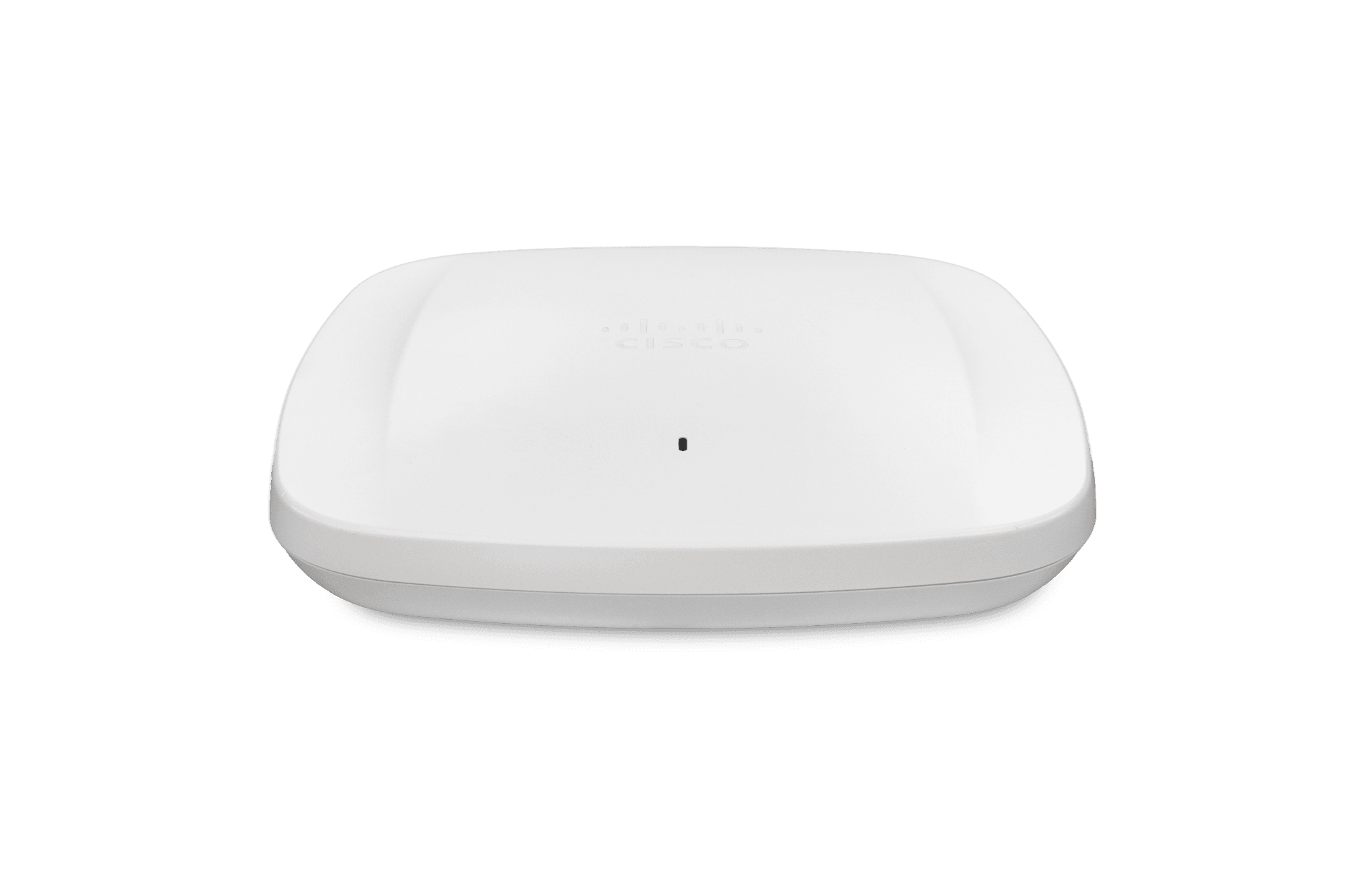
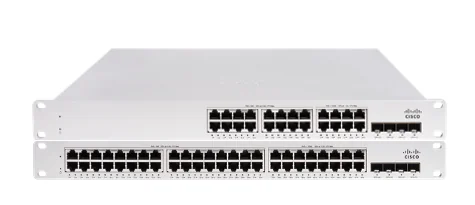
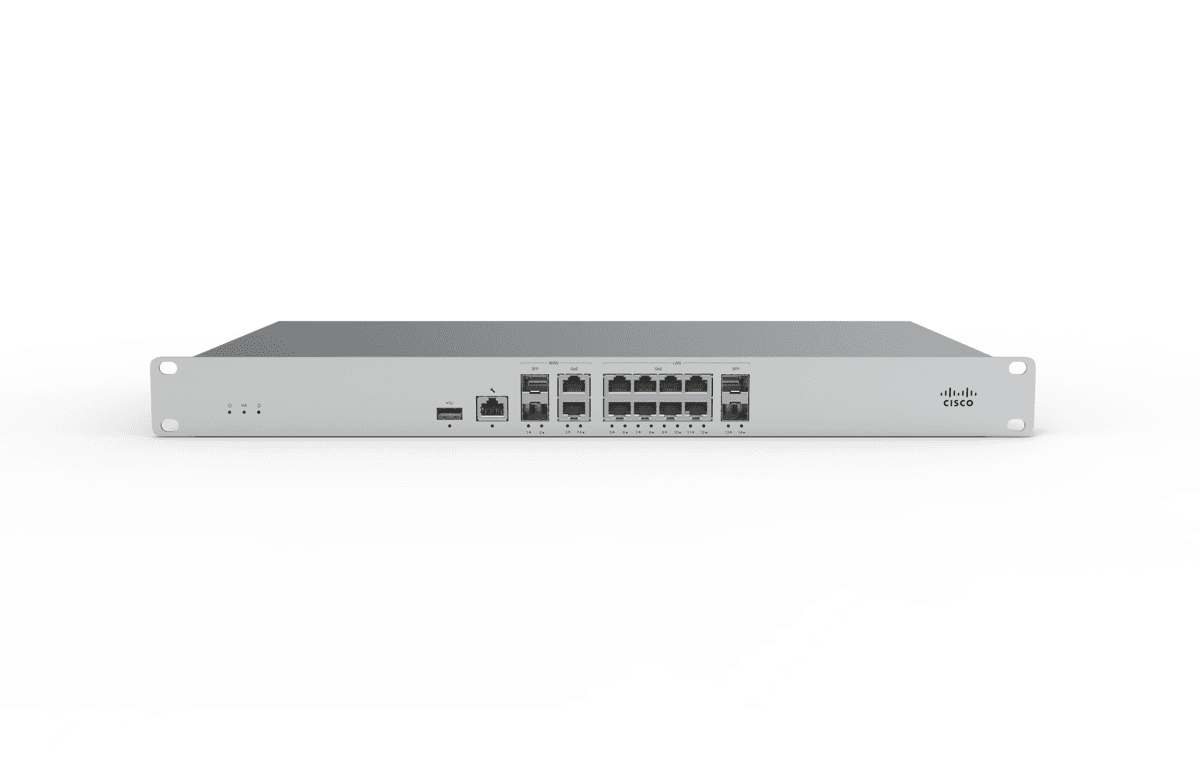
Operational continuity, shift handoffs and documented responsibilities.
Approved access, privacy and user workflows.
Procurement, retention and acceptance requirements defined by the organization.
Riverside and San Bernardino counties contain very different operating environments. A staffed Riverside office, an Ontario distribution building and a remote utility yard need different plans for access, connectivity and on-site service. For facilities along I-10, I-15, SR-60 and I-215, the building layout and operating shifts matter more than a countywide service label. Record escort requirements, active loading areas, high work, available circuits and the owner of every dependency before committing to a cutover. A remote change and a physical installation have different access requirements.
The scenarios below are practical design considerations, not claims of named customers, completed local installations or measured savings.
Ontario and Fontana facilities can combine office staff, receiving, dispatch and shift-based work. Inventory shared mailboxes, business notifications, devices and the people responsible for each queue. Review whether scanner or label applications send email through an older method before changing authentication. The design should preserve an accountable user and access model rather than turning a departmental workflow into an untracked shared administrator account.
A Corona plant and Riverside head office may hold different versions of operational records. Establish the authoritative location, data owner and approved recipients before moving everything into OneDrive or Teams. Review file paths, library permissions, sync limits and legacy application dependencies. Production systems stay under their authorized owner; a Microsoft file migration is not assumed to modify an equipment vendor's supported environment.
A public agency, medical group or nonprofit in Riverside or San Bernardino counties may have a defined retention or procurement framework. Collect those requirements and the current license entitlements before proposing a security bundle. Do not translate a product marketing label into a claim of compliance. The scoped work identifies how identity, devices, sharing, logging, recovery and user training support the organization's documented responsibilities.
Use a pilot spanning an office employee, an approved departmental mailbox and a representative operating-site device. Validate routing and notifications, content reconciliation, permissions, mobile access and recovery before changing all locations. Where a smaller site relies on limited connectivity, plan data movement and the user-support window explicitly. The number of warehouses or county names does not establish a migration duration or a guaranteed interruption-free cutover.
Where we work: Ontario, Rancho Cucamonga, Fontana, Rialto, San Bernardino, Redlands, Chino, Chino Hills, Riverside, Corona, Norco, Eastvale, Jurupa Valley, Moreno Valley, Perris, Menifee, Murrieta and Temecula.
BTI Communications Group, LTD., 12155 Mora Dr, Units 1 & 2, Santa Fe Springs, CA 90670. This is the servicing office in Santa Fe Springs, not an office in Inland Empire.
The service agreement identifies the systems managed, named responsibilities, authorized changes, escalation and the boundary between remote work and an on-site visit. Sales inquiries get a reply within one business day; existing-client support uses the real-time call and 15-minute email commitments described above.
BTI Communications Group, LTD. serves Southern California from our Santa Fe Springs office. Pick your region for local services.
Los Angeles County businesses.
Orange County businesses, served from Santa Fe Springs.
Irvine Spectrum, Irvine Business Complex and UCI area businesses, served from Santa Fe Springs.
Riverside and San Bernardino County businesses, served from Santa Fe Springs.
Burbank, Glendale, the Valley, Santa Clarita and Antelope Valley businesses, served from Santa Fe Springs.
Thousand Oaks, Simi Valley, Camarillo, Oxnard and Ventura businesses, served from Santa Fe Springs.
Long Beach, Carson, Compton, Downey, Norwalk and Cerritos businesses, served from Santa Fe Springs.
Pasadena, Alhambra, El Monte, West Covina, City of Industry and Pomona businesses, served from Santa Fe Springs.
Torrance, El Segundo, Gardena, Hawthorne, Redondo Beach and San Pedro businesses, served from Santa Fe Springs.
Over 40 years of IT, security and communications work. Call 562-298-5070 for security or 323-510-8003 for IT, or book a free consultation.
Get a free consultationBTI assesses the source platform, mailboxes, files, identity and application dependencies, then scopes a supported migration with a pilot, cutover plan, validation and user support.
Not necessarily. BTI reviews current subscriptions, user roles and the security or management capabilities required. The proposal identifies existing entitlements, gaps, terms and renewal ownership.
Yes, subject to an onboarding review of ownership, administration, recovery access, identity, security settings and existing agreements. Urgent risks and longer-term cleanup are documented separately.
Not automatically. Availability, retention, version history and backup recovery have different purposes. BTI reviews the recovery requirements and the selected protection service, including representative restore tests.
Teams Phone can be evaluated with the voice requirements, network, devices, carrier options and licensing. Number portability, emergency calling and any analog devices are checked before the cutover plan.
BTI can scope permissions, data ownership, sharing, identity and governance work before a Copilot pilot. AI access should follow approved information boundaries and licensing, not bypass them.
Yes. A co-managed scope defines who handles users, licenses, devices, security changes, recovery and escalation. The responsibility matrix is agreed before service begins.
BTI serves Inland Empire from its Santa Fe Springs office. The proposal defines remote and on-site responsibilities, access and implementation windows for the actual system or workflow. No arrival-time guarantee is implied by the service area.
Start with the business outcome, the current inventory or workflow, the known problems and the authorized decision owner. Local discovery addresses site access, operating shifts, connectivity and multi-site responsibilities before an itemized proposal.
BTI offers 100% financing for parts, labor and licensing at 3.99% for five years. Project-only, co-managed or fully managed scopes are evaluated for the actual system; the proposal identifies ongoing responsibilities. Calls are taken in real time, and client emails get a reply within 15 minutes.
Bring the current system or workflow, your operating constraints and the outcome that would make the project worthwhile. BTI will establish the discovery needed to design, itemize, implement and support the agreed result. No credentials are needed in the public form.
Your next step
Bring your current inventory, site plans and the problem you want solved. Review the design, itemized proposal, installation and support scope with BTI Communications Group, LTD.
100% financing for parts, labor and licensing at 3.99% for five years.