Documented design
Define the operating requirements, infrastructure and acceptance checks before choosing the equipment or licenses.
Over 40 Years in BusinessISO 27001 compliantPublic sector: GSA contract holder
Los Angeles 562-298-5000 · Also in Chicagoland & Phoenix · Nationwide multi-site support · Client Support
Inland Empire, served from our Santa Fe Springs office
The phone system has to follow your callers, staff and escalation rules, not just ring a new handset.
Distribution, manufacturing, utilities, public agencies and multi-site businesses
Tell us the site or workflow, the current system and the outcome you need. Sales inquiries get a reply within one business day. We establish the appropriate discovery and proposal scope before implementation. Never send passwords, access codes, license keys or other credentials through the public form.
Prefer to talk? Call 323-510-8003.




GSA contract holder (47QTCA21D00BA). CMAS and TESMA contract awardee (California). ISNetworld member. ISO 27001 compliant governance, independently reviewed through the TAG ISO 27001 Compliance Program.
Real BTI clients
These are BTI client reviews, not claims of projects in this service area.
BTI consistently solves IT challenges that our staff doesn't have the skill or time for. Their installation team is excellent and their support always makes sure all of our issues are solved.
BTI has been exactly what our growing company has needed for so long! They provide friendly, professional service and have consistently been willing to go above and beyond to ensure our complete satisfaction.
The entire team at BTI has exceeded my expectations. They took my company to the technology and security level I needed.
BTI Communications Group, LTD. designs call flows, reviews bills and licenses, sources carrier and platform options, installs and configures the system, coordinates number porting and trains users. Voice engineering is connected to the switches, Wi-Fi, internet and security controls carrying each call, with one support plan for the agreed environment.
BTI Communications Group, LTD. designs, sells, installs, upgrades and supports business VoIP, unified communications and contact-center solutions in Inland Empire. BTI evaluates Teams Phone, GoodPhone, supported cloud platforms, carrier services and existing-system options against actual requirements. Over 40 years of communications, networking and IT experience supports a documented plan for call routing, portability, quality, training and ongoing administration.
The assessment addresses a defined installation, a problem to fix or an ongoing operational need. Distribution, manufacturing, utilities, public agencies and multi-site businesses are considered through their actual site, information and workflow requirements, not through a generic package.
From engineering to continuing service
Define the operating requirements, infrastructure and acceptance checks before choosing the equipment or licenses.
Review equipment, labor, licensing, assumptions and exclusions together. Compare the complete scope rather than a headline price.
Test the agreed workflows, train your operators and document the configuration and escalation route.
| Service or system | Scope to confirm before implementation |
|---|---|
| Teams Phone and Microsoft integration | Assess Operator Connect or Direct Routing, user licensing, numbers, devices and administration. Coordinate identity and network readiness with the call-flow and carrier plan. |
| GoodPhone and cloud calling | Compare desk phones, softphones and mobile use, auto attendants, ring groups, voicemail, business hours and overflow paths. The proposal identifies the platform and features actually included. |
| Contact centers and customer workflows | Define queues, routing, supervisor visibility, reporting and approved integrations. Establish the call ownership and human handoff before enabling automation, recording or transcription. |
| Carrier sourcing, circuits and porting | Review the existing number and circuit inventory, invoices, account ownership and migration dependencies. Carrier validation and portability checks precede the confirmed cutover date. |
| Network quality and connected systems | Review PoE, VLANs, QoS, Wi-Fi, internet, failover, paging, intercom and analog requirements. A cloud platform does not repair a cabling fault or provide power during an outage. |
| Support, renewals and existing systems | Document administrative access, configurations, carrier contacts, software support status and escalation. Evaluate supported repair or takeover options before assuming a full replacement is required. |
Map how calls reach the organization, including every published number, queue, transfer, overflow, voicemail and after-hours path. Identify remote users, emergency-location requirements and the devices that cannot be treated as ordinary extensions.
Separate platform and calling subscriptions, handsets, headsets, installation, cabling, carrier work, porting, training and support. Identify optional contact-center and automation functions, existing commitments and renewal responsibilities.
Review actual invoices, licenses and the current configuration together. Explain whether the problem is a missing feature, an unused entitlement, the call flow or the network before recommending a different platform.
Stage the system, verify network readiness and test representative call paths before the customer-facing numbers move. Coordinate the carrier-confirmed port, train staff, and test inbound, outbound, transfer, voicemail and overflow behavior.
Keep call flows, user changes, licenses, device settings and carrier escalation records current. Diagnose whether a fault belongs to the handset, network, platform, internet provider or carrier rather than sending the client between uncoordinated vendors.
For an Inland Empire project, start with one building or workflow and identify the standard that should carry across the remaining sites. Confirm which decisions belong to local operations and which belong to central IT, security or purchasing. A network closet, gate or loading area that appears identical on a plan may have different power, signaling, carrier or approval conditions. The proposal records those differences and prices the necessary work. Geographic service coverage does not establish an on-site arrival guarantee, a dedicated local office or an unlimited after-hours service commitment.
| Buyer intent | How it enters the plan |
|---|---|
| New installation | Define the required result, system boundaries, site or data access, implementation plan and acceptance tests before purchasing. |
| Repair and service | Identify the actual fault, affected workflow and support status before proposing a replacement. |
| Maintenance | Agree on checks, configuration records, user or device changes, renewal ownership and corrective work in the service scope. |
| Upgrade | Review compatibility, lifecycle, capacity, security and migration requirements; retain equipment or configuration that remains suitable. |
| Takeover or switching provider | Confirm ownership, access, documentation, existing agreements and provider release requirements before changing operational responsibility. |
| Monitoring and management | Specify the alerts, operational owner, escalation, reporting and change approval included. Technical monitoring is not an unlimited response or arrival guarantee. |
Calls are taken in real time, and client emails get a reply within 15 minutes. Client alerts are triaged in real time by enterprise-grade AI agents, then escalated to human engineers in the 24/7 NOC/SOC.
| Approach | When it fits | What to compare |
|---|---|---|
| Supported system repair or cleanup | Current equipment can meet requirements but configuration or network quality is poor. | Fault diagnosis, call-flow corrections, documentation and a support plan. |
| Cloud or Teams Phone migration | Mobility, collaboration or platform lifecycle makes a change appropriate. | Readiness, licensing, device plan, carrier coordination, porting and user training. |
| Contact-center or automation project | The business needs better routing, visibility or a governed automated handoff. | Workflow design, reporting, integration, permissions and representative scenario tests. |
The quote identifies one-time work, recurring services, subscriptions, retained equipment, assumptions, exclusions and third-party responsibilities. A repair, phased upgrade and replacement should be compared against the same accepted outcome, not only an equipment price. Final cost follows discovery.
100% financing for parts, labor and licensing at 3.99% for five years. Financing and the itemized scope can be reviewed with your consultation.
Inventory local, toll-free, fax and other published numbers and confirm account ownership and portability. Do not cancel the existing carrier service before the agreed migration and validation steps. Identify elevator, alarm, fax, door and other analog devices for separate review with their responsible provider; they may not be suitable for an ordinary VoIP adapter. Emergency calling locations, user movement and any multi-site requirements must be configured and validated for the selected service with the responsible parties. Carrier timing is confirmed through its process, not promised from a generic installation estimate.
Test what happens when a queue is unanswered, a mobile user is unavailable, the internet circuit fails or the main office loses power. Agree which paths depend on the carrier, the cloud platform and local network equipment. Recording and transcription need an approved notice, access and retention policy appropriate to the organization and applicable requirements. An AI receptionist must have a bounded role and a clear human escalation path; it should not invent pricing, commit the business to terms or substitute for an emergency service.
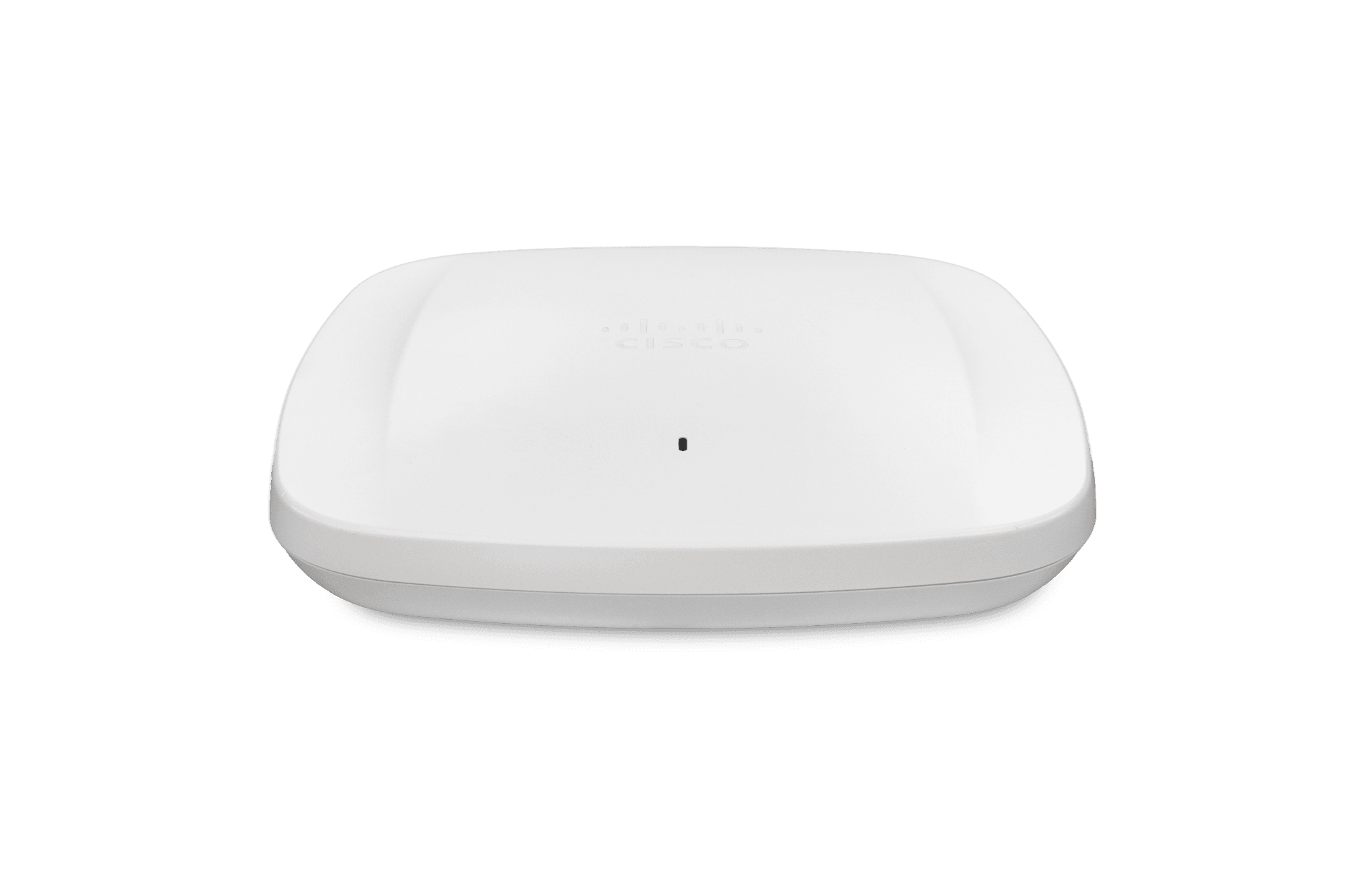
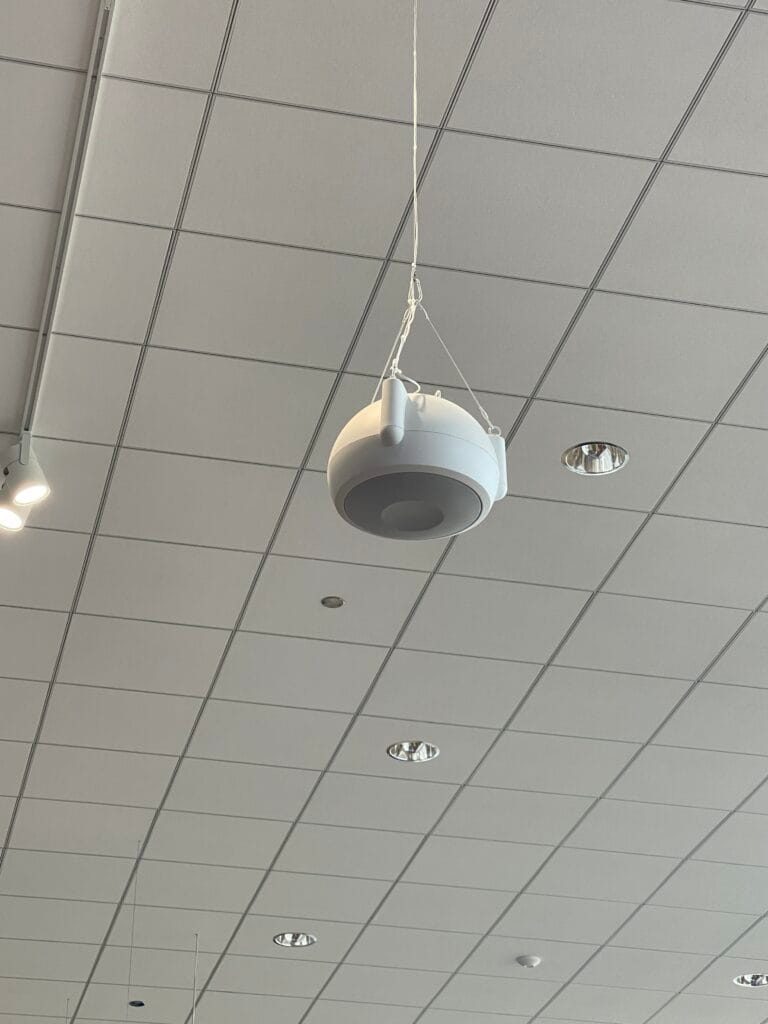
Operational continuity, shift handoffs and documented responsibilities.
Approved access, privacy and user workflows.
Procurement, retention and acceptance requirements defined by the organization.
Riverside and San Bernardino counties contain very different operating environments. A staffed Riverside office, an Ontario distribution building and a remote utility yard need different plans for access, connectivity and on-site service. For facilities along I-10, I-15, SR-60 and I-215, the building layout and operating shifts matter more than a countywide service label. Record escort requirements, active loading areas, high work, available circuits and the owner of every dependency before committing to a cutover. A remote change and a physical installation have different access requirements.
The scenarios below are practical design considerations, not claims of named customers, completed local installations or measured savings.
An Ontario or Fontana distribution site may need separate sales, receiving and dispatch queues, plus an overflow route when staff are on the dock. Walk through who answers each number and what happens when nobody can. Identify mobile users and shared work positions without assuming every worker needs the same paid seat. The design tests the call path and the staff handoff, not simply the number of handsets installed.
For a Corona manufacturer or Chino warehouse, examine racking, noise, roaming paths, paging and any supported intercom interface. Desk-phone performance in an office does not establish voice quality along a loading aisle or outdoors. Check the network and PoE design, then validate representative devices where they will operate. Changes to operational communications are coordinated with the responsible facilities or production owner.
A business with a Riverside office and Temecula or San Bernardino branches needs an accurate inventory of numbers, carriers, addresses and service owners. Document central routing, local emergency-location requirements and the approved fallback for a failed circuit. Review existing agreements before the proposed migration. A new cloud platform does not make the local internet provider, power supply or legacy analog requirement disappear.
Test a call to receiving, a transfer to an unavailable person, an overflow queue and the after-hours route. Validate mobile or wireless use along an agreed work route and confirm the carrier-approved number migration with the client. Record any dependency on paging equipment, a third-party adapter or a backup circuit. No standard cutover duration, savings percentage or guaranteed call quality is advertised without the actual scoped design.
Where we work: Ontario, Rancho Cucamonga, Fontana, Rialto, San Bernardino, Redlands, Chino, Chino Hills, Riverside, Corona, Norco, Eastvale, Jurupa Valley, Moreno Valley, Perris, Menifee, Murrieta and Temecula.
BTI Communications Group, LTD., 12155 Mora Dr, Units 1 & 2, Santa Fe Springs, CA 90670. This is the servicing office in Santa Fe Springs, not an office in Inland Empire.
The service agreement identifies the systems managed, named responsibilities, authorized changes, escalation and the boundary between remote work and an on-site visit. Sales inquiries get a reply within one business day; existing-client support uses the real-time call and 15-minute email commitments described above.
BTI Communications Group, LTD. serves Southern California from our Santa Fe Springs office. Pick your region for local services.
Los Angeles County businesses.
Orange County businesses, served from Santa Fe Springs.
Irvine Spectrum, Irvine Business Complex and UCI area businesses, served from Santa Fe Springs.
Riverside and San Bernardino County businesses, served from Santa Fe Springs.
Burbank, Glendale, the Valley, Santa Clarita and Antelope Valley businesses, served from Santa Fe Springs.
Thousand Oaks, Simi Valley, Camarillo, Oxnard and Ventura businesses, served from Santa Fe Springs.
Long Beach, Carson, Compton, Downey, Norwalk and Cerritos businesses, served from Santa Fe Springs.
Pasadena, Alhambra, El Monte, West Covina, City of Industry and Pomona businesses, served from Santa Fe Springs.
Torrance, El Segundo, Gardena, Hawthorne, Redondo Beach and San Pedro businesses, served from Santa Fe Springs.
Over 40 years of IT, security and communications work. Call 562-298-5070 for security or 323-510-8003 for IT, or book a free consultation.
Get a free consultationBTI reviews portability, account ownership and the carrier process before confirming the migration plan. Existing service should not be canceled until the agreed port and call-path checks are complete.
Possibly. BTI assesses the handsets, cabling, switches, Wi-Fi, internet, QoS and platform configuration. The recommendation follows the fault and the support status of the existing system.
BTI evaluates Teams Phone, GoodPhone and supported cloud calling options against the actual user, carrier, device and integration requirements. The quote names the platform and functions included.
BTI can scope the connected communication and network systems in one plan. Paging, intercom and analog interfaces need compatibility checks and clearly assigned responsibilities.
Timing depends on carrier validation, number type, account details and the migration process. BTI coordinates the request and planned cutover but does not promise a generic carrier completion time.
A governed workflow can be evaluated for intake, routing and a defined human handoff. Permissions, recording policy, reporting and exception scenarios are established before launch.
BTI reviews platform and hardware support status, configuration access, licensing, carrier ownership and existing agreements before defining a repair, takeover or migration scope.
BTI serves Inland Empire from its Santa Fe Springs office. The proposal defines remote and on-site responsibilities, access and implementation windows for the actual system or workflow. No arrival-time guarantee is implied by the service area.
Start with the business outcome, the current inventory or workflow, the known problems and the authorized decision owner. Local discovery addresses site access, operating shifts, connectivity and multi-site responsibilities before an itemized proposal.
BTI offers 100% financing for parts, labor and licensing at 3.99% for five years. Project-only, co-managed or fully managed scopes are evaluated for the actual system; the proposal identifies ongoing responsibilities. Calls are taken in real time, and client emails get a reply within 15 minutes.
Bring the current system or workflow, your operating constraints and the outcome that would make the project worthwhile. BTI will establish the discovery needed to design, itemize, implement and support the agreed result. No credentials are needed in the public form.
Your next step
Bring your current inventory, site plans and the problem you want solved. Review the design, itemized proposal, installation and support scope with BTI Communications Group, LTD.
100% financing for parts, labor and licensing at 3.99% for five years.