Documented design
Define the operating requirements, infrastructure and acceptance checks before choosing the equipment or licenses.
Over 40 Years in BusinessISO 27001 compliantPublic sector: GSA contract holder
Los Angeles 562-298-5000 · Also in Chicagoland & Phoenix · Nationwide multi-site support · Client Support

Orange County, served from our Santa Fe Springs office
A useful commercial alarm follows the way your building opens, works and closes.
Medical organizations, aerospace suppliers, distribution and manufacturing
Tell us the site or workflow, the current system and the outcome you need. Sales inquiries get a reply within one business day. We establish the appropriate discovery and proposal scope before implementation. Never send passwords, access codes, license keys or other credentials through the public form.
Prefer to talk? Call 562-298-5070.




GSA contract holder (47QTCA21D00BA). CMAS and TESMA contract awardee (California). ISNetworld member. ISO 27001 compliant governance, independently reviewed through the TAG ISO 27001 Compliance Program.
Real BTI clients
These are BTI client reviews, not claims of projects in this service area.
BTI consistently solves IT challenges that our staff doesn't have the skill or time for. Their installation team is excellent and their support always makes sure all of our issues are solved.
BTI has been exactly what our growing company has needed for so long! They provide friendly, professional service and have consistently been willing to go above and beyond to ensure our complete satisfaction.
The entire team at BTI has exceeded my expectations. They took my company to the technology and security level I needed.
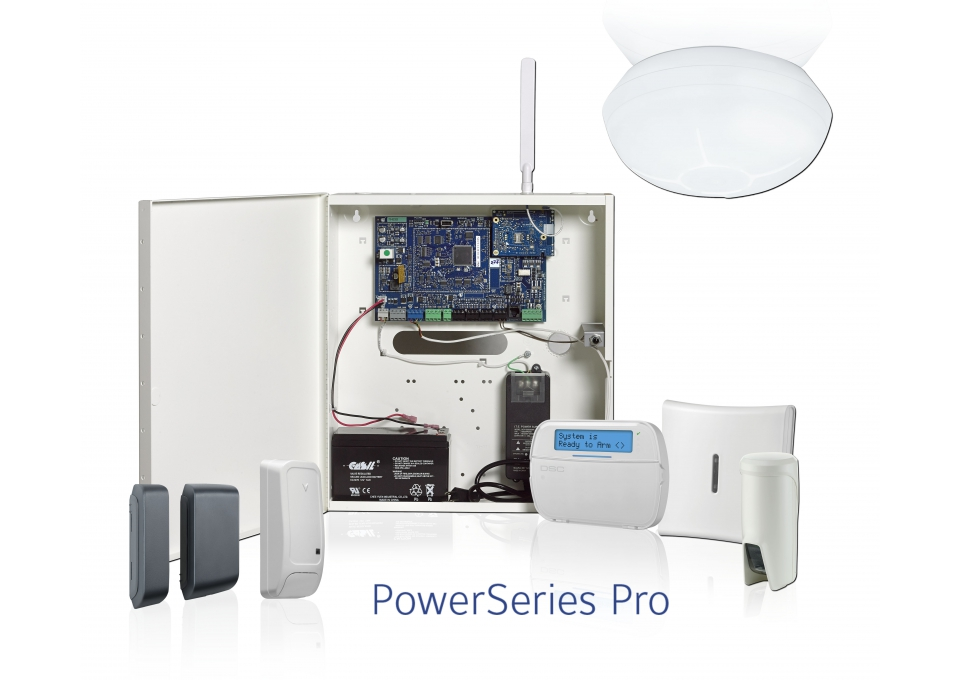
BTI Communications Group, LTD. designs, quotes, sells, installs, services and manages intrusion systems with DSC panels and Alarm.com options, then documents the zones, communication paths and monitoring responsibilities. Start with a new installation, a persistent fault, an upgrade or an existing-system takeover. The same team can coordinate the doors, cameras and network behind the alarm.
BTI Communications Group, LTD. provides commercial alarm design, installation, repair, maintenance, upgrades and takeover assessments in Orange County. BTI is an Alarm.com dealer with Over 40 years in business. A site review establishes detector coverage, panel compatibility, user permissions, communication paths and the agreed monitoring plan before a written proposal. Existing equipment is evaluated rather than automatically replaced.
The assessment addresses a defined installation, a problem to fix or an ongoing operational need. Medical organizations, aerospace suppliers, distribution and manufacturing are considered through their actual site, information and workflow requirements, not through a generic package.
From engineering to continuing service
Define the operating requirements, infrastructure and acceptance checks before choosing the equipment or licenses.
Review equipment, labor, licensing, assumptions and exclusions together. Compare the complete scope rather than a headline price.
Test the agreed workflows, train your operators and document the configuration and escalation route.
| Service or system | Scope to confirm before implementation |
|---|---|
| DSC intrusion panels | Select the panel, expansion, power, keypad and compatible wired or wireless detection from the actual zone and partition requirements. A product family name is not a complete equipment schedule. |
| Alarm.com business administration | Scope compatible remote arming, event history, opening and closing notifications and user administration. Feature availability depends on the panel, communicator and service plan selected. |
| Detection and perimeter zones | Review doors, interior movement and other agreed risks against occupancy, material storage, environmental conditions and the route staff use to enter and leave. Document each zone in plain language. |
| Signal paths and monitoring activation | Evaluate IP and cellular options, signal supervision, power backup and authorized contact procedures. Monitoring activation is a separately verified step, not assumed because the keypad powers on. |
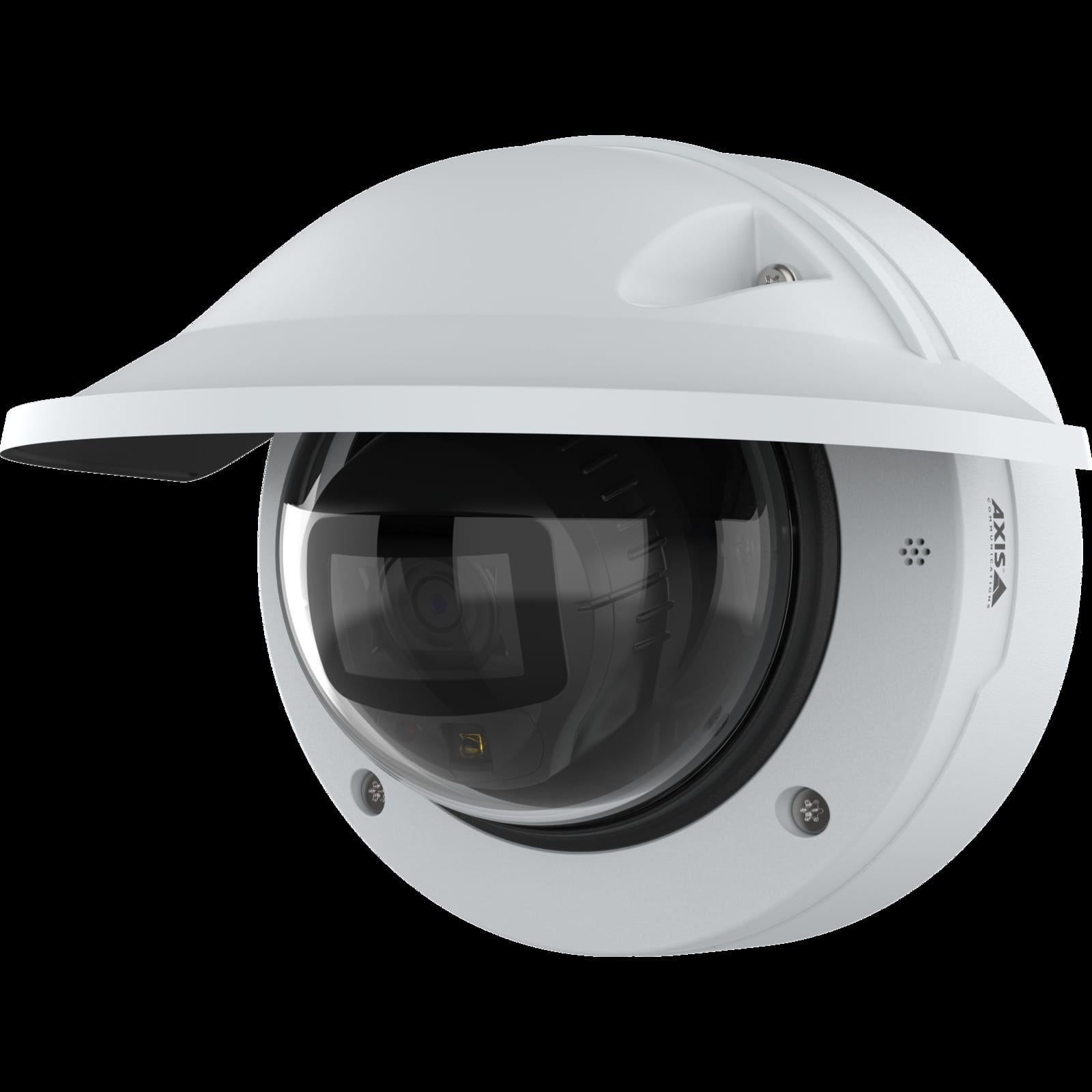
| Video and access integration | Determine whether a supported camera or door event should help an authorized operator verify an alarm. Document the integration and permissions; do not assume all brands share every event. |
| Existing-system service | Diagnose power, wiring, contacts, detector placement, batteries and communications before recommending replacement. Takeover eligibility depends on supported hardware, account release and access rights. |
Build a zone and partition map around actual entry routes, shifts, restricted rooms and the responsible alarm users. Review detector placement, existing wiring, power and signaling before selecting a panel.
Itemize the panel, detection, communicator, power supply, batteries, programming, cabling, labor, training and recurring monitoring separately. Identify existing equipment retained, exclusions, permit responsibilities and any third-party work.
Compare a repair, a supported communicator upgrade and a panel replacement against the same operating requirements. Explain which app, reporting and integration functions the selected plan includes instead of selling a feature list without compatibility checks.
Label and test zones, verify the authorized signal paths and contact instructions, train users and document the final programming. Coordinate testing with the monitoring provider so a planned test is not treated as an actual event.
Maintain the zone list, contact roster, user permissions and communication record as the building changes. Agree how faults, battery replacements, false-alarm investigation and moves or additions are handled under the service scope.
For an Orange County procurement review, bring the business objective, current inventory, known problems and existing agreements. Medical, aerospace, distribution and manufacturing teams should identify which rooms, records, devices or operating periods are restricted, and who can approve exceptions. Separate what the business needs from a preferred product list. A phased proposal can compare the immediate problem with a longer-term modernization, while showing the cabling, configuration, licenses, labor and service responsibilities in each option. No customer or completed project is inferred from the scenarios on this page.
| Buyer intent | How it enters the plan |
|---|---|
| New installation | Define the required result, system boundaries, site or data access, implementation plan and acceptance tests before purchasing. |
| Repair and service | Identify the actual fault, affected workflow and support status before proposing a replacement. |
| Maintenance | Agree on checks, configuration records, user or device changes, renewal ownership and corrective work in the service scope. |
| Upgrade | Review compatibility, lifecycle, capacity, security and migration requirements; retain equipment or configuration that remains suitable. |
| Takeover or switching provider | Confirm ownership, access, documentation, existing agreements and provider release requirements before changing operational responsibility. |
| Monitoring and management | Specify the alerts, operational owner, escalation, reporting and change approval included. Technical monitoring is not an unlimited response or arrival guarantee. |
Calls are taken in real time, and client emails get a reply within 15 minutes. Client alerts are triaged in real time by enterprise-grade AI agents, then escalated to human engineers in the 24/7 NOC/SOC.
24/7 system health and alert monitoring available, plus a 24/7 converged security NOC/SOC. The proposal defines intrusion or video monitoring functions separately from technical health alerts.
| Approach | When it fits | What to compare |
|---|---|---|
| Service and maintenance | A supported system has a specific fault or needs a documented maintenance plan. | Diagnosis, repair scope, test record and responsibility for follow-up. |
| Takeover or upgrade | The existing installer or monitoring arrangement no longer fits. | Ownership and compatibility review, release plan, programming backup and activation tests. |
| New system or replacement | Coverage, partitioning or platform requirements exceed what is installed. | Survey, equipment schedule, installation, training and agreed monitoring activation. |
The quote identifies one-time work, recurring services, subscriptions, retained equipment, assumptions, exclusions and third-party responsibilities. A repair, phased upgrade and replacement should be compared against the same accepted outcome, not only an equipment price. Final cost follows discovery.
100% financing for parts, labor and licensing at 3.99% for five years. Financing and the itemized scope can be reviewed with your consultation.
A nuisance alarm does not establish that the panel has failed. Start with the event history and the actual zone: a loose contact, changing occupancy, poor detector placement or a signaling fault can require a different repair. For a takeover, confirm panel and communicator support, programming access, account ownership, release requirements and the existing agreement. Where hardware is viable, compare reuse with a phased upgrade. Where it is unsupported, explain the replacement boundary and the migration of zones and users. Never cancel existing monitoring until the replacement activation and contact procedures have been confirmed.
The proposal identifies who receives intrusion signals, who verifies events, which contacts are called and how authorized dispatch requests are handled. An app alert is not the same as a central-station monitoring agreement. A security-system health alert is not a promise of guard or police arrival. Local permit, registration and false-alarm requirements must be checked for the actual jurisdiction; no countywide rule or response-time guarantee is assumed. BTI does not include fire alarm installation, testing or inspection in this intrusion scope.

Privacy, information access and continuity around the actual medical workflow.
Production boundaries, supplier requirements and the approved change window.
Receiving, dispatch, operating shifts and the supported system of record.
Orange County requirements often cross the boundary between a tenant suite and shared building systems. A medical office in Irvine, a controlled production area in Huntington Beach and a receiving operation in Anaheim need different access, privacy and implementation rules. The discovery process identifies the landlord or property manager, the business process owner, internal IT and any application vendor before work begins. Site access, ceiling or riser permissions and the operating window belong in the proposal, not in an assumption that every building in the county works the same way.
The scenarios below are practical design considerations, not claims of named customers, completed local installations or measured savings.
An Irvine medical group or an Orange pharmacy may have cleaning, deliveries and staff access outside its public hours. Map those routes and restricted storage before assigning partitions and entry delays. Identify the staff member who owns user-code changes and the person authorized to interpret an opening or closing alert. Privacy and operational restrictions are reviewed with the medical organization; they are not replaced by a generic alarm package.
At a Huntington Beach aerospace supplier or a Santa Ana manufacturer, a late shift, production cleanup or scheduled vendor visit can look like an alarm exception unless the design accounts for it. Review receiving doors, employee entrances, restricted production and utility rooms separately. The site security owner identifies contractual requirements and approves the access and notification rules; BTI does not declare a facility compliant because a particular panel is installed.
For an Anaheim or Fullerton distributor, review the receiving schedule, adjacent pedestrian entrances and how the last person leaves. Test the actual door hardware and zone descriptions with operations staff. A forklift route, moving inventory or a propped loading door can change the detector environment. Takeover work should produce an intelligible zone list and verified contact procedures, not only a new bill for monitoring.
Walk the closing route with the authorized manager, arm the agreed partitions, exercise the planned entry path and verify a representative signal with the monitoring provider under a coordinated test procedure. Confirm the event describes the correct area and reaches the approved contact path. Record exceptions and the person who accepts them. This is an acceptance scenario, not a test to perform through the public website or without the site and provider's authorization.
Where we work: Irvine, Orange, Anaheim, Santa Ana, Fullerton, Buena Park, Brea, Placentia, Yorba Linda, Garden Grove, Huntington Beach, Fountain Valley, Costa Mesa, Newport Beach, Tustin, Lake Forest, Mission Viejo and San Clemente.
BTI Communications Group, LTD., 12155 Mora Dr, Units 1 & 2, Santa Fe Springs, CA 90670. This is the servicing office in Santa Fe Springs, not an office in Orange County.
The service agreement identifies the systems managed, named responsibilities, authorized changes, escalation and the boundary between remote work and an on-site visit. Sales inquiries get a reply within one business day; existing-client support uses the real-time call and 15-minute email commitments described above.
BTI Communications Group, LTD. serves Southern California from our Santa Fe Springs office. Pick your region for local services.
Los Angeles County businesses.
Orange County businesses, served from Santa Fe Springs.
Irvine Spectrum, Irvine Business Complex and UCI area businesses, served from Santa Fe Springs.
Riverside and San Bernardino County businesses, served from Santa Fe Springs.
Burbank, Glendale, the Valley, Santa Clarita and Antelope Valley businesses, served from Santa Fe Springs.
Thousand Oaks, Simi Valley, Camarillo, Oxnard and Ventura businesses, served from Santa Fe Springs.
Long Beach, Carson, Compton, Downey, Norwalk and Cerritos businesses, served from Santa Fe Springs.
Pasadena, Alhambra, El Monte, West Covina, City of Industry and Pomona businesses, served from Santa Fe Springs.
Torrance, El Segundo, Gardena, Hawthorne, Redondo Beach and San Pedro businesses, served from Santa Fe Springs.
Over 40 years of IT, security and communications work. Call 562-298-5070 for security or 323-510-8003 for IT, or book a free consultation.
Get a free consultationBTI first checks the panel, communicator, ownership, programming access and monitoring release requirements. The assessment identifies supported equipment that can remain and any changes needed before a takeover.
Possibly. Contacts, wiring, detection performance and compatibility are tested. Reuse is a site-specific engineering decision, not a promise made from a panel brand alone.
BTI installs and services DSC intrusion equipment and is an Alarm.com dealer. The quote specifies compatible hardware and the Alarm.com functions included in the selected service plan.
BTI can investigate event history, zone wiring, detector placement, user operation, power and communications. The repair follows the cause; no system is advertised as eliminating every false alarm.
No. Intrusion signal handling, user notifications, technical health alerts and dispatch procedures have different owners and rules. Those responsibilities are documented in the proposal.
Zone count, detection types, cabling, partitions, panel and communicator selection, access conditions, integration, training and the recurring monitoring plan all affect cost. BTI itemizes the scope.
Bring the panel model, a zone list if available, known faults, building plans, entry schedules and the current service agreement. Do not send passwords, alarm codes or credentials through the public form.
BTI serves Orange County from its Santa Fe Springs office. The proposal defines remote and on-site responsibilities, access and implementation windows for the actual system or workflow. No arrival-time guarantee is implied by the service area.
Start with the business outcome, the current inventory or workflow, the known problems and the authorized decision owner. Local discovery addresses medical, aerospace, distribution and manufacturing requirements before an itemized proposal.
BTI offers 100% financing for parts, labor and licensing at 3.99% for five years. Project-only, co-managed or fully managed scopes are evaluated for the actual system; the proposal identifies ongoing responsibilities. Calls are taken in real time, and client emails get a reply within 15 minutes.
Bring the current system or workflow, your operating constraints and the outcome that would make the project worthwhile. BTI will establish the discovery needed to design, itemize, implement and support the agreed result. No credentials are needed in the public form.
Your next step
Bring your current inventory, site plans and the problem you want solved. Review the design, itemized proposal, installation and support scope with BTI Communications Group, LTD.
100% financing for parts, labor and licensing at 3.99% for five years.