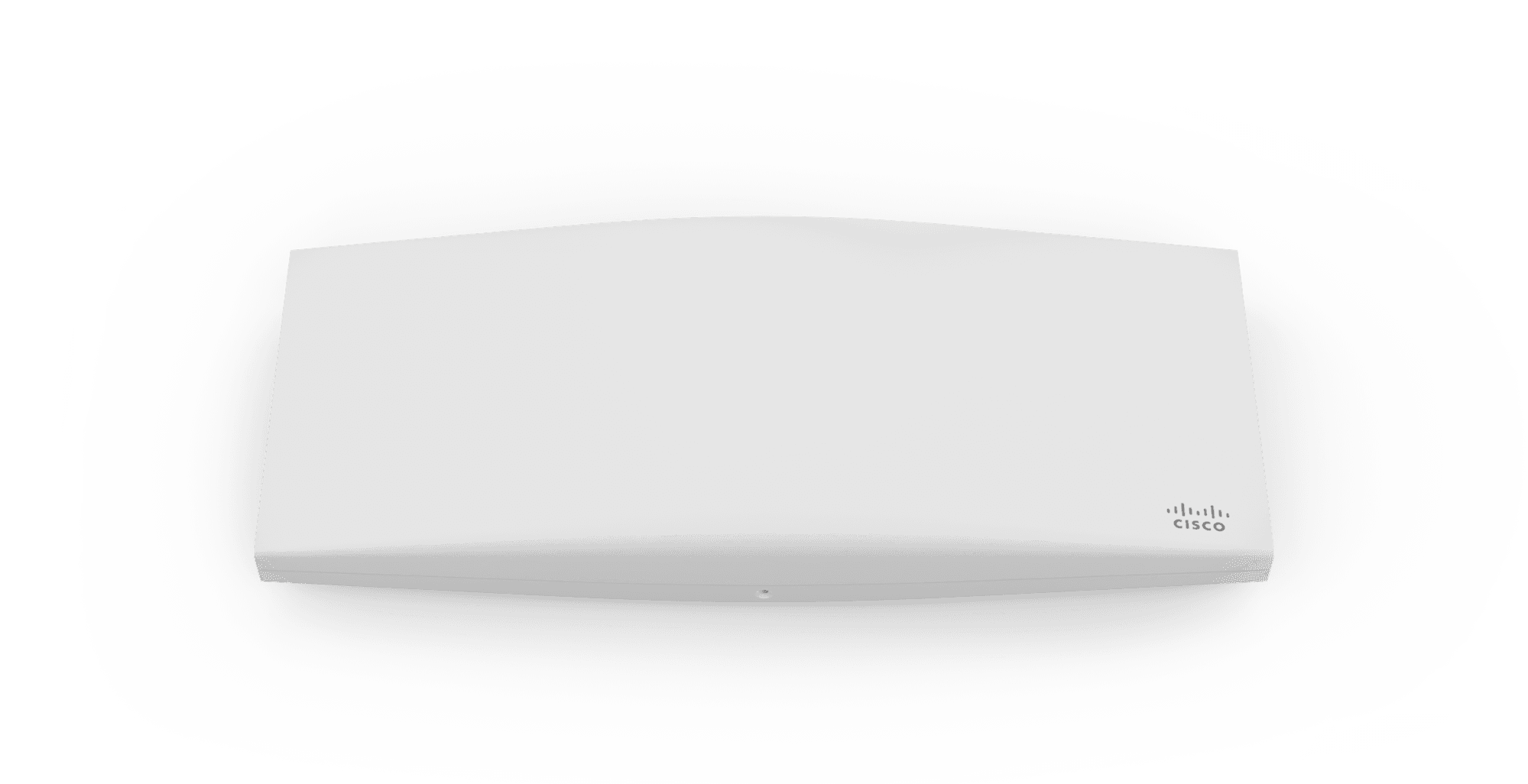
Wireless refresh
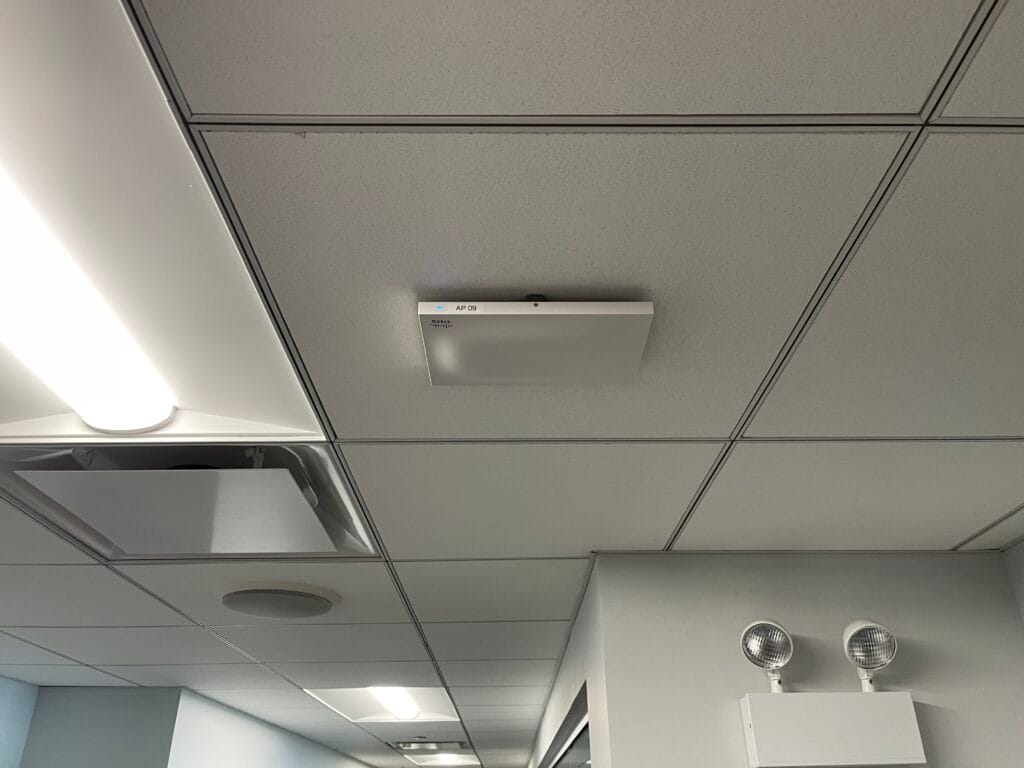
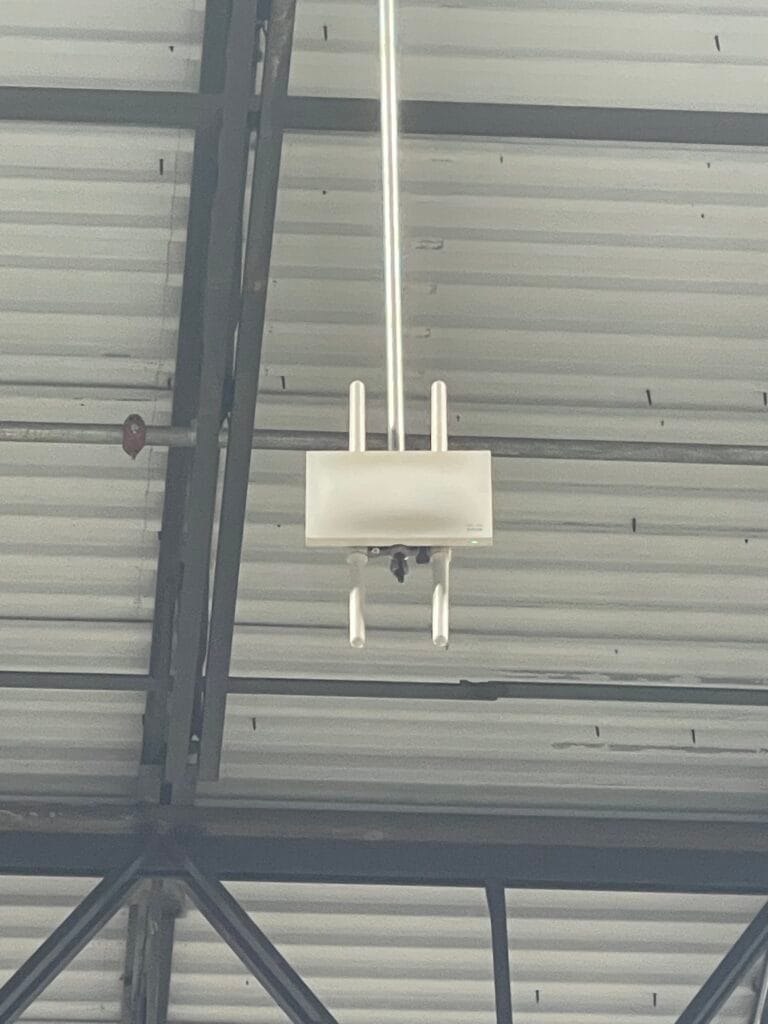
Access points placed from an Ekahau-validated design for Los Angeles offices, converted buildings and warehouses in the Gateway Cities and South Bay.
Over 40 Years in BusinessISO 27001 compliantPublic sector: GSA contract holder
Los Angeles 562-298-5000 · Also in Chicagoland & Phoenix · Nationwide multi-site support · Client Support

Los Angeles, served from our Santa Fe Springs office
Los Angeles County organizations get IT projects planned, installed and supported by BTI's Santa Fe Springs team, from downtown, Mid-Wilshire and Westside office moves to warehouse Wi-Fi in Vernon, Commerce and the City of Industry. An IT upgrade is a business change with a deadline, not just a box to install. BTI scopes network, structured cabling, server, cloud, relocation and security projects with an itemized design, staged testing, rack anchoring where the building's seismic category calls for it and a documented handoff. Use a project partner for the immediate need without replacing your current IT provider.
Sales inquiries get a reply from a BTI engineer within one business day. Managed support clients reach the team in real time by phone, and client emails get a reply within 15 minutes. Never send passwords, alarm codes, license keys or other credentials through the public form.
Prefer to talk? Call 323-510-8003.




GSA contract holder (47QTCA21D00BA). ISNetworld member. ISO 27001 compliant governance, independently reviewed through the TAG ISO 27001 Compliance Program.
Real BTI clients
These are BTI client reviews, not claims of projects in this service area.
BTI consistently solves IT challenges that our staff doesn't have the skill or time for. Their installation team is excellent and their support always makes sure all of our issues are solved.
BTI has been exactly what our growing company has needed for so long! They provide friendly, professional service and have consistently been willing to go above and beyond to ensure our complete satisfaction.
The entire team at BTI has exceeded my expectations. They took my company to the technology and security level I needed.
BTI Communications Group, LTD. designs, quotes, sells, installs and supports the IT projects that change how an office works: network refreshes, office moves, server and cloud migrations, Microsoft 365 moves and security upgrades. The engineers who plan the cutover are the same team that answers support afterward, through a 24/7 NOC/SOC. Projects can stand alone or roll into co-managed or fully managed IT. In Los Angeles, the same Santa Fe Springs team can carry a finished project into managed IT in Los Angeles, cybersecurity in Los Angeles and managed AI automation in Los Angeles.
Access points placed from an Ekahau-validated design for Los Angeles offices, converted buildings and warehouses in the Gateway Cities and South Bay.
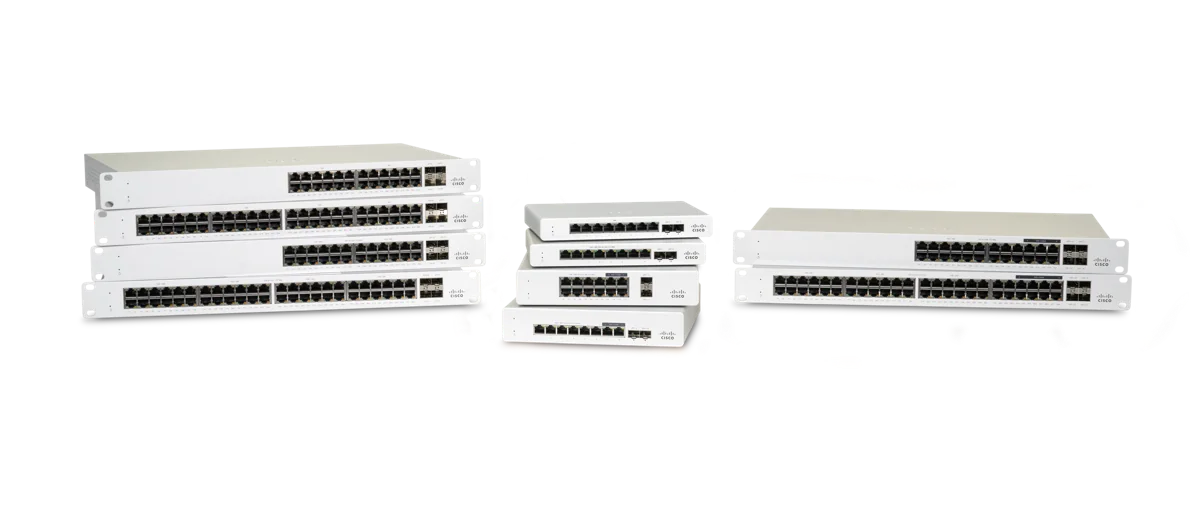
Closet, switching and structured cabling work in Los Angeles County buildings, with racks braced or anchored where the seismic category requires it.
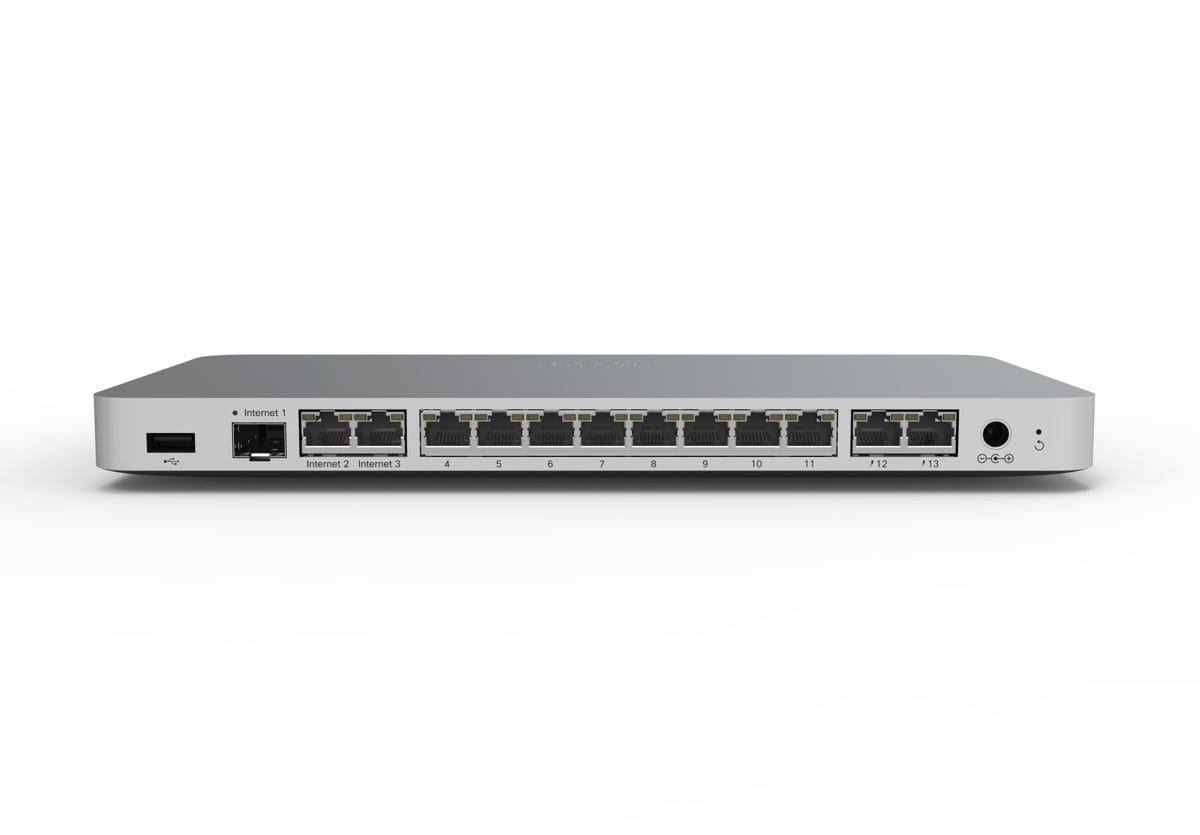
Firewall cutovers for Los Angeles sites, planned with rollback steps and the logging California privacy reviews ask for, tested before the old device leaves.
Product images are manufacturer or BTI field photos. The exact models are itemized in your proposal.
Imagine a professional services firm moving from a Mid-Wilshire floor to a new suite in downtown Los Angeles, with a second team staying in a Burbank office. The lease date is fixed, the landlord controls the riser and the new circuit has been ordered but not confirmed. This is an illustrative planning case, not a description of a completed BTI move.
Begin with the dependencies that set the critical path: carrier delivery, building access approvals, cabling in the new suite, firewall and switch configuration, and the applications people must use on the first morning. Assign each one an owner and a date. Ask the landlord for freight elevator rules, insurance certificates and the hours contractors may work, because those details often decide when equipment can move.
Stage the new network before move weekend so the cutover is a test, not a build. Label every port, record the expected result for each room and test sign-in, file access, printing, video meetings and phones with real users. Keep the old site connected until acceptance is signed. After the move, hand documentation and open items to the team that will support the result day to day.
Separate a defined project from continuing managed IT and judge the project by its acceptance plan. The useful question is how each proposal proves the business is ready to work after the change.
Build a dependency table that shows the task, owner, due date and evidence of readiness. For a downtown move, that includes building approvals and circuit confirmation. For a warehouse network refresh in Vernon, it includes scanner coverage in the racking, label printing and the path to any vendor-hosted system. BTI does not control every application, so vendor responsibilities are written down rather than assumed.
Compare proposals on exclusions, cutover coverage and handoff, not only on equipment. Ask what happens if the carrier is late, who decides to roll back and how unresolved defects are tracked. A temporary connection or fallback plan is a designed option with its own cost, not an automatic promise.
Distribution and logistics companies need warehouse Wi-Fi, scanner coverage and label printing that work across shifts. Manufacturers need network changes timed around production and machine connectivity that stays separate from office systems. Medical groups opening a new clinic need phones, scheduling and printers ready before the first patient day. Public agencies need procurement documentation and clear project records. Professional offices moving between downtown, the Westside and the Valley need predictable move weekends and working video meetings on day one. Each project type changes the acceptance tests and who must sign off.
Related industry services: - Medical groups and medical offices - Distribution and logistics - Manufacturing security requirements
Related industry security: Medical-office security, Manufacturing security and Logistics security. These links describe connected physical-security considerations, not services automatically bundled into this proposal.
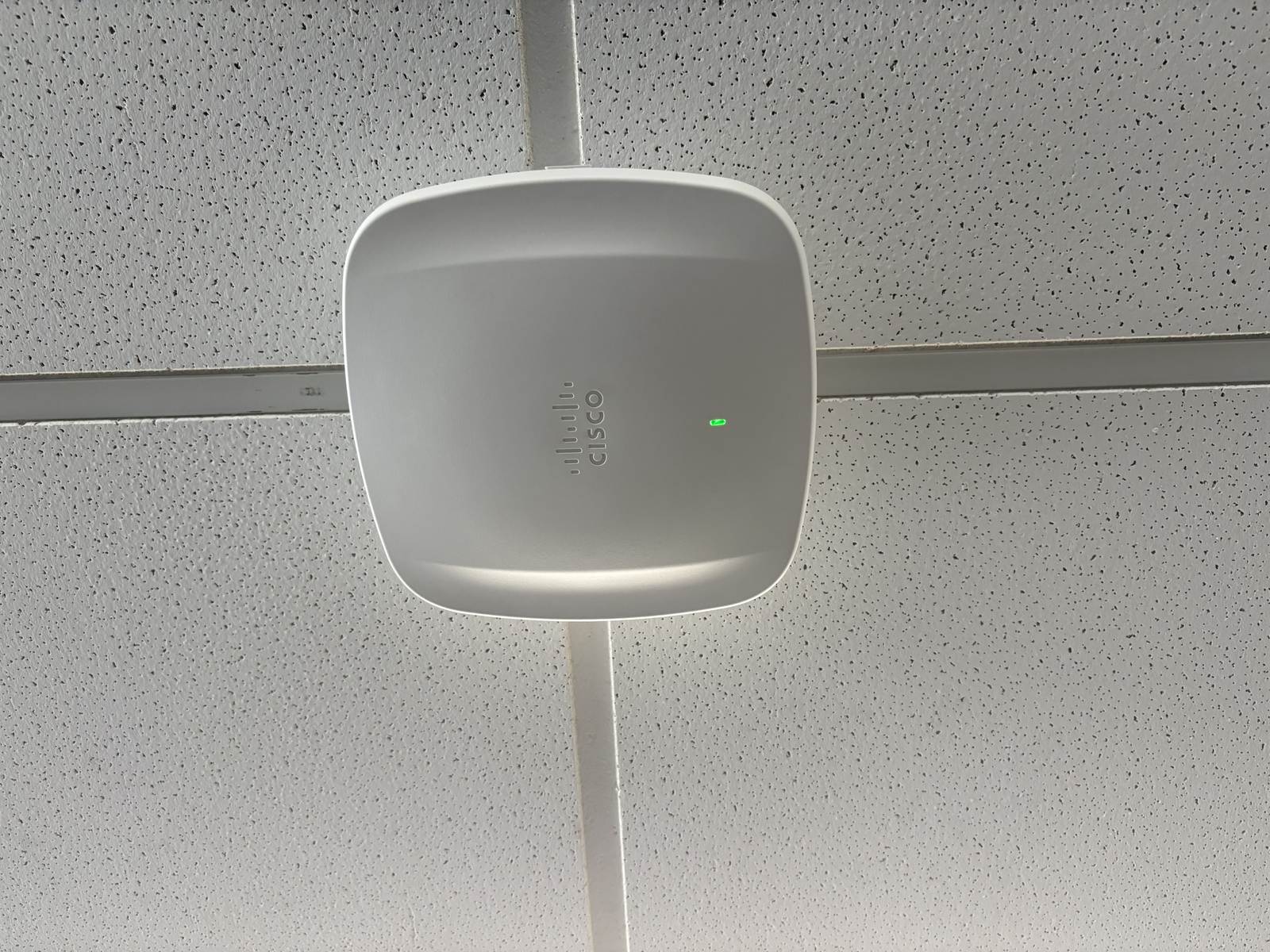
Docks, yards, high bays and shift changes shape the design and the support plan.
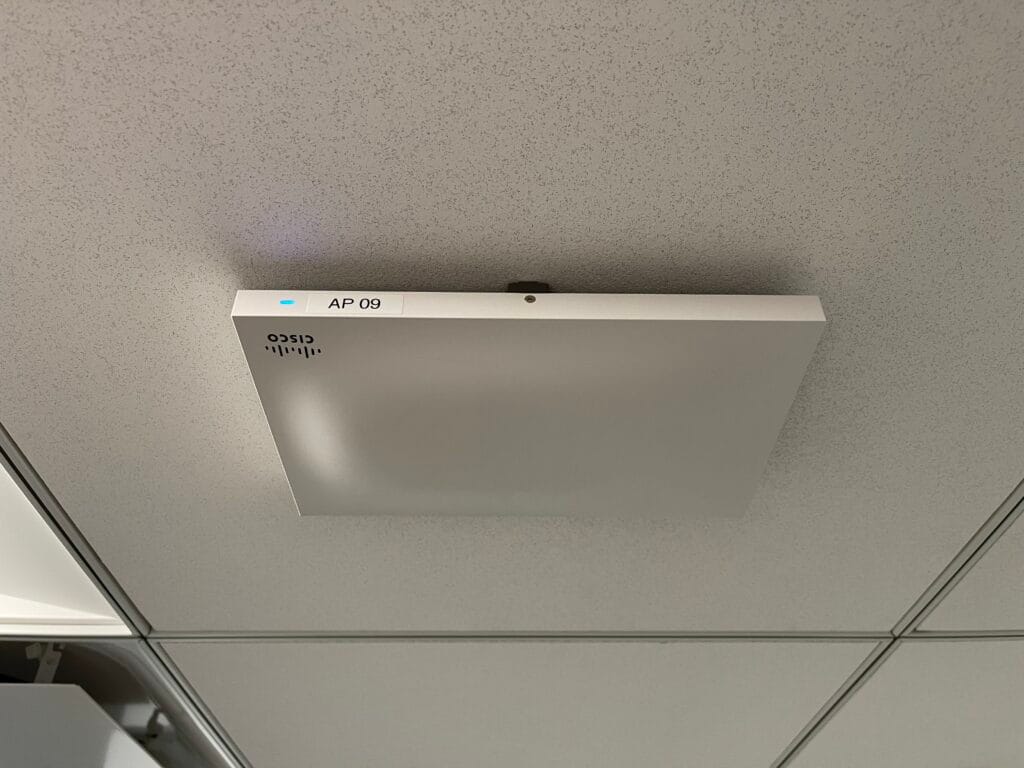
Procurement records, documentation and controlled access are planned from the start.

Clinical schedules, patient areas and restricted rooms set the installation windows.
BTI serves Los Angeles from its office at 12155 Mora Drive, Suites 1 and 2, in Santa Fe Springs. Service planning includes downtown Los Angeles, the Westside, Mid-Wilshire, Vernon, Commerce, the City of Industry, El Monte, Downey, Whittier, Pasadena, Glendale, Burbank, Torrance and Carson, with other Los Angeles County addresses assessed during discovery. Bring every site address and operating window so the proposal can separate remote work, planned visits and carrier or specialist responsibilities. Proximity to the office is not a blanket arrival-time guarantee, and remote support response is not restoration or field arrival.
Calls are taken in real time. Client emails get a response within 15 minutes. Sales inquiries receive a response within one business day. These are response standards, not a promise of immediate repair, carrier restoration or engineer arrival at every site.
The service agreement defines the covered systems, escalation authority and work selected. For a project, agree cutover coverage and post-handoff responsibilities. For ongoing service, identify who handles users, configuration changes and outside vendors. Keep support requests on the established client route; the consultation form is for the next sales conversation.
12155 Mora Drive, Suites 1 and 2, Santa Fe Springs, CA 90670
IT Projects line: 323-510-8003
Projects are scheduled at your site or delivered remotely.
Local answers for Los Angeles. General project questions are answered on the IT Projects hub.
BTI's Southern California office is at 12155 Mora Drive, Suites 1 and 2, Santa Fe Springs, CA 90670, southeast of downtown Los Angeles. The Los Angeles IT line is 323-510-8003.
BTI plans projects across downtown Los Angeles, the Westside, Mid-Wilshire, Vernon, Commerce, City of Industry, El Monte, Downey, Whittier, Pasadena, Glendale, Burbank, Torrance and Carson. The same team covers Orange County.
Usually, yes. FEMA E-74 says racks should be braced, anchored or tethered, and ASCE 7 requires anchorage in Seismic Design Categories D through F for heavier or wall-mounted equipment. BTI confirms the building's category and anchoring method with the building engineer.
The CPPA's updated CCPA regulations took effect January 1, 2026, with cybersecurity audit certifications phased in from April 1, 2028 by revenue size. BTI builds the logging, MFA and backup evidence into the project. Your counsel decides whether and how the rules apply.
Yes. BTI's Santa Fe Springs team delivers projects across Los Angeles and Orange County, and the Inland Empire has its own IT projects page. A multi-site rollout uses one standard, one schedule and one acceptance checklist.
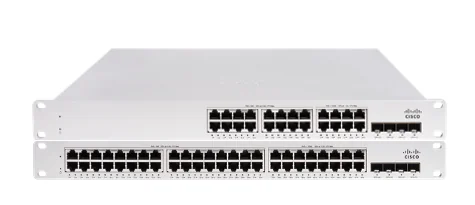
Related BTI service for this area.
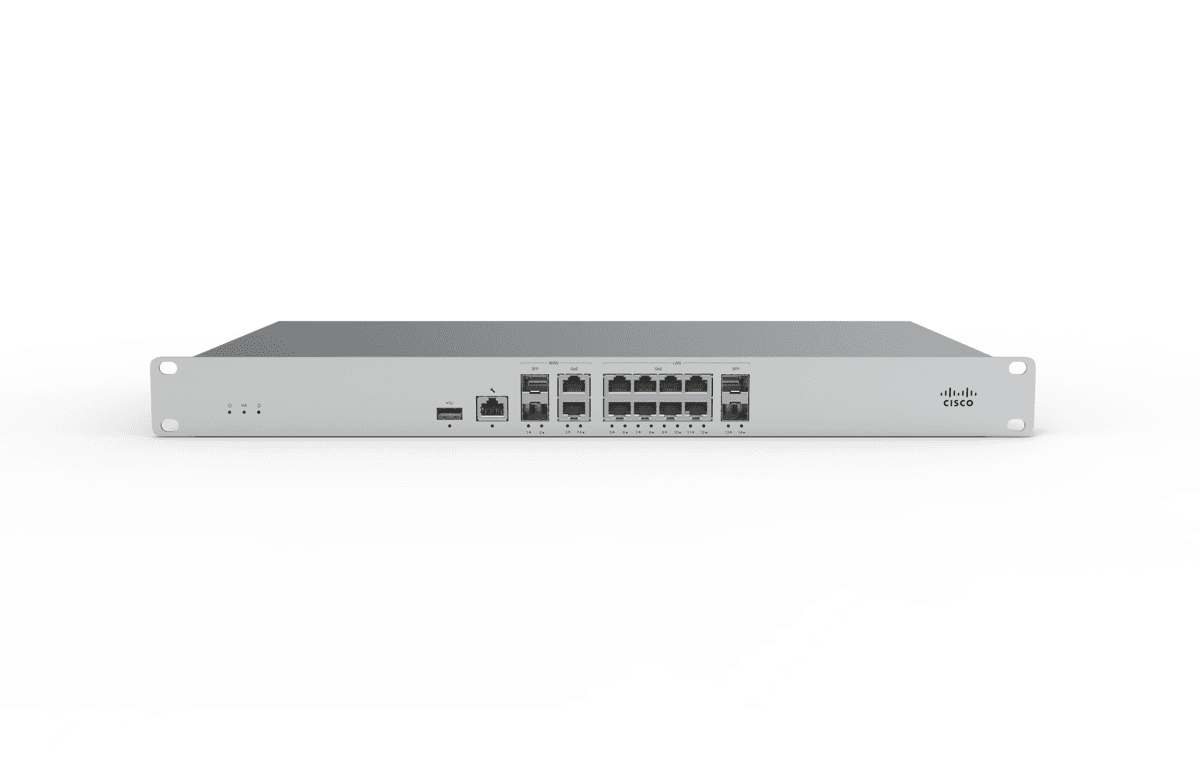
Related BTI service for this area.
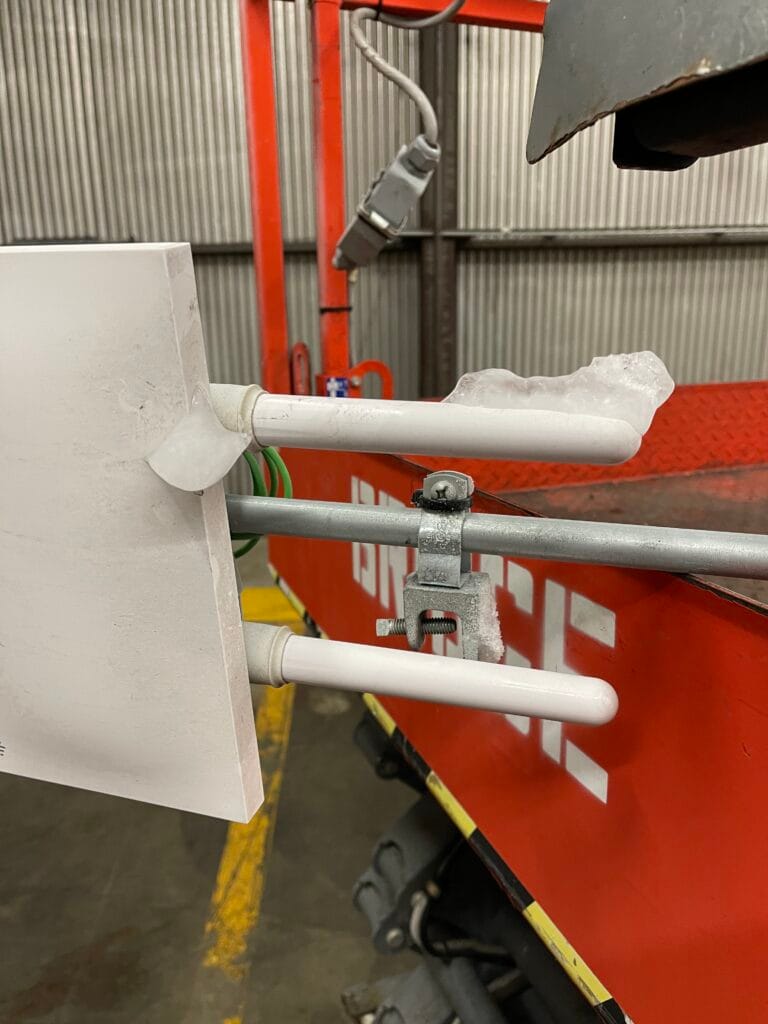
Related BTI service for this area.
Your next step
Bring your current inventory, site plans and the problem you want solved. Review the design, itemized proposal, installation and support scope with BTI Communications Group, LTD.
100% financing for parts, labor and licensing at 3.99% for five years.