Documented design
Define the operating requirements, infrastructure and acceptance checks before choosing the equipment or licenses.
Over 40 Years in BusinessISO 27001 compliantPublic sector: GSA contract holder
Los Angeles 562-298-5000 · Also in Chicagoland & Phoenix · Nationwide multi-site support · Client Support

Inland Empire, served from our Santa Fe Springs office
An IT project is complete when the business can operate it and the next support person can understand it.
Distribution, manufacturing, utilities, public agencies and multi-site businesses
Tell us the site or workflow, the current system and the outcome you need. Sales inquiries get a reply within one business day. We establish the appropriate discovery and proposal scope before implementation. Never send passwords, access codes, license keys or other credentials through the public form.
Prefer to talk? Call 323-510-8003.




GSA contract holder (47QTCA21D00BA). CMAS and TESMA contract awardee (California). ISNetworld member. ISO 27001 compliant governance, independently reviewed through the TAG ISO 27001 Compliance Program.
Real BTI clients
These are BTI client reviews, not claims of projects in this service area.
BTI consistently solves IT challenges that our staff doesn't have the skill or time for. Their installation team is excellent and their support always makes sure all of our issues are solved.
BTI has been exactly what our growing company has needed for so long! They provide friendly, professional service and have consistently been willing to go above and beyond to ensure our complete satisfaction.
The entire team at BTI has exceeded my expectations. They took my company to the technology and security level I needed.
BTI Communications Group, LTD. handles discovery, engineering, purchasing, installation, migration, commissioning and documentation for office moves, network and server refreshes, cloud projects, security upgrades and multi-site rollouts. The project plan identifies the business owner, dependencies, decision gates and acceptance tests before the implementation window is booked.
BTI Communications Group, LTD. designs, quotes and delivers IT infrastructure, migration, upgrade and relocation projects in Inland Empire. Over 40 years of IT, communications and security work informs a single coordinated scope covering the physical installation, systems, vendors and post-launch handoff. BTI can deliver a defined project, work alongside internal IT or discuss ongoing management after commissioning.
The assessment addresses a defined installation, a problem to fix or an ongoing operational need. Distribution, manufacturing, utilities, public agencies and multi-site businesses are considered through their actual site, information and workflow requirements, not through a generic package.
From engineering to continuing service
Define the operating requirements, infrastructure and acceptance checks before choosing the equipment or licenses.
Review equipment, labor, licensing, assumptions and exclusions together. Compare the complete scope rather than a headline price.
Test the agreed workflows, train your operators and document the configuration and escalation route.
| Service or system | Scope to confirm before implementation |
|---|---|
| New offices and relocations | Coordinate carrier service, closets, cabling, rack power, switching, Wi-Fi, phones and essential business applications. The address is not ready until the dependencies and business workflows have been tested. |
| Networks, Wi-Fi and structured cabling | Develop port and PoE budgets, VLANs, firewall and remote-access requirements, wireless coverage and cable schedules. Survey and validate against actual building conditions and the devices staff use. |
| Servers, storage and cloud migration | Inventory workloads, operating systems, licensing, identity and application dependencies. Design the target, migration order, backups and rollback criteria, then reconcile the business functions after the move. |
| Cybersecurity upgrade projects | Turn agreed findings into an implementable scope: identity controls, segmentation, endpoint changes, security configuration and escalation. Confirm who approves each change and which evidence establishes completion. |
| Backup and disaster recovery projects | Define what must be recovered, in what order and with which recovery objectives. Implement and test the selected protection service, and document credentials recovery, dependencies and ownership. |
| Multi-location rollouts and takeovers | Create a repeatable site standard while preserving location-specific circuits, layouts and operating constraints. Audit unfinished work or inherited equipment before committing to a remediation schedule. |
Inspect what is actually installed, map the systems that depend on it and agree on the business result. Define the target architecture, migration order, test plan and responsibility matrix before procurement.
List equipment, subscriptions, cabling, mounts, lifts, engineering, migration, commissioning and support. Separate landlord, carrier, electrician and software-vendor dependencies, exclusions and optional phases so approval is based on a comparable scope.
Value-engineer the alternatives: retain a serviceable system, replace a failing component or stage a broader modernization. Purchasing decisions follow the design and lifecycle requirements rather than the largest hardware list.
Pre-stage systems where practical, protect current configurations and agree on the rollback trigger and decision owner. Execute the cutover in a defined window, record changes and test the business workflows before declaring completion.
Deliver the device and license inventory, diagrams, configuration record, test results and recovery procedures. Define post-launch stabilization and the boundary between project warranty work, ongoing management and future changes.
For an Inland Empire project, start with one building or workflow and identify the standard that should carry across the remaining sites. Confirm which decisions belong to local operations and which belong to central IT, security or purchasing. A network closet, gate or loading area that appears identical on a plan may have different power, signaling, carrier or approval conditions. The proposal records those differences and prices the necessary work. Geographic service coverage does not establish an on-site arrival guarantee, a dedicated local office or an unlimited after-hours service commitment.
| Buyer intent | How it enters the plan |
|---|---|
| New installation | Define the required result, system boundaries, site or data access, implementation plan and acceptance tests before purchasing. |
| Repair and service | Identify the actual fault, affected workflow and support status before proposing a replacement. |
| Maintenance | Agree on checks, configuration records, user or device changes, renewal ownership and corrective work in the service scope. |
| Upgrade | Review compatibility, lifecycle, capacity, security and migration requirements; retain equipment or configuration that remains suitable. |
| Takeover or switching provider | Confirm ownership, access, documentation, existing agreements and provider release requirements before changing operational responsibility. |
| Monitoring and management | Specify the alerts, operational owner, escalation, reporting and change approval included. Technical monitoring is not an unlimited response or arrival guarantee. |
Calls are taken in real time, and client emails get a reply within 15 minutes. Client alerts are triaged in real time by enterprise-grade AI agents, then escalated to human engineers in the 24/7 NOC/SOC.
| Approach | When it fits | What to compare |
|---|---|---|
| Defined installation or migration | The target result and operating boundary can be specified. | A documented scope, procurement list, cutover plan and commissioning evidence. |
| Rescue or takeover project | An inherited or unfinished installation lacks reliable documentation. | Assessment, fault priorities, access and ownership review, then a bounded remediation plan. |
| Co-managed rollout or ongoing management | Internal IT needs extra delivery capacity or continuing operational support. | An agreed division of work, escalation, documentation and change responsibilities. |
The quote identifies one-time work, recurring services, subscriptions, retained equipment, assumptions, exclusions and third-party responsibilities. A repair, phased upgrade and replacement should be compared against the same accepted outcome, not only an equipment price. Final cost follows discovery.
100% financing for parts, labor and licensing at 3.99% for five years. Financing and the itemized scope can be reviewed with your consultation.
A project schedule must include the work BTI does not control. Carrier delivery, landlord permissions, electrical work, procurement lead times and software-vendor availability may determine the critical path. Record each dependency, owner, required evidence and due date in the project plan. Review changes through an agreed approval process so a late request does not silently alter cost, risk or acceptance. For a relocation, verify the new circuit and the required application paths before moving the equipment that the old site still needs.
Define the minimum operating tests before the change: user sign-in, application access, printing or scanning where required, voice, remote access and restoration of a representative protected workload. Identify who can accept exceptions and who can order a rollback. Record actual results and unresolved risks. A successful ping, a green dashboard or a filled rack does not prove that a production application works. Changes to operational systems remain under the organization's authorized owner and, where needed, its application or equipment vendor.
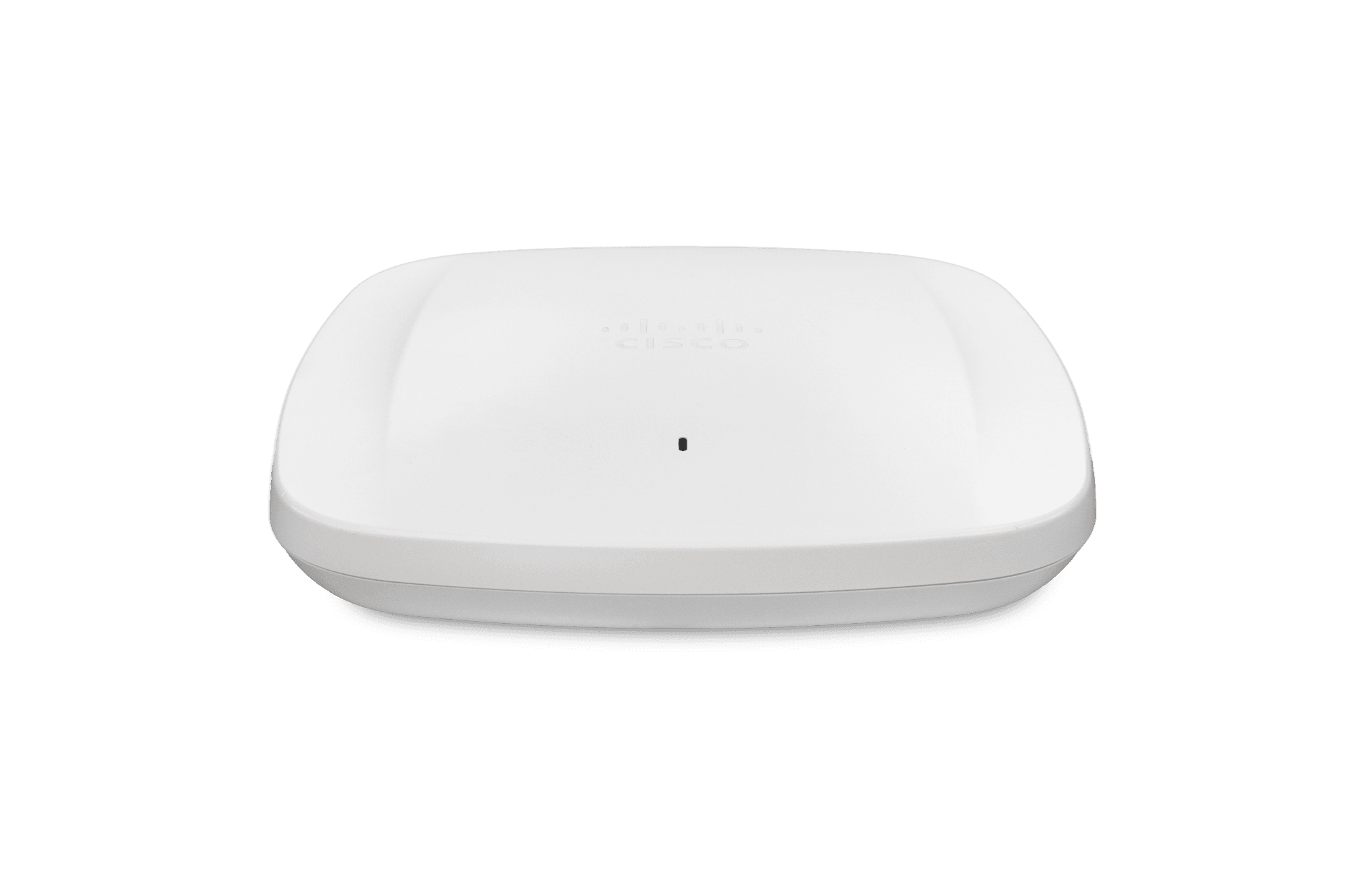
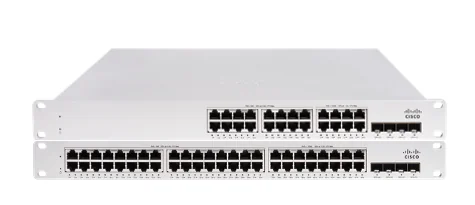
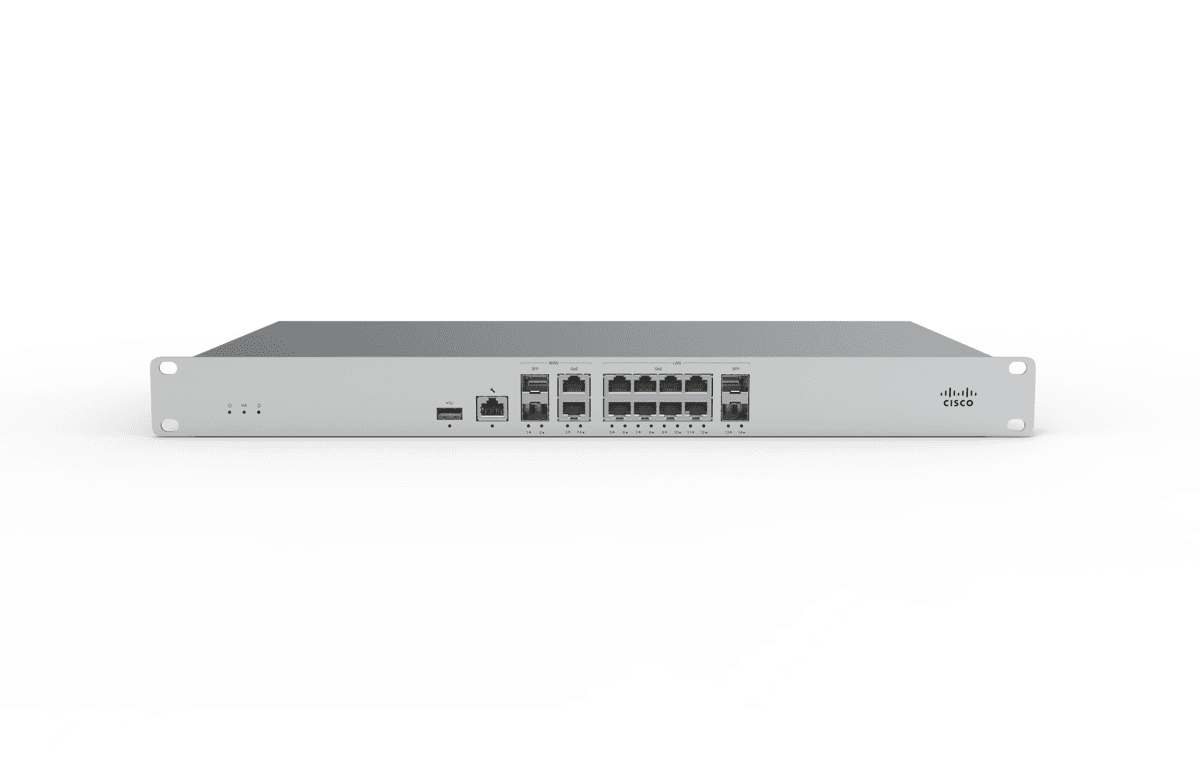
Operational continuity, shift handoffs and documented responsibilities.
Approved access, privacy and user workflows.
Procurement, retention and acceptance requirements defined by the organization.
Riverside and San Bernardino counties contain very different operating environments. A staffed Riverside office, an Ontario distribution building and a remote utility yard need different plans for access, connectivity and on-site service. For facilities along I-10, I-15, SR-60 and I-215, the building layout and operating shifts matter more than a countywide service label. Record escort requirements, active loading areas, high work, available circuits and the owner of every dependency before committing to a cutover. A remote change and a physical installation have different access requirements.
The scenarios below are practical design considerations, not claims of named customers, completed local installations or measured savings.
In Ontario, Fontana and Moreno Valley, inspect high cable routes, racking, loading activity and the places scanners actually roam. Plan lifts, mounting, closets, PoE demand and validation along working routes before ordering access points. A new building may still depend on carrier activation, landlord permission and finished electrical work. Those dependencies belong on the critical path, not in a list of excuses discovered on installation day.
At a Corona or Rancho Cucamonga plant, inventory the workloads, interfaces and vendor access that a network or server change could affect. Agree with operations which components can be staged independently and which need the equipment vendor present. Keep supported systems where justified and document the reason for replacing unsupported components. The plant owner approves production access and acceptance; a general IT project does not presume authority over every machine.
For a Riverside office with sites in Chino, Redlands or Perris, define the reusable addressing, security, inventory and documentation standard. Then record the differences at each site: circuits, floor plans, power, rack capacity and access. A rollout is easier to support when every location has a consistent test record and named owner, not merely matching switch models. Unfinished-project assessment follows the actual installation and access rights, not the old proposal alone.
Commission a representative operating workflow: scan and print, access the application, place a call, use approved remote access and recover a protected workload where in scope. Test the required wireless paths after racking or inventory changes when those affect the design. Record failures, exceptions and the business decision to accept or roll back. Outdoor and high-access work should have a defined completion condition and safe work window.
Where we work: Ontario, Rancho Cucamonga, Fontana, Rialto, San Bernardino, Redlands, Chino, Chino Hills, Riverside, Corona, Norco, Eastvale, Jurupa Valley, Moreno Valley, Perris, Menifee, Murrieta and Temecula.
BTI Communications Group, LTD., 12155 Mora Dr, Units 1 & 2, Santa Fe Springs, CA 90670. This is the servicing office in Santa Fe Springs, not an office in Inland Empire.
The service agreement identifies the systems managed, named responsibilities, authorized changes, escalation and the boundary between remote work and an on-site visit. Sales inquiries get a reply within one business day; existing-client support uses the real-time call and 15-minute email commitments described above.
BTI Communications Group, LTD. serves Southern California from our Santa Fe Springs office. Pick your region for local services.
Los Angeles County businesses.
Orange County businesses, served from Santa Fe Springs.
Irvine Spectrum, Irvine Business Complex and UCI area businesses, served from Santa Fe Springs.
Riverside and San Bernardino County businesses, served from Santa Fe Springs.
Burbank, Glendale, the Valley, Santa Clarita and Antelope Valley businesses, served from Santa Fe Springs.
Thousand Oaks, Simi Valley, Camarillo, Oxnard and Ventura businesses, served from Santa Fe Springs.
Long Beach, Carson, Compton, Downey, Norwalk and Cerritos businesses, served from Santa Fe Springs.
Pasadena, Alhambra, El Monte, West Covina, City of Industry and Pomona businesses, served from Santa Fe Springs.
Torrance, El Segundo, Gardena, Hawthorne, Redondo Beach and San Pedro businesses, served from Santa Fe Springs.
Over 40 years of IT, security and communications work. Call 562-298-5070 for security or 323-510-8003 for IT, or book a free consultation.
Get a free consultationYes. BTI scopes physical network work and the systems it supports together, identifying any landlord, carrier, electrical or application-vendor dependencies before implementation.
Yes. A co-managed project assigns design, purchasing, configuration, testing and support responsibilities explicitly, so internal IT retains the controls and decisions the organization requires.
BTI can assess the work, equipment ownership, access, documentation, dependencies and known faults. A rescue proposal follows that review rather than promising completion from the prior vendor's description.
No blanket replacement is assumed. Equipment is evaluated for supportability, security, capacity and compatibility with the target design before BTI recommends retaining, upgrading or replacing it.
The proposal can define a suitable implementation window after access, dependencies and business requirements are reviewed. No after-hours availability or completion time is assumed without that scope.
The agreed handoff can include device and license inventories, diagrams, configuration records, test results, acceptance exceptions, recovery procedures and the named support owners.
BTI documents the stabilization period and support boundary. Project-only, co-managed and fully managed arrangements can be evaluated; the continuing responsibilities are not assumed from the installation alone.
BTI serves Inland Empire from its Santa Fe Springs office. The proposal defines remote and on-site responsibilities, access and implementation windows for the actual system or workflow. No arrival-time guarantee is implied by the service area.
Start with the business outcome, the current inventory or workflow, the known problems and the authorized decision owner. Local discovery addresses site access, operating shifts, connectivity and multi-site responsibilities before an itemized proposal.
BTI offers 100% financing for parts, labor and licensing at 3.99% for five years. Project-only, co-managed or fully managed scopes are evaluated for the actual system; the proposal identifies ongoing responsibilities. Calls are taken in real time, and client emails get a reply within 15 minutes.
Bring the current system or workflow, your operating constraints and the outcome that would make the project worthwhile. BTI will establish the discovery needed to design, itemize, implement and support the agreed result. No credentials are needed in the public form.
Your next step
Bring your current inventory, site plans and the problem you want solved. Review the design, itemized proposal, installation and support scope with BTI Communications Group, LTD.
100% financing for parts, labor and licensing at 3.99% for five years.