Documented design
Define the operating requirements, infrastructure and acceptance checks before choosing the equipment or licenses.
Over 40 Years in BusinessISO 27001 compliantPublic sector: GSA contract holder
Los Angeles 562-298-5000 · Also in Chicagoland & Phoenix · Nationwide multi-site support · Client Support
Los Angeles, served from our Santa Fe Springs office
Los Angeles organizations get managed AI automation from BTI, planned and supported from its Santa Fe Springs office. AI automation is useful when a real workflow gets faster and the business still knows who is accountable. BTI helps select, build and operate governed automations with the surrounding IT, permissions and connectivity in view. Start with one measurable process, keep consequential decisions with authorized people and expand only when the evidence supports it.
Sales inquiries get a reply from a BTI engineer within one business day. Managed support clients reach the team in real time by phone, and client emails get a reply within 15 minutes. Never send passwords, alarm codes, license keys or other credentials through the public form.
Prefer to talk? Call 323-510-8003.



GSA contract holder (47QTCA21D00BA). ISNetworld member. ISO 27001 compliant governance, independently reviewed through the TAG ISO 27001 Compliance Program.
Real BTI clients
These are BTI client reviews, not claims of projects in this service area.
BTI consistently solves IT challenges that our staff doesn't have the skill or time for. Their installation team is excellent and their support always makes sure all of our issues are solved.
BTI has been exactly what our growing company has needed for so long! They provide friendly, professional service and have consistently been willing to go above and beyond to ensure our complete satisfaction.
The entire team at BTI has exceeded my expectations. They took my company to the technology and security level I needed.
BTI Communications Group, LTD. assesses, designs, builds, monitors and supports AI automations for real business workflows. BTI starts with one measurable process, documents the data it touches and who approves the output, then pilots it with your team before it goes live. After launch, the same team manages the automation, reviews exceptions and changes it as the work changes, with a 24/7 NOC/SOC covering the systems underneath.

A chatbot subscription supplies a tool. A managed automation service connects selected tools, business systems and operating responsibilities into a workflow that can be reviewed and maintained. That may mean sorting incoming requests, preparing drafts, gathering information or routing an exception for human approval. Each BTI AI client gets its own hosted Azure tenant. Isolation is a foundation, not a blanket guarantee that every integration, permission or business decision is safe. Those details must still be designed and tested.
Explore the Los Angeles technology and security hub and national Managed AI Automation Services services for the wider scope.
From engineering to continuing service
Define the operating requirements, infrastructure and acceptance checks before choosing the equipment or licenses.
Review equipment, labor, licensing, assumptions and exclusions together. Compare the complete scope rather than a headline price.
Test the agreed workflows, train your operators and document the configuration and escalation route.
The services below are selected and itemized after discovery. Product access, implementation and continuing operation are separate decisions.
Identify repetitive work, existing systems and the cost of delay. Establish a baseline with your own records before projecting savings. Choose a bounded first workflow and a business owner.
Connect approved sources and actions, with validation and exception handling. An automation that prepares a draft is a different risk from one that changes a business record or communicates externally.
Define roles, permitted data, retention, logs and approval boundaries. Review connectors and service accounts rather than assuming a platform permission is suitable for every process.
Work with internal IT and process owners on identity, devices, network and application dependencies. The service scope defines who maintains each component and who can authorize changes.
Track completed work, exceptions, quality and operating costs against the baseline. Keep human review where required and revise the workflow when applications or business rules change.
Start with a business outcome and finish with tested operation, documentation and an accountable support owner.
Observe a real process with its owner. Count work and exceptions using actual records, identify sensitive inputs and describe an acceptable result. Do not start with a promised percentage saving or a general instruction to automate everything.
Map source systems, data access and proposed actions. Decide where a person must approve, how failures are handled and who can stop the automation. Separate the client's Azure environment and document integration boundaries.
Confirm identity, network and application readiness before adding automation. Grant only the access required and test the permitted data paths. Document dependencies that could fail independently of the AI, such as an unavailable source application.
Use representative examples, edge cases and deliberately incomplete inputs. Check factual accuracy and permission boundaries, not just fluent output. Keep production actions constrained until the process owner accepts the result and operating controls.
Train the users who review work and handle exceptions. Introduce the workflow under agreed permissions, keep a fallback route and make it clear when a person must intervene. Record the acceptance decision and the first review date.
Review throughput, errors, escalations and actual operating cost. Adjust approved rules through change control. Expand to another workflow only after the first is useful, supportable and understood by the people accountable for its results.
Choose the work needed now and the responsibilities that should continue afterward. A proposal should not use a broad service label to hide missing tasks.
For AI, implementation means a functioning workflow and governed connections, not a device installed on a desk. Confirm the source of truth, access scope, acceptance tests and human approval points. Infrastructure work may be needed before a reliable automation can be launched; it should be itemized rather than hidden in an AI subscription.
When a workflow produces a wrong answer or stalls, investigate the input, connector, permissions and business rule as well as the model output. Keep examples of the failure through an approved secure route. Changes should be tested against representative cases so fixing one exception does not silently break another.
Applications, APIs, source documents and business policies change. Maintenance can include connector checks, permission review, test-case updates and operating-cost review as contracted. A workflow that passed its launch test still needs an owner when the source system changes a field or staff adopt a different process.
Users need to know how to report an incorrect result, paused job or unexpected action. The support scope identifies the workflow and surrounding components BTI maintains. Business exceptions may still require the client process owner, and a technical response target is not a promise that every business decision can be resolved immediately.
A new model or connector is not automatically an improvement for your process. Compare output quality, permission requirements and total cost with the accepted baseline. Use regression tests and an approval step before replacing a production component or allowing a wider set of actions.
Inventory workflow definitions, tenant ownership, connectors, service accounts, logs and source permissions. Confirm that your organization has rights to the material being transferred. Assess whether each automation is supportable before agreeing a takeover, then phase access changes with a working fallback.
Monitoring should surface failed runs, unusual access, missing inputs and exceptions that need a person. A fluent answer is not evidence of a correct result. Decide which conditions stop the workflow, who reviews them and what record supports the review. Human approval remains distinct from automated alert triage.
Managed AI connects the operating owner, technical owner and budget owner. Agree a review cadence for results, exceptions, access and change requests. Avoid uncontrolled expansion of permissions simply to keep a workflow running; a changed business process may need a new design rather than another prompt.
Client alerts are triaged in real time by best-in-class, enterprise-grade AI agents, then escalated to human engineers in our 24/7 NOC/SOC.
This describes client alert triage. It does not grant a workflow permission to send communications, change records or make consequential business decisions.
Document the workflow owner, approved inputs, source of truth, permitted actions, human approvals, exception path and stop procedure. Keep a representative test set that includes incomplete or conflicting inputs. The record should explain what the automation is not allowed to do as clearly as what it can do.
Track access to connectors and service accounts separately from ordinary user access. A workflow that can read a document does not necessarily need permission to change records, send a message or release a transaction. Changes to those permissions should have an authorized reviewer and a test before production use.
At review, compare completed work with rejected or escalated results, maintenance effort and actual operating cost. A time-saving claim is not credible if it ignores the staff effort spent checking or repairing outputs. Scaling should follow the measured result and the business owner's approval, not the availability of another connector.
Illustrative example with sample data. It is not a client case study.
| Step | What happens | Who controls it |
|---|---|---|
| Input | A new service request email arrives in a shared mailbox | Your existing mailbox and permissions |
| Permissions | The workflow reads only that mailbox and the customer list it was granted | Access set in your own hosted Azure tenant |
| Draft output | It drafts a reply and a ticket summary with the customer and site filled in | The AI agent, within its instructions |
| Human approval | A coordinator approves, edits or rejects the draft before anything is sent | Your named approver |
| Action log | Every draft, edit and approval is recorded with time and user | Reviewable by you and BTI |
| Exceptions | Anything unclear is routed to a person instead of guessed | A defined exception queue |
| Owner | One business owner is accountable for the workflow and its rules | Your team, supported by BTI |
Use a point AI tool for individual assistance when its data and approval boundaries fit. Use a workflow project for a defined automation with a clear handoff. Use managed AI when the organization wants continuing governance, maintenance and improvement across the process and its technical environment. None of these replaces the business owner's responsibility for a consequential decision.
Cost depends on workflows, users, connectors, data preparation, implementation work, hosting, usage and ongoing service. Ask which charges vary with volume and who approves a budget change. Establish a baseline before discussing return on investment.
Ask about 3.99% financing and the terms that apply to your proposal. Request an itemized scope so equipment, implementation and ongoing services can be compared clearly.
BTI offers 100% financing for parts, labor and licensing at 3.99% for five years.
BTI demonstrates customer experience automation, one possible pilot area within a wider governed AI program. The workflow intake and pilot scorecard above cover the broader adoption and governance decision.
Use the workflow intake and pilot scorecard above to prepare questions and scope before your assessment.
Published BTI educational material. Product availability, service terms and your written proposal govern the selected scope.
Download the business AI adoption and automation buyer's guide (PDF)

AI analytics can connect cameras and operations data when a workflow needs it. Scope is confirmed in discovery.
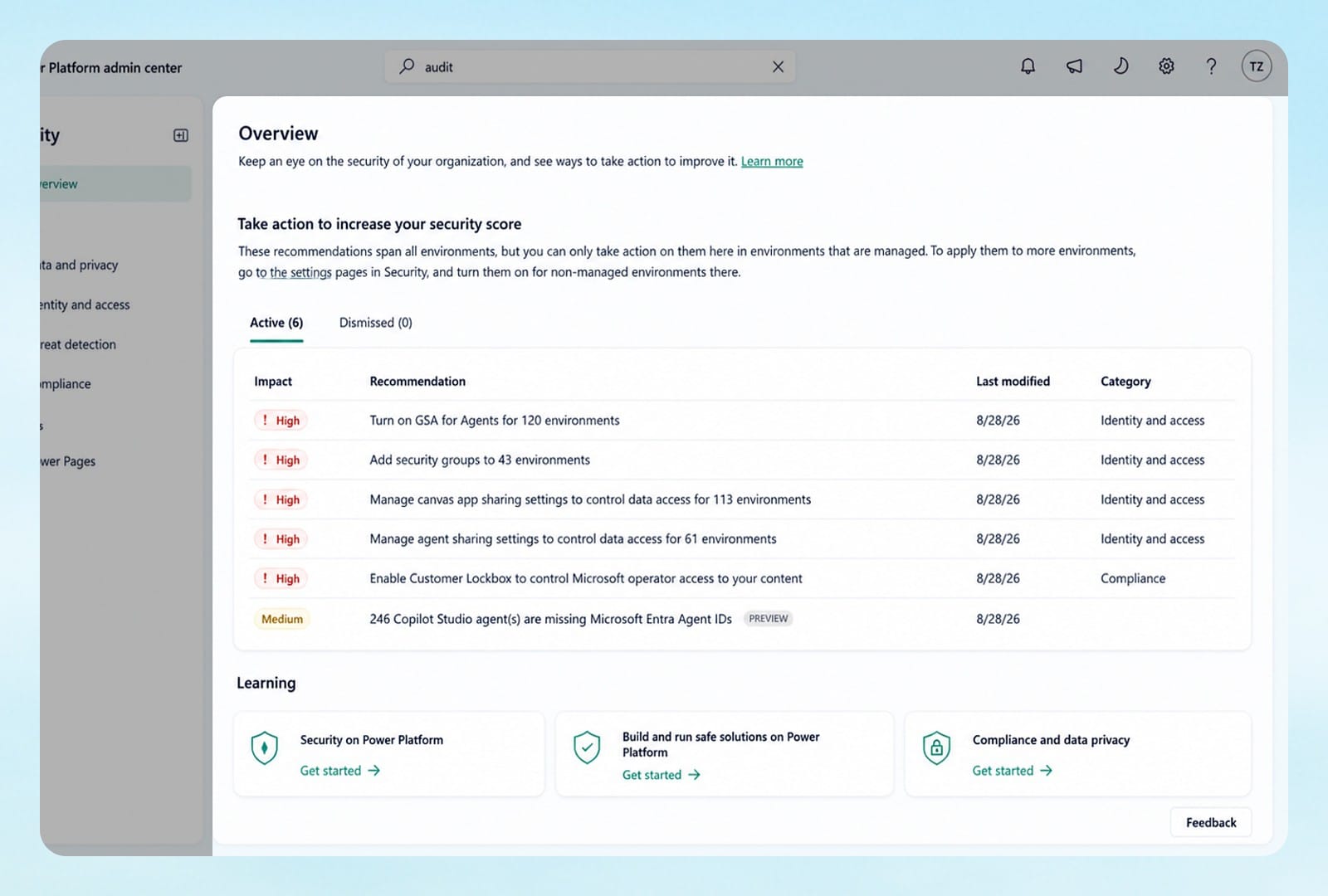
Access, data handling and review rules are documented before an automation touches production data.
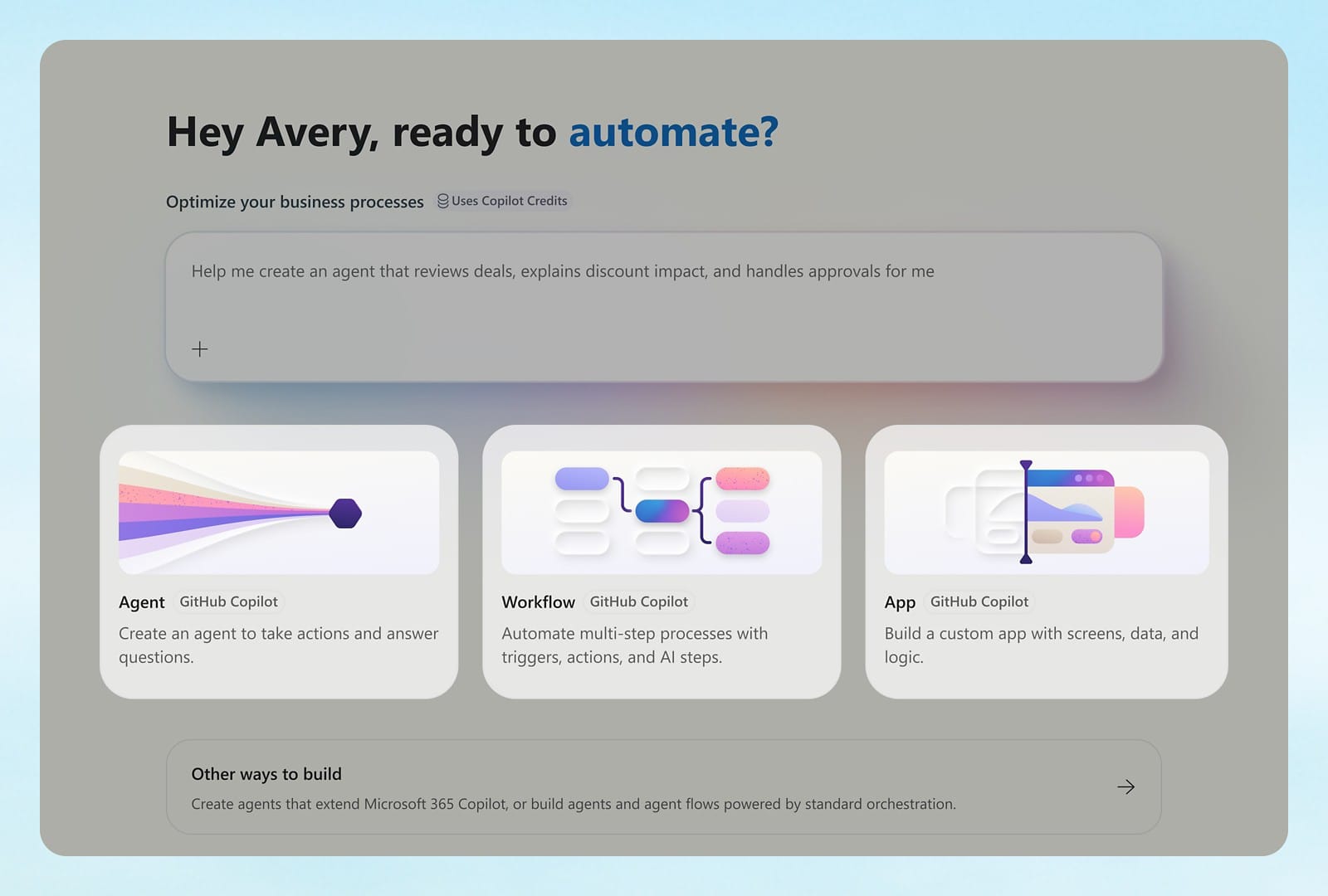
A short assessment ranks candidate workflows by value, risk and readiness before any build.
Product images are manufacturer or BTI field photos. The exact models are itemized in your proposal.
Consider a Vernon food distributor whose customer service team reads incoming purchase orders from email, keys them into the order system and replies with a confirmation. Orders arrive as PDFs, spreadsheets and plain text, and errors surface only when a truck is loaded. A first automation could read the order, propose the matching order lines and flag differences for a person to approve. This is an illustrative use case, not a claimed BTI client or measured saving.
Define which inboxes and documents the workflow may read, which fields it may extract and where its draft appears. The system prepares a proposed entry and highlights anything uncertain, such as an unknown item number or a quantity that does not match the usual pattern. A customer service representative decides whether to accept, correct or reject it. Nothing is sent to a customer or released to the warehouse without that approval.
Pilot with real samples from several customers, including messy ones. Record the baseline time per order, how often drafts are corrected and the usage cost. BTI hosts each AI client in its own Azure tenant, but the permissions, approved connectors and human review steps determine what the workflow can actually do.
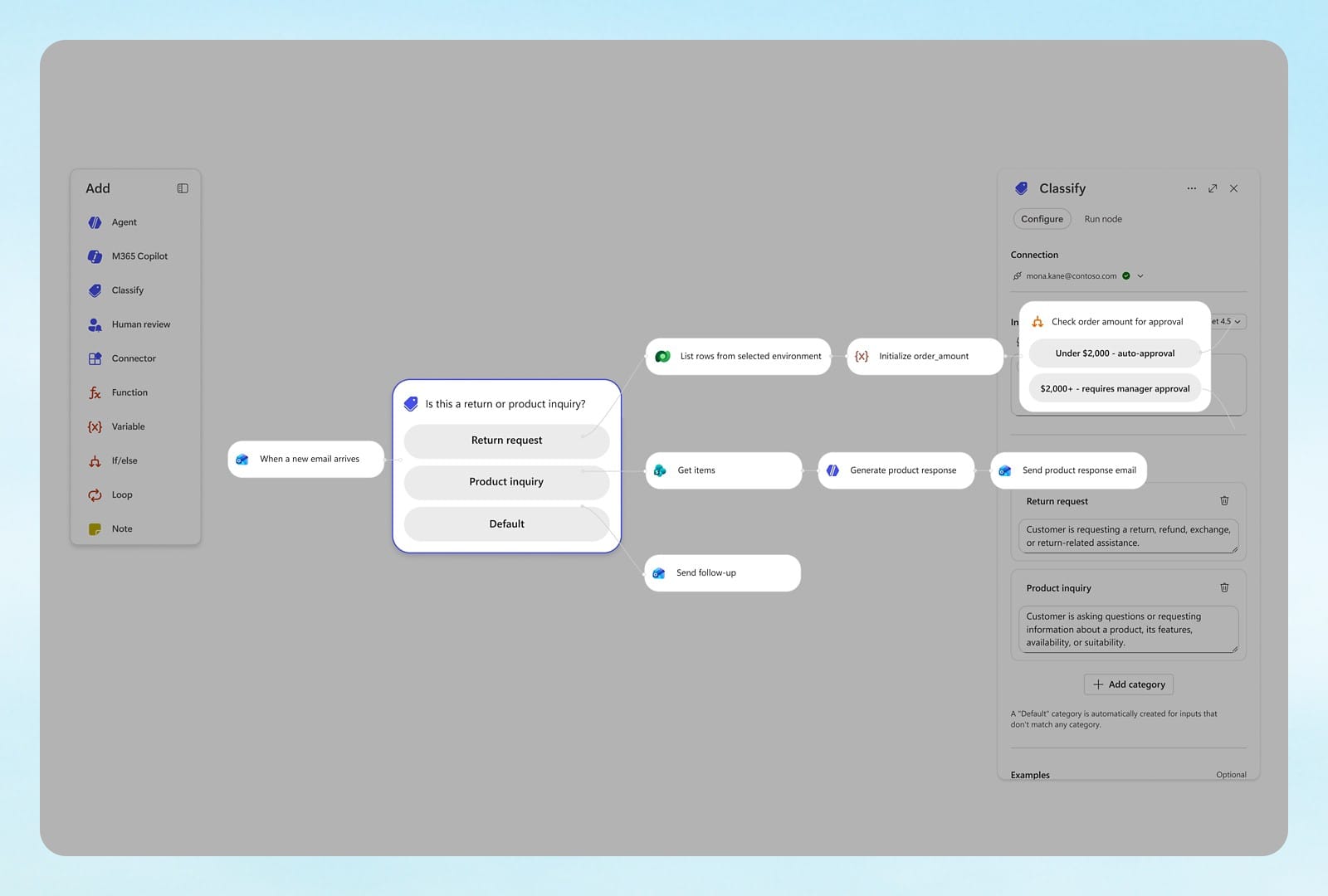
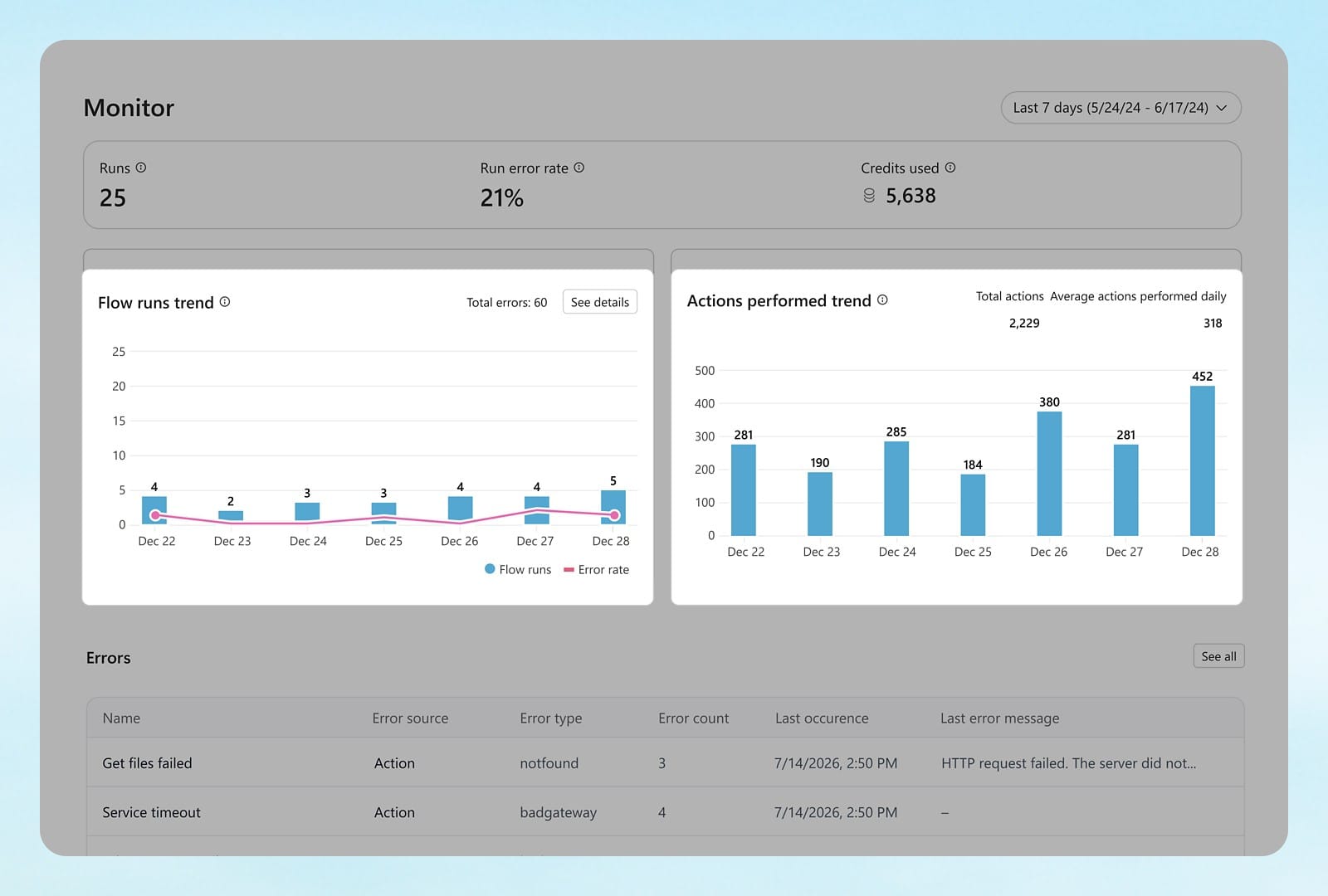
Compare a governed workflow against a list of AI ideas. That framing is useful only if the ongoing work includes permissions, testing and someone accountable for the results.
Before any connector is enabled, document read access, write access, external communication and the person who can pause the workflow. A Los Angeles business also needs to consider California privacy obligations when personal information is involved, so the data map should show what personal data the workflow touches and where it is stored. BTI does not provide legal advice, and the client's counsel decides how those obligations apply.
Acceptance testing should include duplicate orders, missing attachments, conflicting records and an unavailable source system. Review results again after any model, prompt or connector change. Compare build effort, usage, hosting and managed review separately, and do not treat a competitor's launch timeline or savings claim as a promise.
Distribution and logistics companies suit document intake, order matching and exception drafting when the business approves the inputs and outputs. Manufacturers can use controlled assistance for supplier documents and quality records, while machine control stays out of scope. Medical groups may use administrative workflows such as referral intake summaries with appropriate handling of sensitive information, never clinical decisions. Public agencies need records ownership and approval before any pilot. Professional services firms often start with internal knowledge search that respects existing file permissions. Each starts with one repeatable task and a named owner.
Related industry services: - Medical groups and medical offices - Distribution and logistics - Manufacturing security requirements
Related industry security: Medical-office security, Manufacturing security and Logistics security. These links describe connected physical-security considerations, not services automatically bundled into this proposal.

Docks, yards, high bays and shift changes shape the design and the support plan.
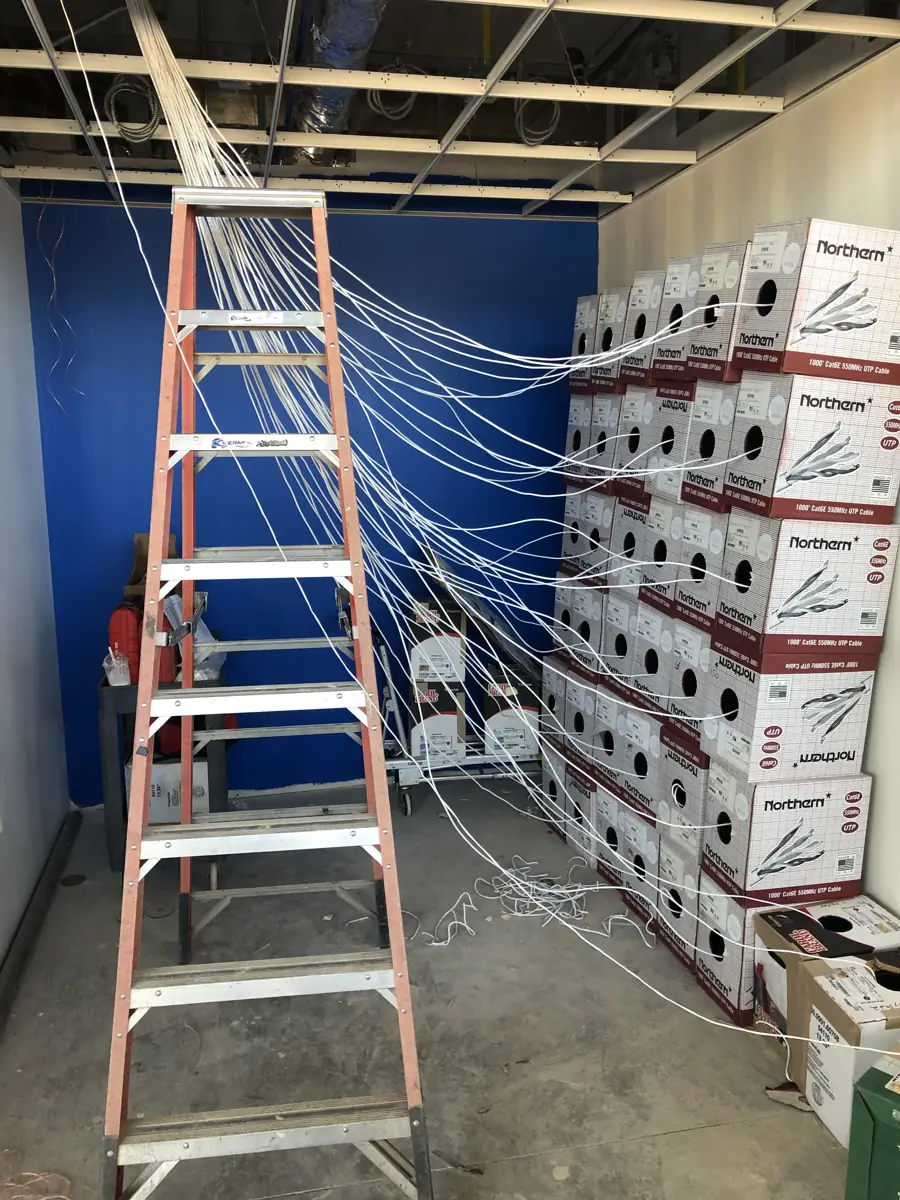
Job sites, trailers and changing crews need workflows that move with the project.
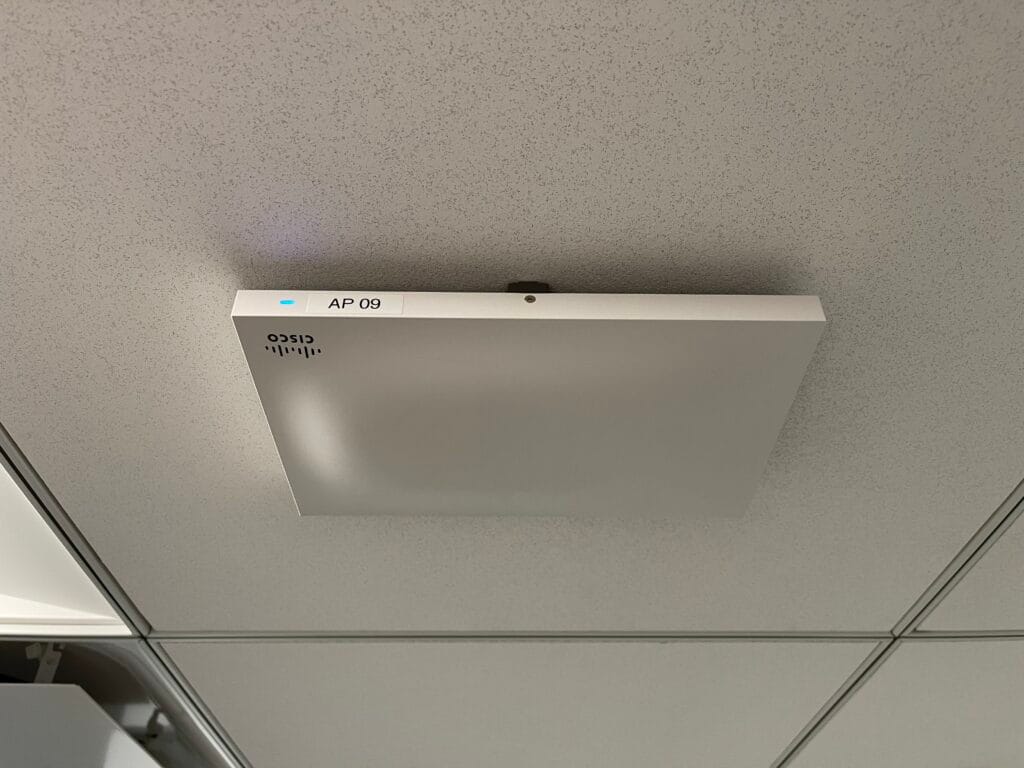
Procurement records, documentation and controlled access are planned from the start.
BTI serves Los Angeles from its office at 12155 Mora Drive, Suites 1 and 2, in Santa Fe Springs. Service planning includes downtown Los Angeles, the Westside, Mid-Wilshire, Vernon, Commerce, the City of Industry, El Monte, Downey, Whittier, Pasadena, Glendale, Burbank, Torrance and Carson, with other Los Angeles County addresses assessed during discovery. Bring every site address and operating window so the proposal can separate remote work, planned visits and carrier or specialist responsibilities. Proximity to the office is not a blanket arrival-time guarantee, and remote support response is not restoration or field arrival.
Calls are taken in real time. Client emails get a response within 15 minutes. Sales inquiries receive a response within one business day. These are response standards, not a promise of immediate repair, carrier restoration or engineer arrival at every site.
The service agreement defines the covered systems, escalation authority and work selected. For a project, agree cutover coverage and post-handoff responsibilities. For ongoing service, identify who handles users, configuration changes and outside vendors. Keep support requests on the established client route; the consultation form is for the next sales conversation.
12155 Mora Drive, Suites 1 and 2, Santa Fe Springs, CA 90670
Managed AI line: 323-510-8003
Projects are scheduled at your site or delivered remotely.
BTI Communications Group, LTD. serves Southern California from our Santa Fe Springs office. Pick your region for local services.
Los Angeles County businesses.
Orange County businesses, served from Santa Fe Springs.
Irvine Spectrum, Irvine Business Complex and UCI area businesses, served from Santa Fe Springs.
Riverside and San Bernardino County businesses, served from Santa Fe Springs.
Burbank, Glendale, the Valley, Santa Clarita and Antelope Valley businesses, served from Santa Fe Springs.
Thousand Oaks, Simi Valley, Camarillo, Oxnard and Ventura businesses, served from Santa Fe Springs.
Long Beach, Carson, Compton, Downey, Norwalk and Cerritos businesses, served from Santa Fe Springs.
Pasadena, Alhambra, El Monte, West Covina, City of Industry and Pomona businesses, served from Santa Fe Springs.
Torrance, El Segundo, Gardena, Hawthorne, Redondo Beach and San Pedro businesses, served from Santa Fe Springs.
Over 40 years of IT, security and communications work. Call 562-298-5070 for security or 323-510-8003 for IT, or book a free consultation.
Get a free consultationThe answers below describe planning and scope. Your site assessment and written proposal determine the work selected.
A subscription supplies product access. A managed engagement can also define the workflow, connect approved systems, maintain the environment and review results. The proposal should separate those responsibilities so the business can compare like-for-like scope.
Yes. Each BTI AI client gets its own hosted Azure tenant. The engagement still needs appropriate identity, permissions, connector governance and data-handling rules. Tenant separation is not a claim that every possible workflow is automatically safe.
Only actions explicitly authorized in the approved workflow should be enabled. Consequential or external actions may need a person to review and approve. Discovery identifies those boundaries instead of granting broad access merely to make a demonstration work.
Choose a repetitive process with clear inputs, a measurable result, manageable exceptions and an accountable owner. Draft preparation or request classification may be more suitable than an autonomous financial or legal decision. The first pilot should be useful and bounded.
No. Use validation, representative testing, limited permissions and human review appropriate to the risk. The operating plan needs a way to stop the workflow and handle exceptions when the output or source data is wrong.
Not automatically. A co-managed scope can work with internal IT or another provider. Establish responsibility for identity, networks, applications and workflow changes so an issue is not passed between teams without an owner.
BTI offers 100% financing for parts, labor and licensing at 3.99% for five years. Project-only, co-managed or fully managed scopes are evaluated for the actual system, and the proposal identifies ongoing responsibilities. Managed support calls are taken in real time, and client emails get a reply within 15 minutes.
Sales inquiries get a reply from a BTI engineer within one business day. Your first conversation confirms the site, the decision you need to make and whether a walk is needed.

Related BTI service for this area.
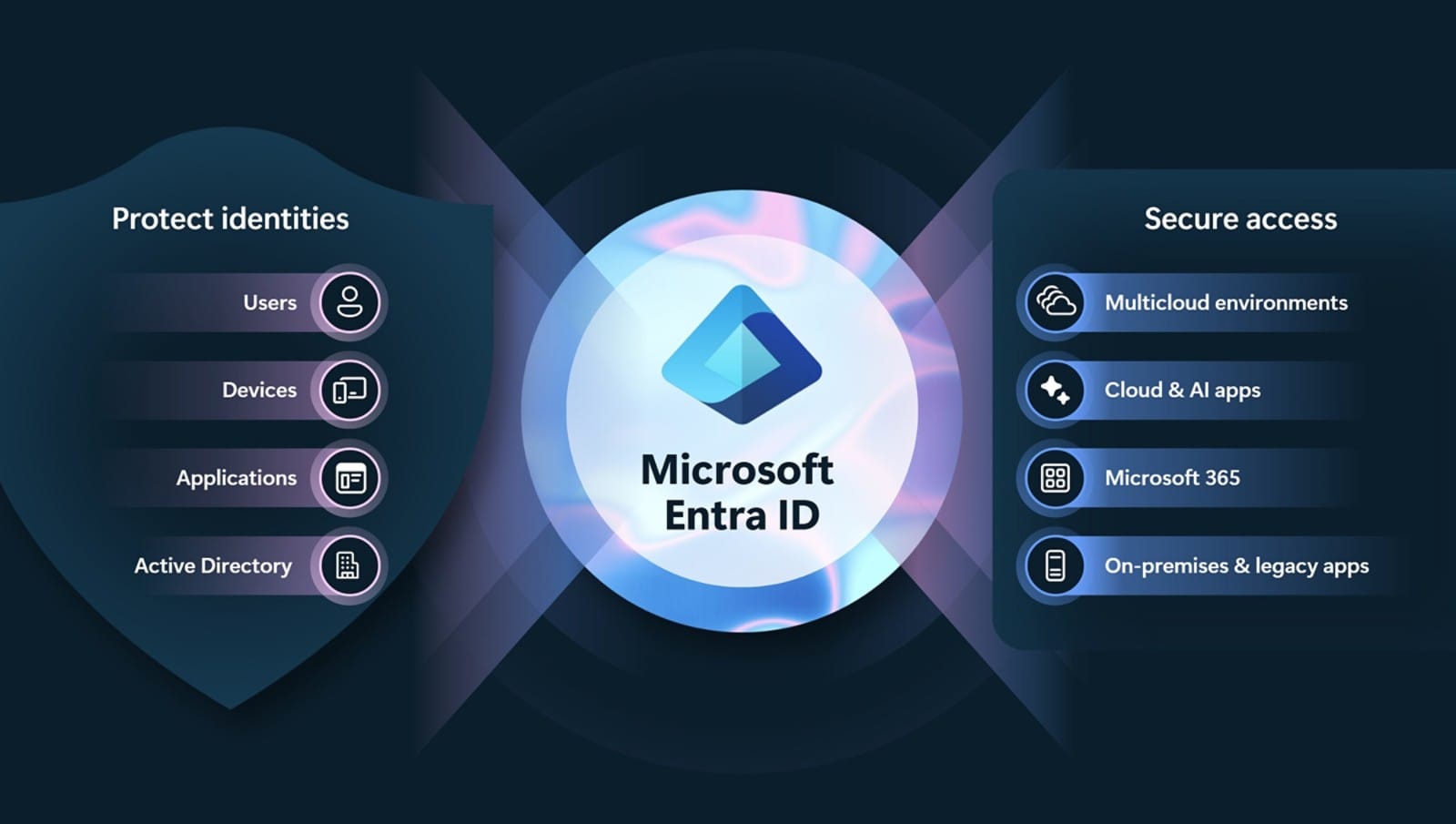
Related BTI service for this area.
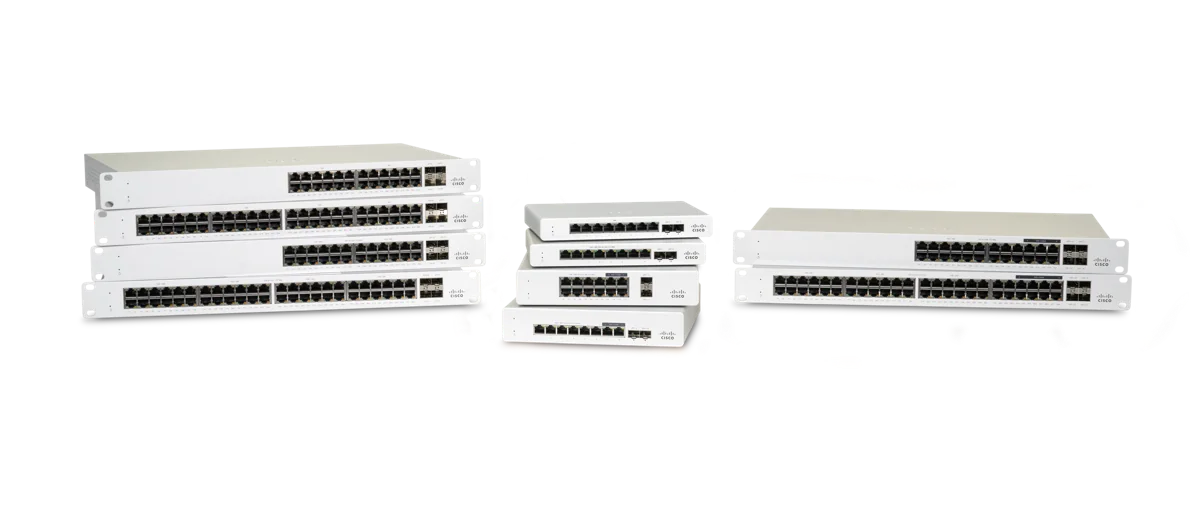
Related BTI service for this area.
Your next step
Bring your current inventory, site plans and the problem you want solved. Review the design, itemized proposal, installation and support scope with BTI Communications Group, LTD.
100% financing for parts, labor and licensing at 3.99% for five years.