Documented design
Define the operating requirements, infrastructure and acceptance checks before choosing the equipment or licenses.
Over 40 Years in BusinessISO 27001 compliantPublic sector: GSA contract holder
LA 562-298-5000 · Chicagoland 312-432-5300 · Phoenix 602-733-6807 · Client Support
DuPage County, served from our Downers Grove office
The useful AI work is often the work between your existing systems: gathering approved information, preparing a response, routing an exception and showing a person what needs a decision.
Professional offices, manufacturing, logistics, medical organizations and public-sector sites
Tell us the site or workflow, the current system and the outcome you need. Sales inquiries get a reply within one business day. We establish the appropriate discovery and proposal scope before implementation. Never send passwords, access codes, license keys or other credentials through the public form.
Prefer to talk? Call 312-492-2613.



GSA contract holder (47QTCA21D00BA). ISNetworld member. ISO 27001 compliant governance, independently reviewed through the TAG ISO 27001 Compliance Program.
Real BTI clients
These are BTI client reviews, not claims of projects in this service area.
BTI consistently solves IT challenges that our staff doesn't have the skill or time for. Their installation team is excellent and their support always makes sure all of our issues are solved.
BTI has been exactly what our growing company has needed for so long! They provide friendly, professional service and have consistently been willing to go above and beyond to ensure our complete satisfaction.
The entire team at BTI has exceeded my expectations. They took my company to the technology and security level I needed.
BTI Communications Group, LTD. combines guided AI automation, a co-managed environment and connected technology under one accountable plan. Start with one measurable workflow, define the boundaries, build and test the integration, then manage it as an operating service rather than an unattended demonstration.
BTI Communications Group, LTD. scopes, builds, integrates, governs and manages AI automation for organizations in DuPage County. Each BTI AI client gets its own hosted Azure tenant. The engagement defines data access, workflow permissions, human approval gates, evaluation, reporting and support before production use. BTI also coordinates the identity, network, business applications and communication systems the automation depends on.
The assessment addresses a defined installation, a problem to fix or an ongoing operational need. Professional offices, manufacturing, logistics, medical organizations and public-sector sites are considered through their actual site, information and workflow requirements, not through a generic package.
From engineering to continuing service
Define the operating requirements, infrastructure and acceptance checks before choosing the equipment or licenses.
Review equipment, labor, licensing, assumptions and exclusions together. Compare the complete scope rather than a headline price.
Test the agreed workflows, train your operators and document the configuration and escalation route.
| Service or system | Scope to confirm before implementation |
|---|---|
| Opportunity assessment and process design | Map the current work, systems, owners, volume, exceptions and cost of failure. Decide where ordinary rules are enough, where AI assistance helps and which actions must remain with a person. |
| Information retrieval and draft preparation | Scope access to approved knowledge and business records, source visibility and review. The assistant should expose uncertainty and escalate unsupported requests rather than fabricate an answer. |
| Workflow and application integration | Evaluate supported APIs and connectors, approved service identities, field mappings, error handling and the existing systems of record. Integration eligibility is confirmed before the build is quoted. |
| AI intake and communications | Consider bounded intake, classification, summaries, routing and draft preparation with a clear human handoff. External messages, commitments and sensitive changes need the agreed approval controls. |
| Security, governance and evaluation | Establish information boundaries, roles, logging, retention and representative test cases. Review false positives, missed exceptions, unauthorized actions and operating cost, not only a convincing demonstration. |
| Managed operations and improvement | Monitor workflow health, investigate failures, manage approved changes and reassess permissions and evaluation results. A model or connector update is an operational change that can require retesting. |
Follow a real transaction from input through completion. Establish source systems, accountable owners, what the automation may read, what it may propose and exactly which actions require approval. Define the baseline and the acceptance tests before choosing tools.
Itemize discovery, tenant and identity work, integrations, workflow build, evaluation, training and ongoing management. Identify usage-dependent cloud and model costs, third-party licensing, API restrictions and excluded systems.
Compare a manual improvement, deterministic automation and an AI-assisted workflow. Make the business case from observed work and agreed measures; do not guarantee savings, accuracy or autonomous completion from a vendor demonstration.
Build in a controlled environment with representative approved test data. Validate permissions, sources, exceptions, audit records and approval gates, then pilot with the named workflow owner before the production release.
Review failures, exceptions, quality, access and usage costs against the baseline. Document change ownership, incident escalation and a safe fallback so a broken integration does not silently abandon business work.
A DuPage proposal should identify the owner of each dependency: the tenant, property manager, internal IT team, carrier, application provider or BTI. A local office does not remove the need for circuit delivery, room access, approved maintenance windows or the right decision-maker at commissioning. Confirm whether the project affects one suite, an entire building or a multi-site standard. Document which tests can occur during occupancy and which need a separate window. When outdoor work is required, plan for access and weather constraints rather than advertising a generic completion promise.
| Buyer intent | How it enters the plan |
|---|---|
| New installation | Define the required result, system boundaries, site or data access, implementation plan and acceptance tests before purchasing. |
| Repair and service | Identify the actual fault, affected workflow and support status before proposing a replacement. |
| Maintenance | Agree on checks, configuration records, user or device changes, renewal ownership and corrective work in the service scope. |
| Upgrade | Review compatibility, lifecycle, capacity, security and migration requirements; retain equipment or configuration that remains suitable. |
| Takeover or switching provider | Confirm ownership, access, documentation, existing agreements and provider release requirements before changing operational responsibility. |
| Monitoring and management | Specify the alerts, operational owner, escalation, reporting and change approval included. Technical monitoring is not an unlimited response or arrival guarantee. |
Calls are taken in real time, and client emails get a reply within 15 minutes. Client alerts are triaged in real time by enterprise-grade AI agents, then escalated to human engineers in the 24/7 NOC/SOC.
| Approach | When it fits | What to compare |
|---|---|---|
| Improve the manual process | The workflow is inconsistent or the source information is not reliable. | Document ownership, simplify steps and fix the information boundary first. |
| Rules-based or AI-assisted automation | The task has a stable sequence or benefits from classification, retrieval or drafting. | A bounded integration with measurable tests, approval controls and error handling. |
| Managed AI workflow | The production process needs continuing supervision and change ownership. | Evaluation, access review, operating-cost visibility, incident handling and improvement. |
The quote identifies one-time work, recurring services, subscriptions, retained equipment, assumptions, exclusions and third-party responsibilities. A repair, phased upgrade and replacement should be compared against the same accepted outcome, not only an equipment price. Final cost follows discovery; no entry price, unverified saving or fixed completion time is implied.
100% financing for parts, labor and licensing at 3.99% for five years. Financing and the itemized scope can be reviewed with your consultation.
A service request arrives through an approved intake channel. The workflow classifies the request, retrieves only the records its service identity may access, and prepares a source-linked summary. A person reviews uncertainty, sensitive information and proposed commitments before approving the next step. The approved action is recorded in the actual system of record; retries are designed not to create duplicate work. An unsupported request or failed connector goes to a named human queue. This is a proposed operating pattern, not a statement that a particular local client has deployed it or achieved a measured saving.
Define an explicit stop or escalation condition for missing evidence, unexpected instructions inside source content, unauthorized requests and integration failures. Separate read access from write authority, use the organization's approved identities and document the human approval path for sensitive actions. A separate Azure tenant is not by itself proof of compliance or a guarantee about every model provider's data handling. Those requirements, contracts, retention settings and permitted services must be reviewed for the selected architecture before client information enters the workflow.
Operational continuity, shift handoffs and documented responsibilities.
Approved access, privacy and user workflows.
Procurement, retention and acceptance requirements defined by the organization.
DuPage planning is not a downtown Chicago project with the place name changed. Oak Brook and Lisle offices, Addison and Carol Stream industrial buildings, and public or medical facilities across the county have different occupancy, access and continuity needs. Projects are coordinated from BTI's Downers Grove office. Confirm landlord permissions, building access and the actual service address rather than assuming that a city name establishes county jurisdiction. Exterior installation and maintenance plans should account for seasonal conditions, safe access and the condition of the existing building systems.
The scenarios below are practical design considerations, not claims of named customers, completed local installations or measured savings.
An Oak Brook or Lisle firm could evaluate an internal knowledge summary or preparation workflow. Determine who owns the records, which staff can read each source and what must remain under professional review. A draft must not become a client commitment merely because a connector can send it. Define uncertainty handling and source visibility, and use approved representative material for the pilot rather than assuming the entire file store is suitable AI input.
An Addison manufacturer or Carol Stream distributor could assess request classification or an exception summary before considering permitted transaction updates. Map the authoritative fields, the person who approves changes and the way duplicate or failed requests are handled. Instructions found inside an attachment are source content, not authorization to change the workflow. Keep inventory, purchasing and production decisions within the agreed business controls.
A team split across Downers Grove, Naperville and Elmhurst may have inconsistent identities, file ownership and application access. Stabilize those boundaries before expanding an agent. Evaluate supported integrations and their licensing or API constraints, then assign an operational owner for failed connections and exception queues. A local support office is useful only if the workflow's data, approval and change responsibilities are documented and understood.
Review routine and difficult cases with the business owner: contradictory source records, a request beyond the user's role, a duplicate transaction, an unavailable connector and a changed policy. Score evidence quality, the proposed action and the human handoff. Measure rework and continuing cloud usage along with handling time. An illustrative pilot is not a claim of an existing DuPage client deployment or a guaranteed financial outcome.
Where we work: Downers Grove, Naperville, Oak Brook, Oakbrook Terrace, Lombard, Glen Ellyn, Wheaton, Elmhurst, Villa Park, Addison, Itasca, Wood Dale, Bensenville, Carol Stream, West Chicago, Warrenville and Lisle.
BTI Communications Group, LTD., 1441 Branding Ave, Suite 200, Downers Grove, IL 60515. This is the DuPage servicing office in Downers Grove.
The service agreement identifies the systems managed, named responsibilities, authorized changes, escalation and the boundary between remote work and an on-site visit. Sales inquiries get a reply within one business day; existing-client support uses the real-time call and 15-minute email commitments described above.
BTI Communications Group, LTD. serves Chicago and the surrounding suburbs. Pick your area for local services.
Chicago and Chicagoland businesses.
Western suburb businesses, served from our Downers Grove office.
Schaumburg corridor and Cook County northwest suburb businesses, served from our Downers Grove office.
North Shore and Lake County businesses, served from our Downers Grove office.
Joliet, Bolingbrook, Romeoville and Plainfield businesses on the I-55 corridor, served from our Downers Grove office.
Aurora, Batavia, Geneva and St. Charles businesses along I-88, served from our Downers Grove office.
Hammond, Gary, Merrillville, Portage and Valparaiso businesses, served from our Downers Grove, Illinois office.
Over 40 years of IT, security and communications work. Call 630-343-1322 for security or 312-492-2613 for IT, or book a free consultation.
Get a free consultationIt combines workflow design, approved integrations, access controls, evaluation and ongoing operational support. The service is responsible for the process and its exceptions, not only for supplying an AI tool.
Yes. Each BTI AI client gets its own hosted Azure tenant. Identity, information access, logging, retention and the permitted services still need a project-specific design and review.
BTI evaluates supported APIs or connectors, permissions, licensing and data requirements before committing to an integration. Not every application or action can be assumed available.
The approved scope defines permitted actions and required human approval. Sensitive messages, business commitments, payments and consequential changes should have an explicit review path appropriate to the workflow.
Establish the current volume, handling time, exception rate, quality and operating cost. Compare the pilot and production results against agreed acceptance criteria rather than promising an unverified percentage saving.
The design includes a named owner, logged error handling, a human exception queue and a fallback. Connector, policy or model changes may require retesting before continued production use.
BTI reviews the workflow, data permissions, architecture, integrations, evaluation evidence and existing agreements. Remediation, migration or managed operation follows that assessment rather than assuming the pilot is ready for production.
BTI serves DuPage County from its Downers Grove office. The proposal defines remote and on-site responsibilities, access and implementation windows for the actual system or workflow. No arrival-time guarantee is implied by the service area.
Start with the business outcome, the current inventory or workflow, the known problems and the authorized decision owner. Local discovery addresses tenant, building, carrier and operating-owner responsibilities before an itemized proposal.
BTI offers 100% financing for parts, labor and licensing at 3.99% for five years. Project-only, co-managed or fully managed scopes are evaluated for the actual system; the proposal identifies ongoing responsibilities. Calls are taken in real time, and client emails get a reply within 15 minutes.
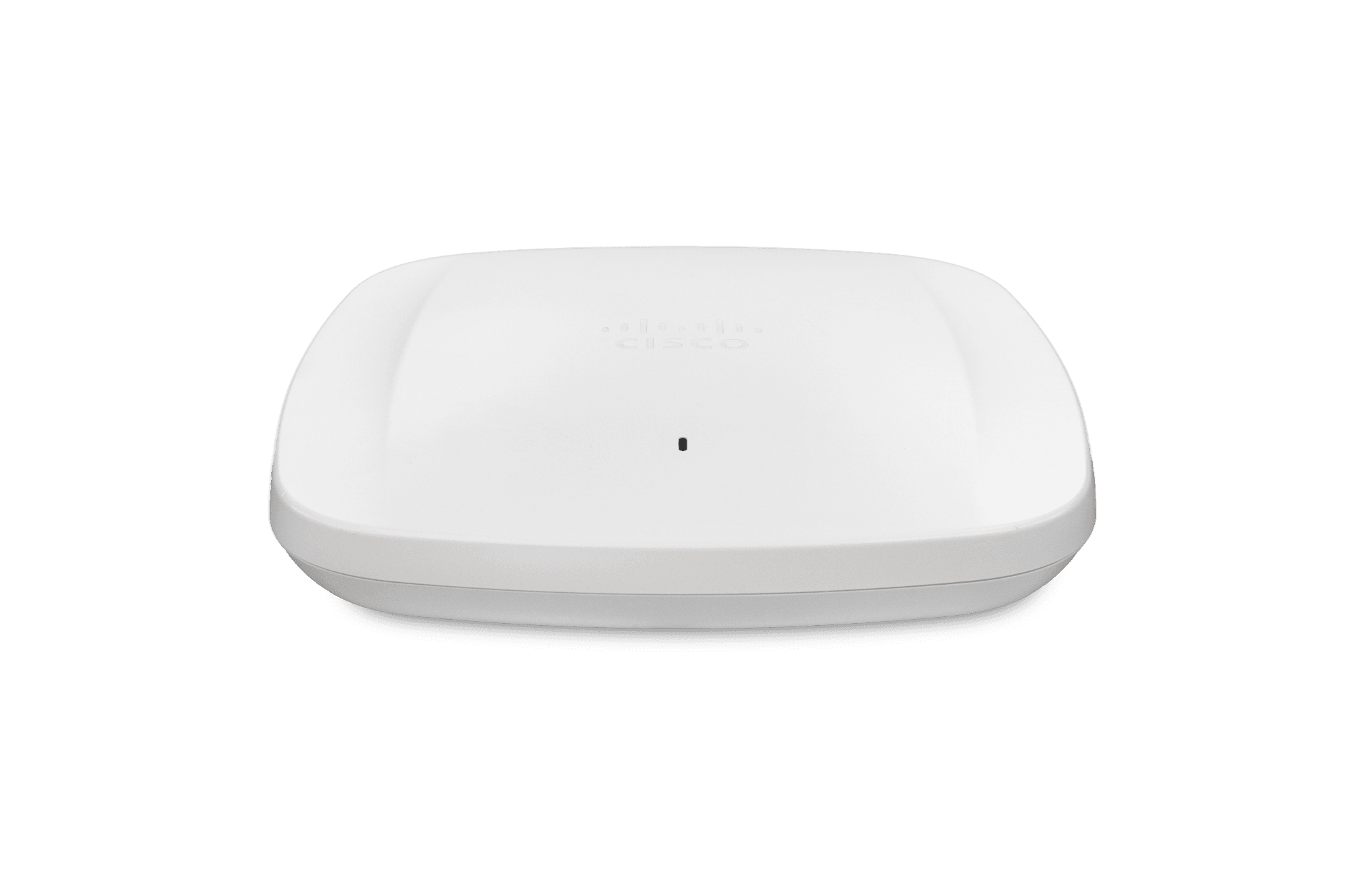
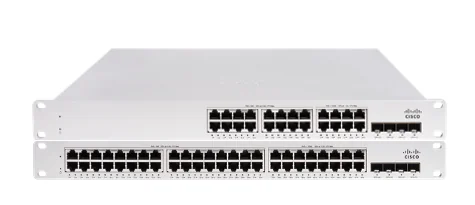
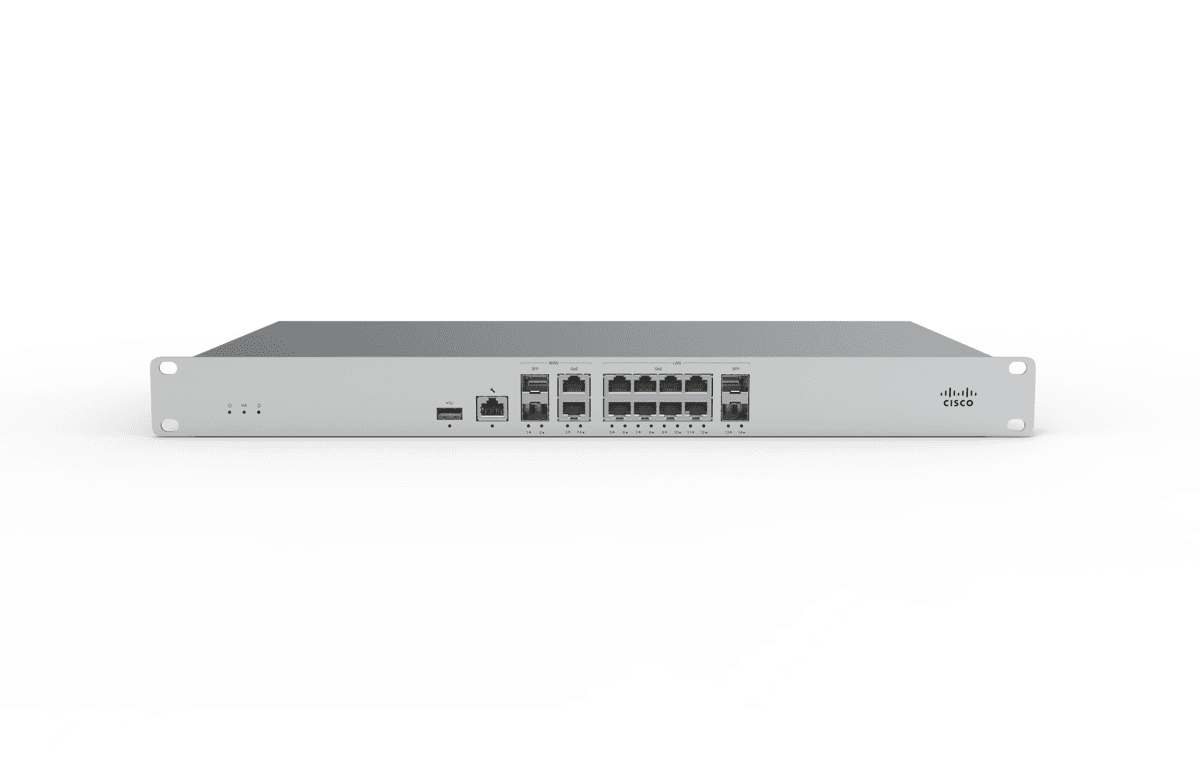
Bring the current system or workflow, your operating constraints and the outcome that would make the project worthwhile. BTI will establish the discovery needed to design, itemize, implement and support the agreed result. No credentials are needed in the public form.
Your next step
Bring your current inventory, site plans and the problem you want solved. Review the design, itemized proposal, installation and support scope with BTI Communications Group, LTD.
100% financing for parts, labor and licensing at 3.99% for five years.