Documented design
Define the operating requirements, infrastructure and acceptance checks before choosing the equipment or licenses.
Over 40 Years in BusinessISO 27001 compliantPublic sector: GSA contract holder
Phoenix 602-733-6807 · Also in Los Angeles & Chicagoland · Nationwide multi-site support · Client Support

Phoenix and Tucson, served from our Phoenix office
Phoenix and Tucson organizations get commercial alarm installation, service and takeovers from BTI, planned and supported from its Phoenix office, with remote and contractor-supported service in Tucson. A commercial intrusion alarm should match how your building opens, operates and closes. BTI designs, installs, services and upgrades business alarm systems, with monitoring and management options defined in the proposal. Start with doors, activity patterns and the people who must act when a signal arrives, not a residential equipment package.
For Arizona offices, warehouses, plants and multi-site businesses. Commercial only.
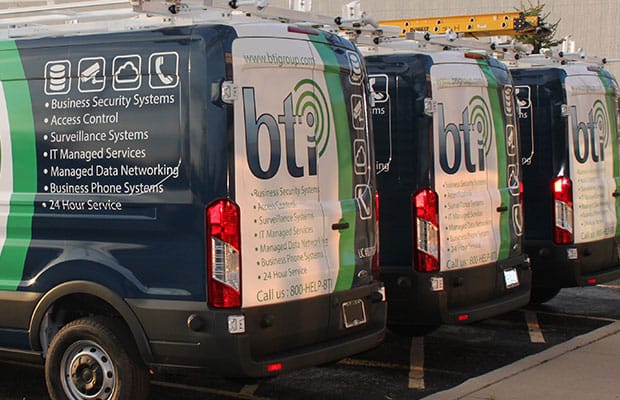
Sales inquiries get a reply from a BTI engineer within one business day. Managed support clients reach the team in real time by phone, and client emails get a reply within 15 minutes. Never send passwords, alarm codes, license keys or other credentials through the public form.
Prefer to talk? Call 480-291-8374.



GSA contract holder (47QTCA21D00BA). ISNetworld member. ISO 27001 compliant governance, independently reviewed through the TAG ISO 27001 Compliance Program.
Real BTI clients
These are BTI client reviews, not claims of projects in this service area.
BTI consistently solves IT challenges that our staff doesn't have the skill or time for. Their installation team is excellent and their support always makes sure all of our issues are solved.
BTI has been exactly what our growing company has needed for so long! They provide friendly, professional service and have consistently been willing to go above and beyond to ensure our complete satisfaction.
The entire team at BTI has exceeded my expectations. They took my company to the technology and security level I needed.
BTI Communications Group, LTD. designs, quotes, sells, installs, services and manages intrusion systems with DSC panels and Alarm.com options, then documents the zones, communication paths and monitoring responsibilities. Start with a new installation, a persistent fault, an upgrade or an existing-system takeover. The same team can coordinate the doors, cameras and network behind the alarm.
Arizona BTR Alarm Business 22913-0. Arizona ROC 331189 C-67.
An intrusion system uses a control panel, detection devices and a communication path to report selected events. Professional signal monitoring, staff notifications and equipment-health monitoring are different services. A well-scoped business system identifies protected areas, schedules, authorized users and escalation contacts. Video verification or access-control integration can add context when compatible and properly designed. This page concerns commercial intrusion protection, not fire alarm installation, inspection or testing.
Explore the Phoenix and Tucson technology and security hub and national Commercial Alarm services for the wider scope.
From engineering to continuing service
Define the operating requirements, infrastructure and acceptance checks before choosing the equipment or licenses.
Review equipment, labor, licensing, assumptions and exclusions together. Compare the complete scope rather than a headline price.
Test the agreed workflows, train your operators and document the configuration and escalation route.
The services below are selected and itemized after discovery. Product access, implementation and continuing operation are separate decisions.
Select panels, contacts, motion detection and expansion around the building and operating requirements. Existing wiring and devices are evaluated rather than assumed reusable.
Connect compatible equipment to remote administration and selected notifications. BTI is an Alarm.com dealer. Service features depend on the installed hardware and chosen subscription.
Where compatible and contracted, connect a triggered event to relevant video so an authorized reviewer has more context. Camera coverage, permissions and a defined review procedure still matter.
Separate areas or sites that open at different times. Create a documented process for issuing and removing user access, updating contacts and managing schedule exceptions.
Diagnose nuisance alarms, communication trouble and aging devices before deciding on repair or replacement. New and replacement systems use DSC and Alarm.com.
Start with a business outcome and finish with tested operation, documentation and an accountable support owner.
Identify entry points, valuables, working hours and the events you want to detect. Decide who handles opening and closing, who receives alerts and who can authorize a change to the system.
Inspect doors, wiring, detection locations, network and cellular conditions, power and existing equipment. Review activities that can produce nuisance signals, such as early deliveries or after-hours cleaning, rather than placing detectors from a floor plan alone.
Document zones, areas, users, communication paths and monitoring options. Clarify permit responsibilities and the escalation procedure. Separate installation costs, recurring service and any optional video or access-control integration.
Coordinate wiring and equipment placement with the building operator. Test device operation, communication and the contracted notification paths. Use an authorized test procedure so planned testing is not mistaken for a live emergency.
Teach designated users how to arm, disarm and handle trouble conditions. Provide a zone list, contacts and a support route. Confirm how staff changes and holiday schedules will be communicated.
Review nuisance events, batteries, communication changes and user records under the chosen service. Revisit protection when the layout, tenant, working hours or inventory changes. An installed alarm needs an operating owner after the technician leaves.
Choose the work needed now and the responsibilities that should continue afterward. A proposal should not use a broad service label to hide missing tasks.
BTI plans detection, wiring, panel locations and communication around the commercial space. The site survey distinguishes occupied areas, shared entrances and restricted rooms. Installation should end with tested zones, authorized users and written operating instructions, not just a keypad mounted on the wall.
Repeated trouble signals can come from batteries, a damaged contact, a communication fault or an operating change. Capture the panel message and affected zone before requesting service. A technician needs safe site access and an authorized testing arrangement to diagnose the issue without creating unnecessary alarm activity.
A maintenance plan can address batteries, device condition, communication health and user records. The exact work and schedule depend on equipment, environment and the agreement. Maintenance does not mean the building is guaranteed never to experience an intrusion, a fault or a false activation.
Give staff a simple route to report a trouble condition, user-access issue or recurring nuisance signal. Urgent threats belong with emergency services and the established alarm procedure. Technical support and professional alarm-signal handling are not interchangeable promises.
A communicator change, failing panel or expanded space may justify an upgrade without replacing every cable. Survey compatibility first, document any reused components and test the resulting system as a whole. Avoid unsupported promises that all existing devices can remain.
A takeover begins with panel identity, authorized programming access, monitoring details and current contractual responsibilities. Review communicators, user codes, zones and prior documentation before changing the reporting path. Agree the transition sequence and confirm tests so protection is not assumed during an incomplete transfer.
Choose signal monitoring and notification procedures explicitly. Name the contacts, verification steps and actions supported by the selected service. Dispatch and public-safety response depend on local requirements and circumstances; neither a notification nor a health-monitoring service guarantees an emergency response time.
Manage user turnover, schedules, site contacts and permissions as operating changes. A multi-site organization benefits from consistent naming and review, but each building can have different access and escalation needs. Put remote administration and reporting responsibilities in the service scope.
Keep an authorized record of zones, protected areas, panel and communicator models, service contacts and the chosen reporting procedure. Sensitive codes and programming information belong in a secure handoff, not in a public form or a printed sign beside the keypad. Identify who can add users and change opening schedules.
Before acceptance, test the agreed detection and communication paths under an authorized procedure. Review how trouble conditions, power issues and communication interruptions are reported for the exact design. Staff should understand the difference between a trouble message and a suspected intrusion, and who handles each one.
A takeover should include a transition checklist and confirmed contacts. The new service relationship is not complete merely because a replacement sticker has been placed on the panel. Existing obligations, equipment suitability and the permitted testing process need to be resolved so the business knows what protection and service it actually has.
| Situation | Usually the right move | What we check first |
|---|---|---|
| System works but nobody knows the codes or monitoring contract | Takeover | Panel make, installer codes, communicator and current monitoring agreement |
| False alarms or troubles from a few zones | Repair and service | Sensors, wiring, batteries and the communicator signal path |
| Old communicator or a panel that cannot be supported | Upgrade or replace | Whether DSC and Alarm.com can reuse existing sensors and wiring |
| New space or a buildout | New installation | Zones, areas, opening hours and who is authorized to arm and disarm |
New systems are built on DSC intrusion panels with Alarm.com services.
Repair is sensible when the fault is isolated and the equipment remains supportable. A takeover may preserve useful hardware while changing the service relationship. A replacement is more appropriate when compatibility, aging communications or a new operating model makes repair impractical. Compare installed capability and ongoing responsibilities, not just the monthly line item.
Building size alone is not enough to price an alarm. Door count, protected areas, wiring access, communication paths, reused equipment and monitoring choices all affect scope. Ask for equipment, labor, permits where applicable, recurring services and optional integrations as separate items.
Ask about 3.99% financing and the terms that apply to your proposal. Request an itemized scope so equipment, implementation and ongoing services can be compared clearly.
BTI offers 100% financing for parts, labor and licensing at 3.99% for five years.
Use this broader security checklist to organize your intrusion alarm assessment and its connections to doors and video. It is not a fire alarm scope.
Download the commercial security self assessment to prepare questions and scope before your assessment.
Published BTI educational material. Product availability, service terms and your written proposal govern the selected scope.

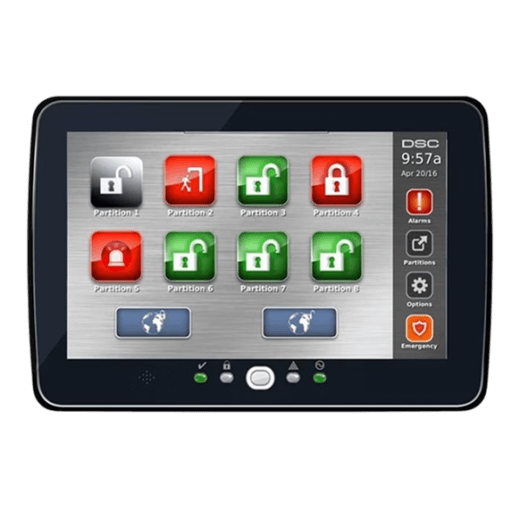
DSC PowerSeries Pro product photo. The selected panel configuration is itemized in the proposal.
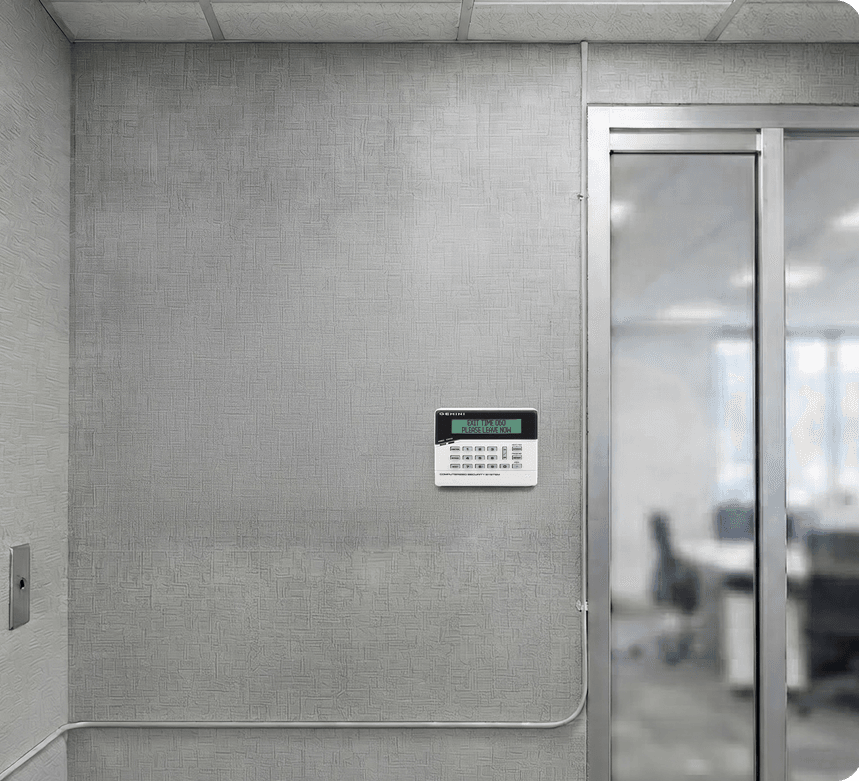
Alarm.com commercial keypad shown. Integration with cameras and doors is scoped for compatibility.
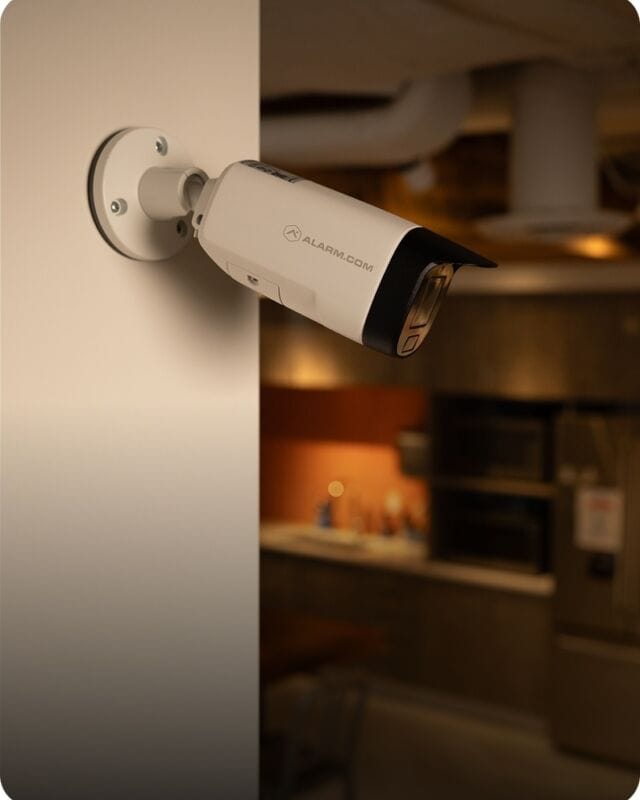
Alarm.com commercial camera shown. Video coverage and alarm functions have separate acceptance tests.
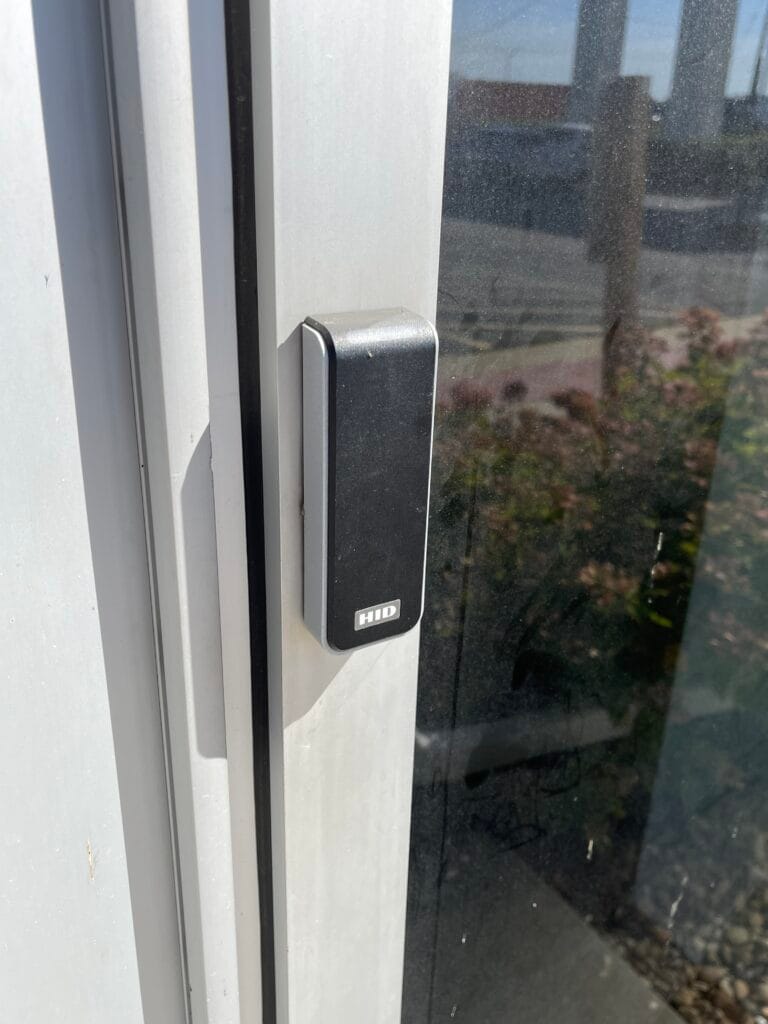
Product images are manufacturer or BTI field photos. The exact models are itemized in your proposal.
Consider a West Valley distribution center with a large warehouse, an office mezzanine and a yard where trucks wait overnight. The panel sits in a hot electrical room, its backup battery has never been replaced and monsoon storms knock out power several times each summer. This illustrative scenario shows why an Arizona alarm project has to account for heat and power, not only door counts.
Walk the building with the operations manager. Mark dock doors, personnel doors, the mezzanine office and the equipment rooms. Check the panel location, the age of each battery and how the system communicates. Ask how often power fails and how long outages last, because standby power and the communicator path matter most when storms hit.
Design partitions around receiving and office hours. Replace aging batteries, consider a cooler panel location where practical and test signal transmission on backup power. Confirm the contact list, escalation order and who may cancel an alarm. Witness a test with the site manager and document what each zone covers before signals move to the new arrangement.
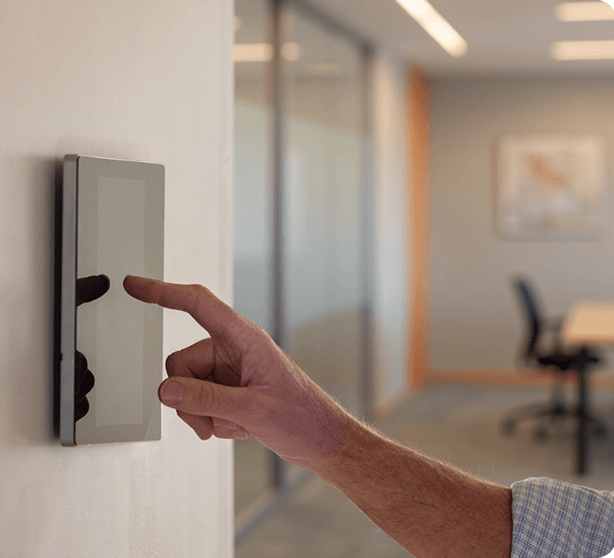
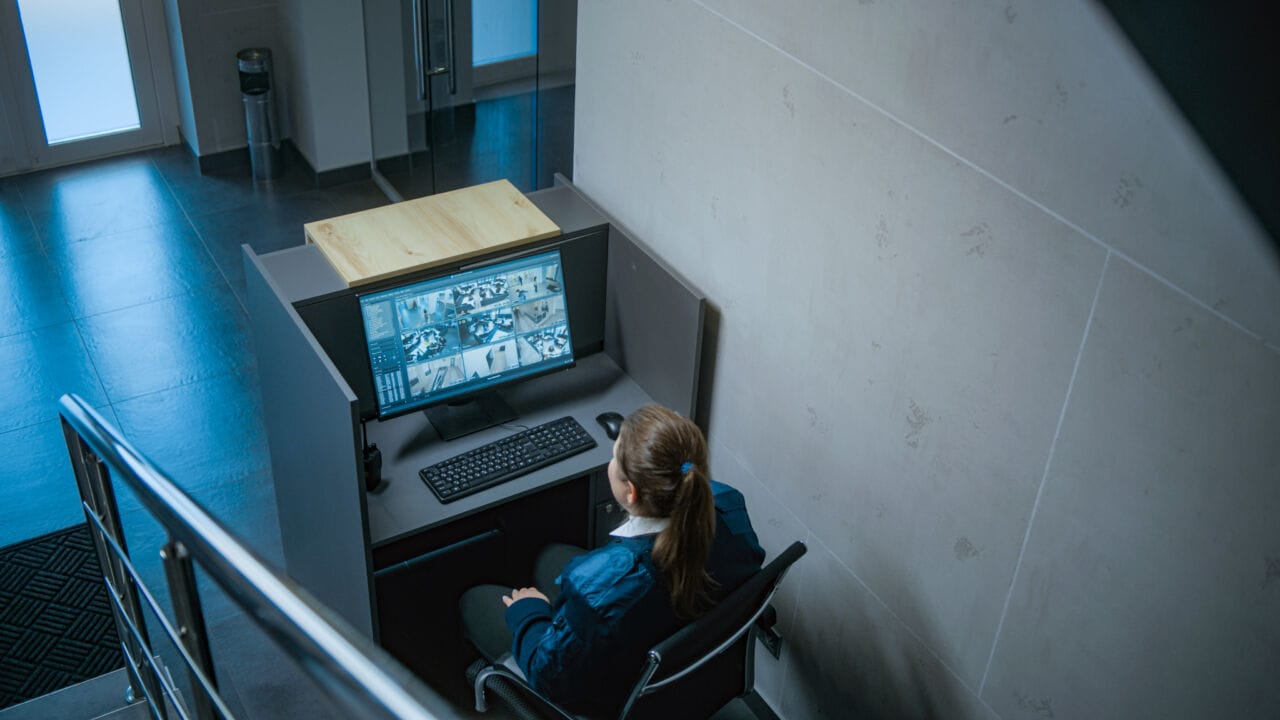
Ask how a system will behave in summer heat and storm outages before comparing prices. A useful answer depends on the building, the schedule and the signal path.
BTI's scope covers business intrusion with selected DSC and Alarm.com equipment, integration with cameras and access control where chosen and takeover of existing systems after review. It does not include fire alarm installation, testing or inspection. For a West Valley warehouse, the acceptance record should list zones, partitions, battery dates, communicator tests on backup power and the signed contact list. For a Scottsdale office suite, it should also show what building management controls.
Compare proposals on maintenance as well as installation. Ask who replaces batteries, how trouble signals are reported, who maintains user codes and whether city alarm registration applies at the address. For Tucson locations, confirm how service visits are scheduled, since BTI uses BTI-managed contractors there.
Distribution and logistics sites in the West Valley and near Sky Harbor need dock door coverage and partitions for late receiving. Manufacturers and semiconductor suppliers need protection for stock rooms and controlled areas. Construction companies need yard and office coverage for equipment that moves between jobs. Healthcare and professional offices need simple opening and closing routines. Retail operators need fast arming for closing staff. Each changes zoning, user codes and maintenance planning. Tucson sites are scheduled through BTI-managed contractors.
Related industry services: - Medical groups and medical offices - Manufacturing and supplier buildings - Distribution and logistics
Related industry security: Medical-office security, Manufacturing security and Logistics security. These links describe connected physical-security considerations, not services automatically bundled into this proposal.

Docks, yards, high bays and shift changes shape the design and the support plan.
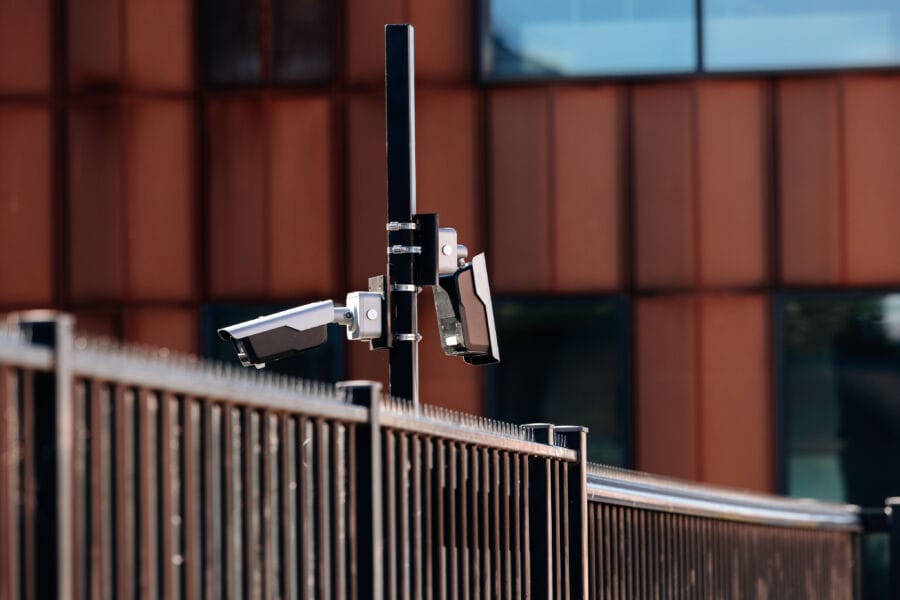
Production floors, equipment rooms and plant schedules decide when and how work happens.

Clinical schedules, patient areas and restricted rooms set the installation windows.
BTI's Arizona team works from an office colocated inside the Iron Mountain data center at 615 N 48th St, Suite 1048, in Phoenix, near Sky Harbor. Service planning includes central Phoenix, Tempe, Scottsdale, Mesa, Chandler, Gilbert, Glendale, Peoria and the West Valley. Tucson clients are served through BTI-managed contractors, with no BTI staff based in Tucson, and Phoenix engineers travel for projects. Most support is remote. Bring every site address and operating window so the proposal can separate remote work, planned visits and carrier or specialist responsibilities. No universal arrival-time guarantee is implied.
Calls are taken in real time. Client emails get a response within 15 minutes. Sales inquiries receive a response within one business day. These are response standards, not a promise of immediate repair, carrier restoration or engineer arrival at every site.
The service agreement defines the covered systems, escalation authority and work selected. For a project, agree cutover coverage and post-handoff responsibilities. For ongoing service, identify who handles users, configuration changes and outside vendors. Keep support requests on the established client route; the consultation form is for the next sales conversation.
615 N 48th St, Suite 1048, Phoenix, AZ 85008
Commercial Alarm line: 480-291-8374
Call to schedule; most work is delivered at your site or remotely.
Communities in the Phoenix metro and Tucson where BTI plans projects and support:
The answers below describe planning and scope. Your site assessment and written proposal determine the work selected.
Possibly. BTI first checks the panel, access authority, communication equipment, existing obligations and available documentation. Some systems can transfer with limited hardware changes, while others need a communicator or panel replacement. Suitability is confirmed before promising reuse.
No. Intrusion-signal handling, event-based video verification, continuous camera observation and system-health monitoring are different scopes. Your proposal should identify exactly what is being monitored and what action follows a signal.
Better placement, suitable detection and clear opening and closing procedures can address avoidable causes. No provider should promise that a system will never produce a false alarm. Review event history and site activity before changing equipment or rules.
No. This scope covers commercial intrusion alarms and related supported integrations. Fire alarm installation, inspection and testing are not services claimed on this page.
Compatibility and intended operation must be assessed first. A door event or video view can add useful context, but the design must specify permissions, equipment and response procedures. Integration is not assumed to be included with every alarm package.
Bring the site address, panel model if known, recent trouble messages, operating hours and current monitoring scope. Avoid sending user codes or sensitive access information through a public inquiry form.
BTI offers 100% financing for parts, labor and licensing at 3.99% for five years. Project-only, co-managed or fully managed scopes are evaluated for the actual system, and the proposal identifies ongoing responsibilities. Managed support calls are taken in real time, and client emails get a reply within 15 minutes.
Sales inquiries get a reply from a BTI engineer within one business day. Your first conversation confirms the site, the decision you need to make and whether a walk is needed.
Related BTI service for this area.
Related BTI service for this area.

Related BTI service for this area.
Your next step
Bring your current inventory, site plans and the problem you want solved. Review the design, itemized proposal, installation and support scope with BTI Communications Group, LTD.
100% financing for parts, labor and licensing at 3.99% for five years.
Use this form for a detailed scope. A BTI engineer replies within one business day.
BTI Communications Group, LTD. has served Phoenix since 2006. Pick your area for local IT, network and security services.
Phoenix and Maricopa County businesses, served from our Phoenix office on 48th Street.
Deer Valley and I-17 corridor sites, including semiconductor and advanced manufacturing.
Chandler, Tempe, Mesa and Gilbert tech and manufacturing sites.
Distribution centers and plants along Loop 303 and I-10 in Glendale, Goodyear and Peoria.
Manufacturing sites in Casa Grande, Eloy and Coolidge, supported from our Phoenix office.
Tucson, Oro Valley, Marana and Sahuarita businesses, supported from our Phoenix office.
Over 40 years of IT, security and communications work. Call 480-291-8374 for security or 480-272-8728 for IT, or book a free consultation.
Get a free consultation