



In the world of commercial security, door locks are more than just physical barriers, they’re a vital part of access control, compliance, and safety. The right hardware ensures your facility runs smoothly while protecting assets and people.
In this blog, BTI Communications Group will give you a breakdown of today’s types of commercial door locks, how they work, and which applications they fit best.
Key Takeaways
- Commercial door locks support more than security. They also play a major role in access control, safety, and operational consistency across business environments.
- Lock grades matter for performance and longevity. Use ANSI/BHMA grades to match hardware to traffic level—higher grades typically mean stronger durability for high-use doors.
- Electrified cylindrical locks are a practical choice for many facilities because they combine mechanical strength with electronic control and are often retrofit-friendly.
- Electric strikes and mag locks are common for controlled entry points. Strikes support remote release, while mag locks offer strong holding force and quick release for emergency egress.
- Biometric and smart locks add modern control and accountability. These options can help enable keyless entry, centralized management, and audit trails that support compliance needs.
- Wireless locks simplify upgrades when running cable is difficult. They’re especially useful for retrofits, multi-tenant spaces, and buildings where minimizing disruption is a priority.
- The best lock depends on the door and the risk. Consider traffic, security level, code requirements, and budget to choose the right solution for each opening.
What are Commercial Door Locks?
A commercial door lock is a locking mechanism designed to protect corporate environments. Unlike residential locks, commercial door locks often include advanced locking mechanisms, enhanced features, and stronger construction materials to provide long-lasting durability and elevated security for demanding business environments.
Understanding The Different Types of Commercial Door Lock Standards
Commercial door locks are manufactured in different grades that indicate their durability, construction quality, and level of security.
These grades are standardized by the American National Standards Institute (ANSI) and the Builders Hardware Manufacturers Association (BHMA). Together, these organizations establish benchmarks that help businesses and property managers select door hardware that meets the security and performance needs of their facilities.
Protecting your organization’s premises, employees, and assets is critical to maintaining a strong security posture. For this reason, selecting heavy-duty commercial door locks that align with your company’s operational and compliance requirements is an important decision. ANSI and BHMA standards play a key role in ensuring that commercial locking hardware meets strict expectations for reliability, durability, and protection.
BHMA certification verifies that a product has undergone testing for safety, reliability, and performance. ANSI standards, on the other hand, define the specific performance criteria that locking hardware must meet in the United States.
BHMA Commercial Lock Grades
| Grade | Description | Typical Applications |
|---|---|---|
| Grade 1 | The highest performance rating, designed for maximum durability and security in environments with heavy daily use. | Hospitals, schools, government buildings, airports |
| Grade 2 | Provides strong security and durability for locations with moderate traffic levels. | Small offices, apartment buildings, commercial suites |
| Grade 3 | Basic security rating typically intended for residential or low-traffic applications. | Residential properties, storage areas, light commercial use |
When selecting commercial locking hardware, organizations should evaluate several important factors, including expected traffic levels, security requirements, durability expectations, and overall budget. Although higher-grade locks often involve a larger upfront investment, they typically deliver greater longevity and stronger protection, making them more cost-effective over time.
The Different Types of Commercial Locks
Choosing the right commercial door lock is essential for maintaining a secure and efficient workplace. Different lock types are designed to meet specific security challenges, ranging from high-traffic entrances to restricted-access areas. Below are some of the most common types of commercial door locks and the roles they play in protecting commercial environments.
1. Electrified Cylindrical Locks
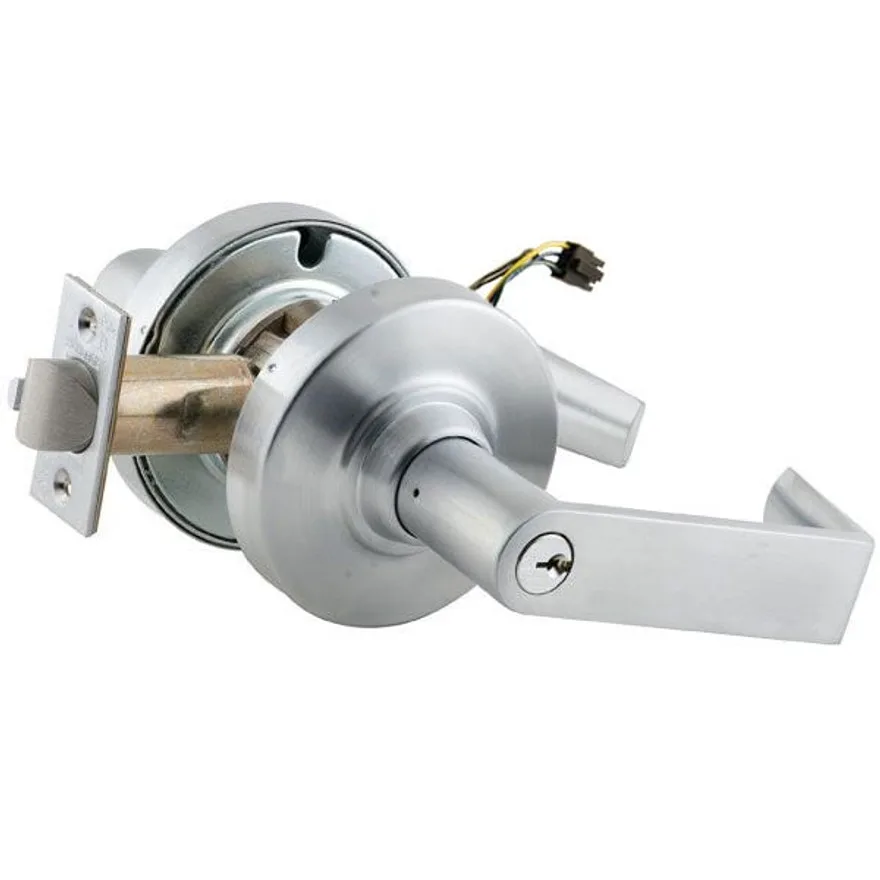
Electrified cylindrical locks blend traditional mechanical strength with electronic control, making them ideal for offices, schools, and healthcare facilities. They’re available as fail-safe or fail-secure and integrate easily with keypads or access control readers.
Why they work for commercial buildings:
• Retrofit-friendly — fits existing door preps
• Remote control via access systems
• Available in ANSI Grade 1 heavy-duty models
BTI’s Recommendation:
Our BTI top lock brands deliver high-cycle durability, precise engineering, and seamless compatibility with modern access systems — perfect for multi-door commercial deployments.
2. Electric Strikes
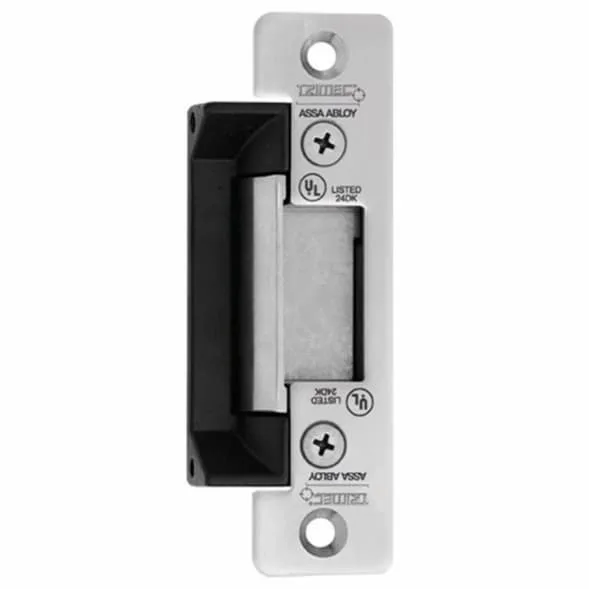
Electric strikes replace the doorframe’s strike plate, controlling the latch electronically. They’re a staple for controlled access points such as lobbies, secured offices, or intercom-entry areas.
Key benefits:
• Works with both fail-safe and fail-secure systems
• Allows remote release from a security desk
• Integrates with keypads, card readers, or door intercoms
BTI Brand Insight:
BTI partners with brands known for ANSI/BHMA Grade 1 certification, stainless-steel construction, and fast retrofit installation, ensuring durability and compliance across commercial facilities.
3. Magnetic Locks (Mag Locks)
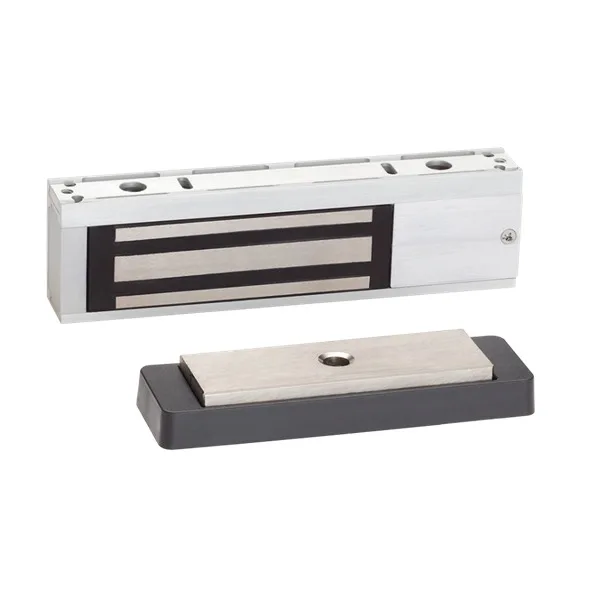
Mag locks use an electromagnet and armature plate to secure doors with up to 1,200 lbs. of holding force. When power or a signal is released, the door opens instantly — ideal for fail-safe and emergency egress.
Advantages:
• No moving parts → low maintenance
• Works on glass, aluminum, or specialty doors
• Instant unlock with access or fire-system signals
BTI Brand Insight:
Our mag lock partners provide features like bond sensors, LED indicators, and timers, perfect for corporate offices, healthcare, and government facilities requiring dependable, code-compliant security.
4. Biometric Locks
Overview:
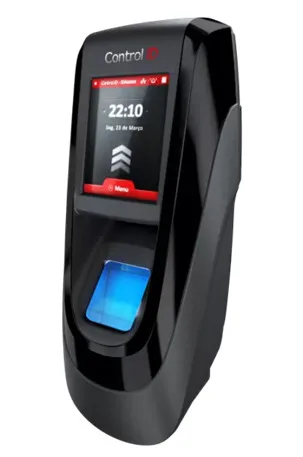
Biometric locks use fingerprints or facial recognition to identify users, eliminating keys or cards. They’re ideal for data centers, research labs, and restricted zones where accountability matters.
Commercial advantages:
• High-security, non-transferable credentials
• Audit trails for compliance
• Works with multi-factor access systems
BTI Brand Insight:
BTI partners with top biometric lock brands offering fast recognition speeds, encrypted data, and network integration, ensuring both security and convenience in high-risk environments.
5. Mortise Locks
Overview:
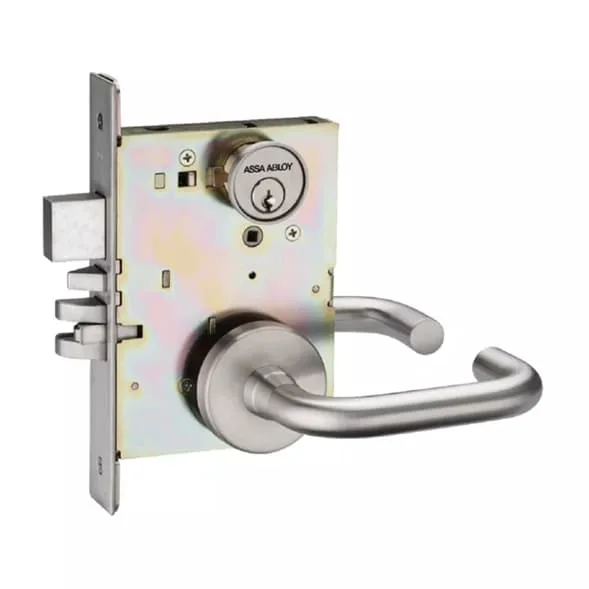
Mortise locks are built into the door cavity, providing unmatched strength and durability. They’re the go-to for high-traffic commercial doors like those in schools, hospitals, or government buildings.
Why they’re preferred:
• ANSI Grade 1 mechanical strength
• Integrated deadbolt for added protection
• Compatible with access-control trims
BTI Brand Insight:
BTI’s mortise lock brands are known for architectural-grade construction, combining aesthetic design with long service life — ideal for commercial facilities that demand both performance and visual appeal.
6. Smart Locks
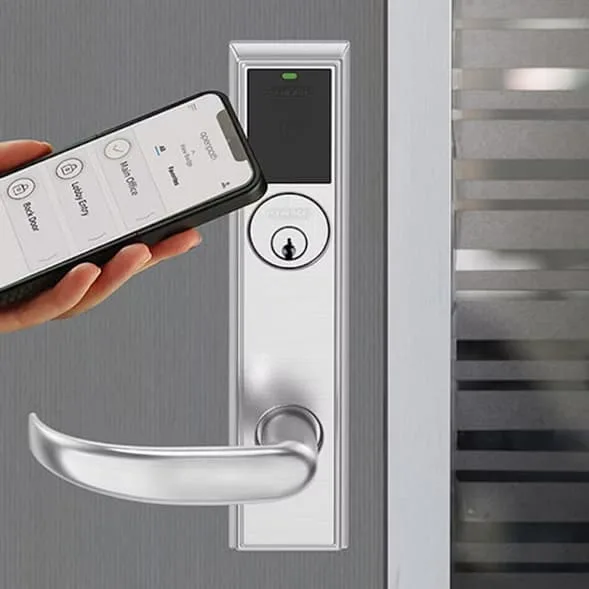
Smart locks bring network connectivity and remote access to door security. Using Bluetooth, Wi-Fi, or RFID, they enable keyless entry, audit trails, and centralized management — all from a secure platform.
Why they matter for businesses:
• Mobile or cloud control of doors and permissions
• Real-time audit logs for compliance
• Seamless integration with building management systems
BTI Brand Insight:
BTI partners with industry-leading smart lock brands offering encrypted connections, firmware reliability, and cross-platform compatibility, helping businesses modernize access management without sacrificing security.
7. Wireless Door Locks
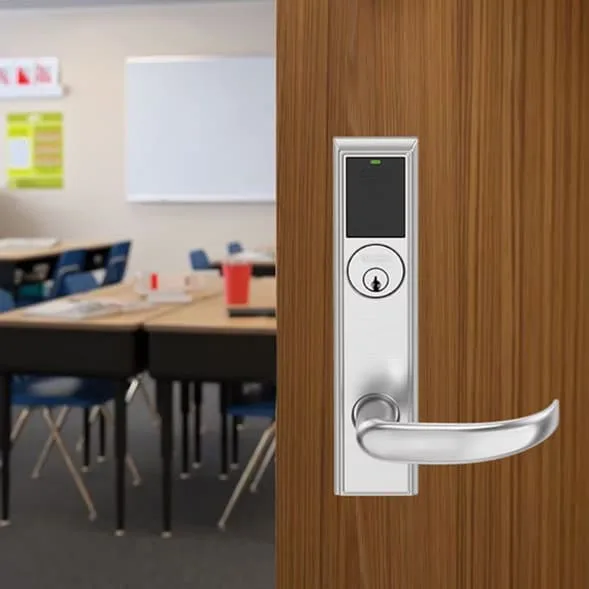
Wireless locks eliminate extensive cabling by using RF or encrypted mesh communication to connect with access control systems. They’re ideal for retrofits, heritage buildings, and multi-tenant spaces.
Advantages:
• Fast installation, no hardwiring required
• Battery-powered with long life
• Remote configuration and monitoring
• Reliable even during network outages
BTI Brand Insight:
BTI’s wireless door locks support secure AES encryption, battery status alerts, and offline functionality, making them both cost-effective and secure for modern commercial facilities.
Choosing the Right Commercial Door Lock Type
| Facility Type | Best Commercial Door Lock Type | Why it Fits |
|---|---|---|
| Standard Offices | Electrified Cilindrical | Easy retrofit, strong reliability. |
| Lobby or recepion | Electric Strike | Enables remote door realease |
| Glass Doors | Mag Lock | Clean look, fail-safe design |
| Data Centers | Biometric Lock | Personal identity verification |
| Schools/Hospital | Mortise Lock | Heavy duty, high-traffic use |
| Multi-site Enterprises | Smart Lock | Centralized cloud control |
| Retrofit or historic buildings | Wireless Lock | No wiring, fast deployment |
BTI’s commercial security specialists can help you design a customized and reliable commercial locking systems that fits your building’s security, compliance, and operational needs.
Why Partner with BTI Communications
With decades of experience in commercial access control and integration, BTI Communications Group delivers end-to-end business security solutions, from design and installation to maintenance and technical support.
We only work with BTI’s best types of commercial door lock brands known for quality, innovation, and long-term. performance, ensuring your investment provides consistent protection and smooth system interoperability.
Whether you are upgrading a single entrance or standardizing security across a campus, BTI delivers reliable commercial locking systems and access solutions built for performance, compliance, and longevity.
Secure Every Door with BTI’s Lock and Access Solutions
From electrified locks to smart wireless systems, BTI helps you identify the perfect commercial lock for your facility’s security, compliance, and operational needs. Discover how our experts can simplify your access control strategy and enhance safety across every entry point.