
Security system integration is the process of connecting separate security systems, such as access control, video surveillance, intrusion and fire alarms, intercoms, and building controls, into one centrally managed platform. Instead of switching between disconnected apps, your team sees events in context, responds faster, and maintains one source of truth for investigations and compliance. It matters most for multi-site organizations and regulated industries.
As your company grows, handling your security systems becomes more complicated. What started as a basic alarm and access control system can rapidly evolve into a complex network of security solutions within your organization. Handling multiple security systems separately can become a big and overwhelming task for security managers. Thankfully, security system integration makes managing your solutions easier by consolidating standalone systems into a unified framework.
Below we cover how integrated security systems work, which systems can be combined, the benefits, and how to choose a security system integrator.
What is Security System Integration?
Security system integration is the process of combining multiple security solutions into a single and centralized hub allowing you to manage your physical security solutions and other IoT devices from one place.
Standalone systems create blind spots: a door alarm in one app, the camera covering that door in another, and the visitor log on paper. Integration closes those gaps by letting systems share events and trigger each other automatically.

How Do Integrated Security Systems Work?
Modern security system integration relies on IP networks, open APIs, and IoT (Internet of Things) devices for data exchange among your security systems. A central platform, such as a VMS, a unified access control platform, or a PSIM, receives events from each system and applies rules: when a door is forced, pop up the nearest camera, sound a local alarm, and notify the right people.
Instead of managing multiple databases and platforms, integrated security systems enable streamlined operations through a unified system.
By leveraging security system integration, you can fully harness the power of IoT on your property, allowing efficient control over every aspect of building management to ensure a smooth and hassle-free experience.
What Systems Can Security Integrators Combine?
Security integrators can connect and simplify the management of all kinds of systems including:
- Smart Locks
- Intercoms
- Keypads
- Elevator Controls
- Lighting
- HVAC
- Appliances
- Burglar and Fire Alarms
- Security Cameras
Smart Locks
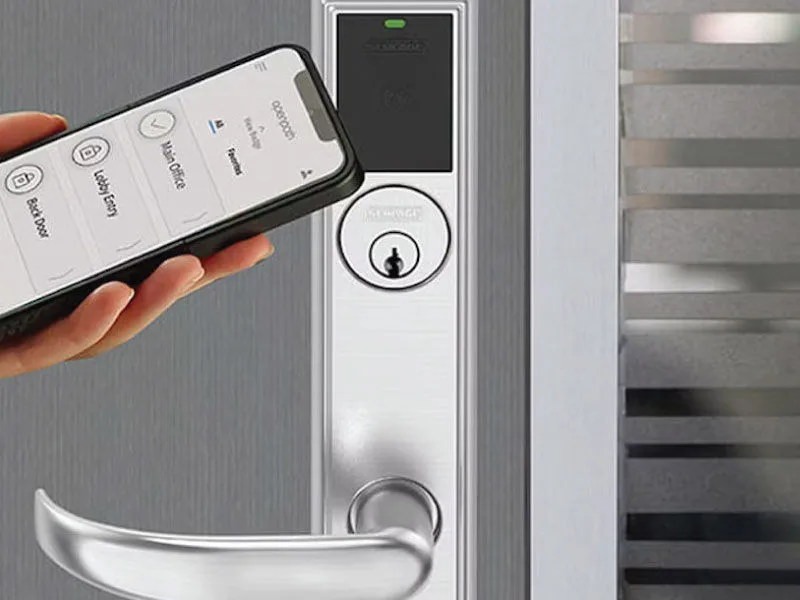
Integrating smart locks with a security system gives business owners more control, convenience, and peace of mind. Instead of dealing with lost keys or costly rekeying, smart locks let you assign digital credentials that can be added, changed, or revoked instantly. When connected to cameras and alarms, every door entry is tracked and verified with real-time alerts and video evidence, so you always know who’s accessing your property and when.
Business owners can also lock or unlock doors remotely, grant temporary access for deliveries or contractors, and even automate responses during emergencies, like locking down in a break-in or unlocking for safe evacuation in a fire.
Intercoms
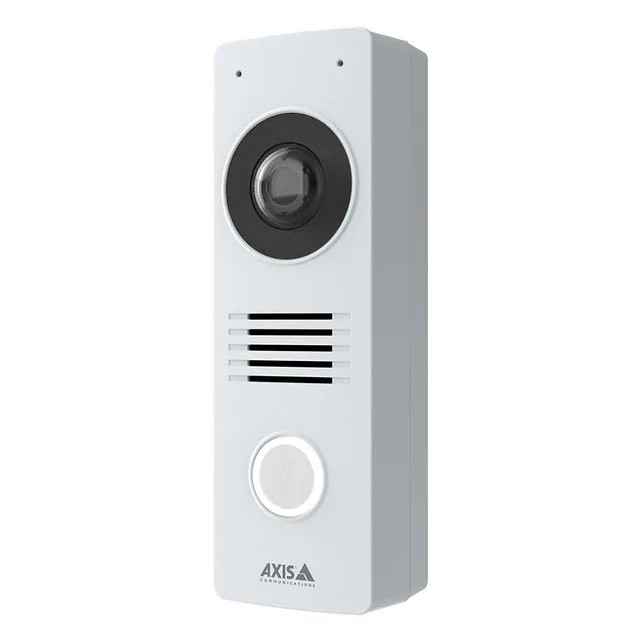
Effortlessly manage visitor access, allowing seamless communication and control from any location. Grant or deny entry remotely, enhancing both security and operational efficiency.
Keypads
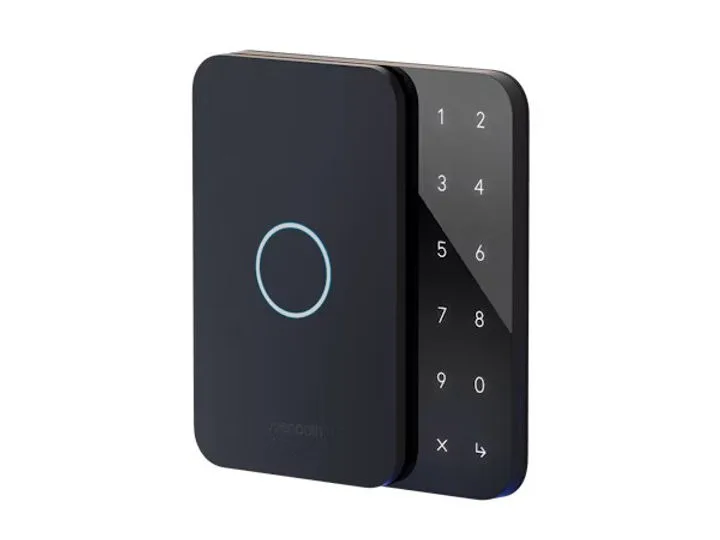
The integration of keypads into your business security setup creates a seamless and responsive defense, optimizing operational efficiency.
Streamline access control with a user-friendly interface, allowing authorized personnel convenient entry while maintaining a secure environment. Manage and monitor access codes remotely, ensuring heightened security across your premises.
Elevator Controls
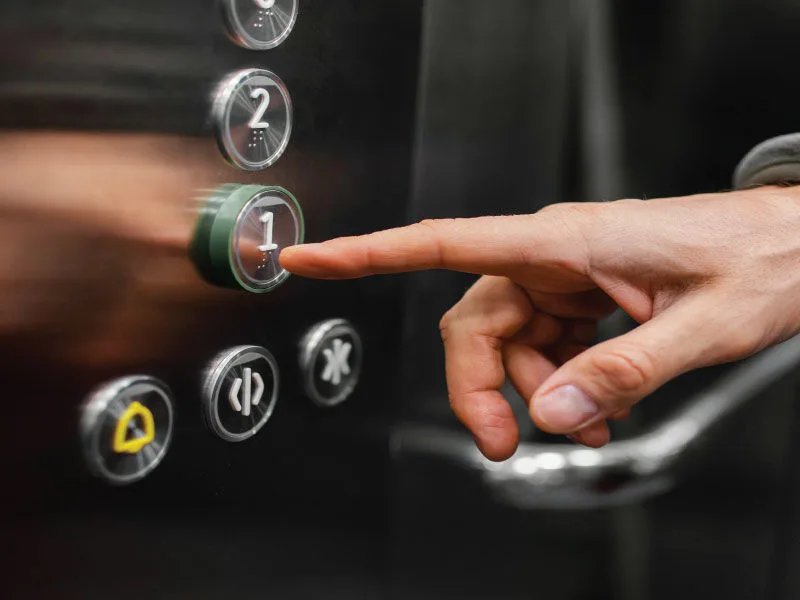
Remotely manage elevator access permissions, allowing for dynamic control over who can access specific floors or areas. The integration of elevator controls into your business infrastructure optimizes security, improves operational flow, and enhances the overall experience for employees and visitors!
Lighting

Achieve a heightened level of safety with strategically designed lighting that deters potential threats. Control and monitor lighting settings, allowing for real-time adjustments to respond to security events.
The integration of lighting controls into your business security infrastructure ensures a well-lit and secure environment, deterring unauthorized access and enhancing surveillance effectiveness.
HVAC

Integrate HVAC systems into your business for a comfortable workspace and cost savings through efficient energy use. Manage heating, ventilation, and air conditioning settings remotely, ensuring an ideal atmosphere for productivity and reducing costs.
Appliances
Gain the advantage of remotely managing and monitoring appliances, allowing you to maintain operational control and security from anywhere. Ensure that critical appliances are only activated when needed, reducing the risk of unauthorized use and potential security vulnerabilities.
Burglar and Fire Alarms
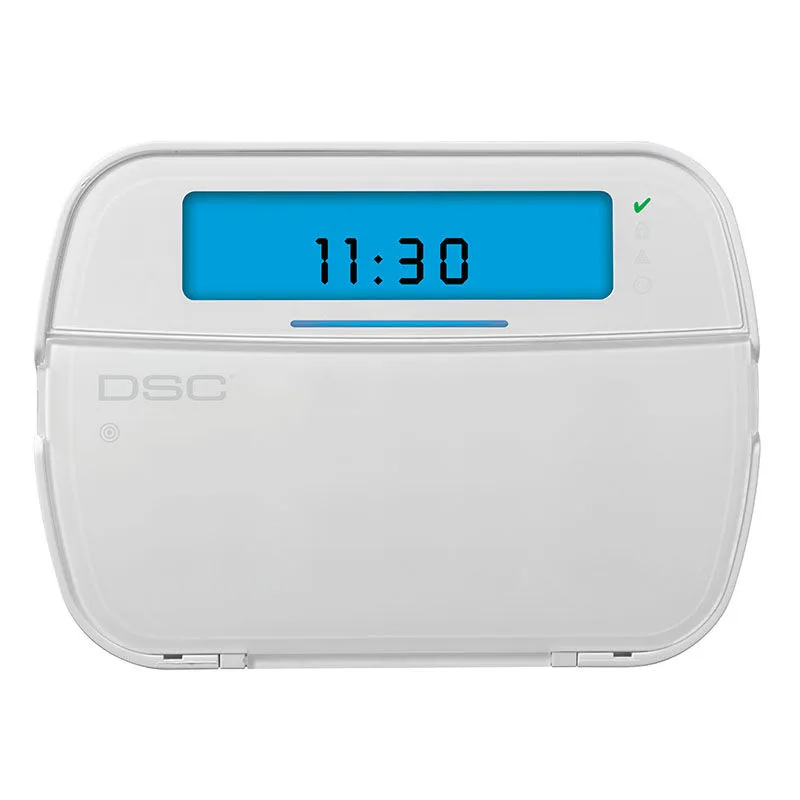
Integrate burglar alarm sensors, environmental sensors, camera analytics, access control readers and door sensors, panic and duress alarms, visitor and delivery management, parking management, and operational systems. By integrating security and safety measures, you get a proactive defense that keeps your business operational and secure.
Not only that, but you can also remotely manage your settings, make dynamic adjustments, and quickly produce reports and investigative findings should a situation occur.
Security Cameras
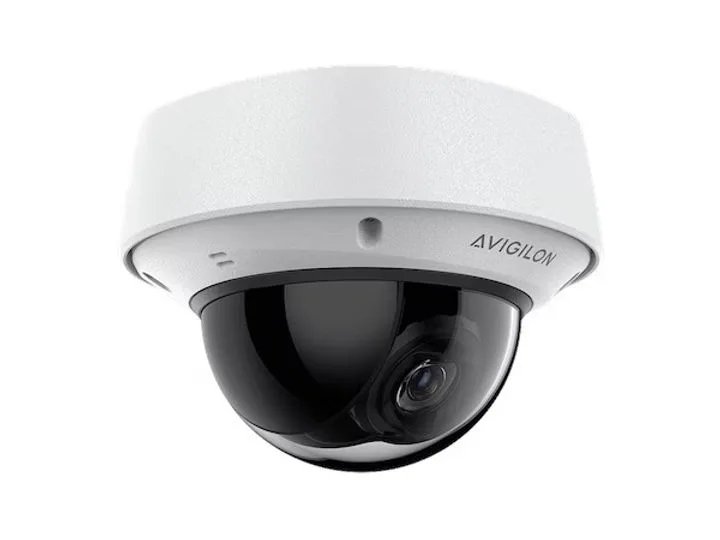
Modern cameras add real-time monitoring and analytics alerts, such as audio anomalies, improper emergency exit use, and doors propped open, so you can watch over your premises from anywhere.
The seamless integration of security cameras into your business security infrastructure ensures comprehensive surveillance, deterring potential threats and enabling quick response to security incidents while having visual cues.
Security System Integration Applied to Access Control and Security Cameras
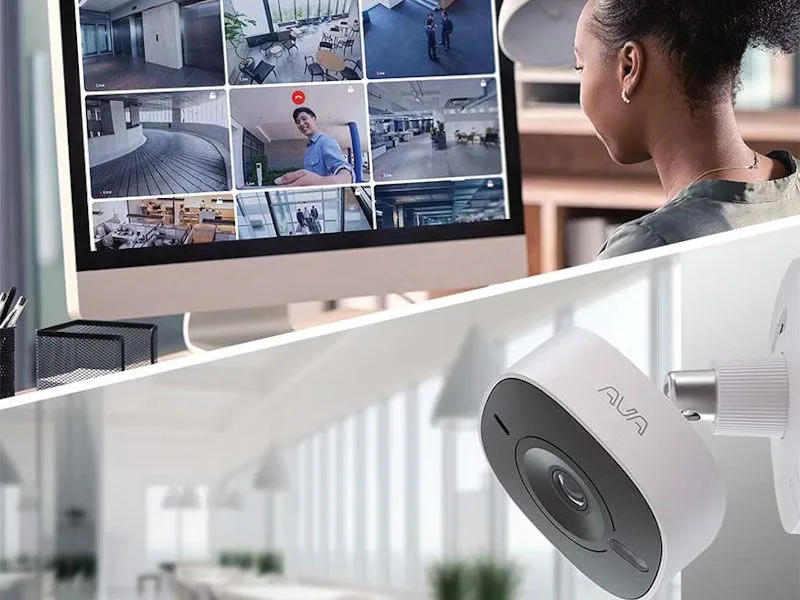
Access control and video are the most valuable pairing. Every badge swipe, denied entry, or forced door is linked to video of that moment, so investigators can verify who actually entered instead of trusting the card alone.
By integrating your security systems, you will empower your staff to effortlessly monitor, add, remove, and update without the hassle of handling separate systems. The result is faster investigations, fewer false alarms, and lower administrative cost. Read more about alarm communication redundancy to keep integrated alarms reporting when a line fails.
Integrated Security in Practice: Common Automations
| Trigger | Automated response |
|---|---|
| Door forced or held open | Camera pop-up for the operator, local sounder, alert to facilities |
| Denied badge at a restricted room | Video clip attached to the event, notification to security |
| Intrusion alarm after hours | Lights on, cameras switch to high-frame-rate recording, monitoring center receives video |
| Fire alarm | Egress doors unlock, elevators recall, mass notification triggered |
| Lockdown button | All exterior doors lock, intercoms announce, responders get live video |
The Importance of Security System Integration
Security system integration is crucial for your organization because it will allow you to:
- Save time and money on security personnel.
- Enable remote monitoring and screen out false alerts easily.
- Have access to better, more accurate data that allows your organization to improve its processes and save resources by optimizing and streamlining business operations.
Benefits of Integrated Security Systems
Integrated security systems offer numerous benefits for your business. Some benefits of security system integration include:
- Streamlined Security Management
- Increased Efficiency
- Effective Crime Prevention
- Increased Safety and Productivity
- Protection From False Claims
- Increased Customization
Streamlined Management
With integrated security systems, all your security needs can be conveniently managed from one centralized platform. No more jumping between burglar alarm systems, CCTV cameras, and access control to review incidents or make reports. It is all in one place, making business security management much easier.
But that is not all – security integrators also offer the added benefit of remote management, monitoring, and control. Many of these systems are compatible with smartphone apps and desktop programs, allowing you to access your surveillance cameras, review access reports, and receive customized alarm alerts even when you are not at work.
Increased Efficiency
Security system integration not only streamlines your business operations but also boosts your overall efficiency, With the latest integrated security system solutions, you can even leverage automation and IoT features to manage various aspects of your business.
Effective Crime Prevention
Integrated security systems allow you to create a holistic, proactive environment where threats are identified early, deterred by multiple layers, and contained before they become major incidents.
Combining multiple systems like cameras, access control, and alarms, not only discourages criminals, it also allows you to make faster data-driven decisions to boost security and compliance.
Increased Safety and Productivity
Integrated security platforms enhance security. At the same time, they enable faster check-ins for guests, secure access for employees and contractors, and easy monitoring of employee and visitor behavior. This not only protects people and property but also saves time, reduces stress, and helps employees stay focused.
Protection from False Claims
False and exaggerated claims are costly. The Coalition Against Insurance Fraud estimates that insurance fraud costs U.S. consumers about $308.6 billion a year, a figure also cited by the Insurance Information Institute.
Security system integration improves investigation speed and accuracy, enabling false claims to be documented and disproven quickly with verifiable evidence in surveillance footage, access logs, and alarm data that can be produced immediately and shared easily. Whether it’s a workplace injury, a liability dispute, or a customer complaint, having accurate records helps prove what actually happened and prevents fraudulent or exaggerated claims.
Increased Customization
Security Integration increases customization by allowing different security solutions, such as video surveillance, access control, intrusion detection, panic alarms, environmental monitors, and even cybersecurity tools to work together in ways that match the specific needs of a business. Instead of relying on disjointed solutions, integration lets organizations systematically control access, visitor management, reporting, alerting, and video recording to reduce risks, monitor workflows, and protect their work environment.
For example, access control can be linked with cameras so that when someone swipes into a restricted area, the system automatically records video of the entry or requires a dual authentication based on the circumstances. Intrusion alarms can be customized to trigger different responses depending on time of day, location, or user permissions. Businesses can also set up rules such as automatic lockdowns, real-time alerts to certain staff, or integration with building systems (like elevators, fire, HVAC, and lighting) for safety and efficiency.
This level of flexibility means security systems don’t just protect. They can be tailored to support safety, compliance, and productivity goals unique to each organization.
How to Choose a Security System Integrator
Choosing the right security system integrator is critical for your success. Choosing the right partner will have a direct impact on your safety, scalability, compliance, and long term success.
Here’s a breakdown of the main factors you’d want to consider:

Experience and Expertise
Choose a security integrator that has proven success within your industry. Ensure your security system integrators have experience combining multiple security solutions such as access control, video surveillance, paging and notification systems, and supporting organizations like your own. This demonstrates your integrator can provide a complete security integration to suit your needs.
Comprehensive Solutions
Ensure your provider provides end-to-end security integration services. An experienced security system integrator should be able to provide a seamless experience and help you every step in your integration journey.
BTI’s end-to-end security integration services are designed to help you in every step of the way. From consultation and design to installation, training, and ongoing support.
Proactive Support and Services
A professional security partner goes beyond fixing issues after they happen; they actively monitor, maintain, and update your systems to prevent downtime, vulnerabilities, and unplanned disruptions that could put your organization at risk.
With 24/7 monitoring, regular health checks, and rapid response teams, proactive support ensures your cameras, access controls, alarms, and cybersecurity measures work seamlessly when you need them most.
References and Reputation
Choose a partner with proven expertise and a good reputation. Ask for case studies and direct client references, check manufacturer partnerships, and make sure your integrator treats your business as its own.
Compliance and Risk Management
Make sure your security system integrators understand the regulatory compliance frameworks of your specific industry. Some common compliance frameworks include:
- HIPAA
- PCI
- GDPR
- CMMC
- TAPA
- Other sector-specific standards
Vendor Partnerships
Looking into vendor partnerships is a great way to audit your security integrator’s reliability. Leading security vendors such as Axis, Avigilon, and Cisco only certify or partner with integrators who meet their technical training, certification, and performance standards.
Some of BTI’s partnerships include:
Cost vs Value
Ensure your security integrator provides clear SLAs, itemized quotes, and no hidden costs. Pay close attention to practices like vendor-lock in, since these kinds of practices can negatively impact your scalability, flexibility, costs, and overall security.
BTI’s quotes are fully itemized, so clients know exactly what they’re paying for. This reduces hidden costs and eliminates vendor lock-in. Every proposal becomes a strategic tool, offering savings even if the client chooses a different provider.
BTI: Your Best Choice for All Your Security System Integration Needs
At BTI Communications Group, we believe that value isn’t just about paying less. It’s about getting more for what you spend. That’s why we design, install, and support integrated physical security systems that maximize operational effectiveness while minimizing waste and risk.
Unlike vendors who push proprietary tech or long-term contracts that benefit them more than you, BTI uses open-platform, best-of-breed technologies tailored to your infrastructure, goals, and budget.
Our fixed, transparent pricing and proactive support eliminate hidden costs, surprise service fees, and recurring license traps, so you get enterprise-grade protection without overspending or overcommitting.
BTI Communications Group has been in business for 40 years and has delivered integrated physical security since the 2010s. Explore our security system integration services and the full range of business security systems we design and support. For Illinois facilities, our commercial security Chicago team provides local design, installation, and service. You may also like our look at the business security benefits of Avigilon cameras.
Planning cameras or access control?
Talk to a BTI security engineer: LA 562-298-5070, Chicago 630-343-1322, Phoenix 480-291-8374. Over 40 years of security integration.
Frequently Asked Questions
What is security system integration?
It is the process of connecting separate security systems, such as access control, video surveillance, alarms, intercoms, and building controls, so they share events and are managed from one platform.
What are the benefits of integrated security systems?
Centralized management, faster incident response, fewer false alarms, stronger evidence for investigations and claims, and lower administrative cost.
What systems can be integrated with access control?
Video surveillance, intrusion and fire alarms, intercoms, elevator controls, visitor management, lighting, HVAC, and HR or identity systems.
How do I choose a security system integrator?
Look for proven experience in your industry, end-to-end services, proactive support, manufacturer partnerships, compliance knowledge, and itemized, transparent pricing.
Get a free security site assessment
Talk with a BTI security engineer about your cameras, access control, and alarms. We will walk your site, document what you have, and give you an itemized plan. Call 800-435-7284 or request your assessment online.