NDAA compliance for security cameras means your cameras, recorders, and their components are not made by Huawei, ZTE, Hytera, Hikvision, or Dahua (or their subsidiaries and affiliates), the companies named in Section 889 of the FY2019 National Defense Authorization Act. Section 889 bars federal agencies from buying this equipment and from contracting with companies that use it. Private businesses without federal contracts are not legally required to comply, but NDAA-compliant cameras reduce cybersecurity risk and keep government work open to you.
This guide explains what NDAA compliance is, who it applies to, how it connects to FCC rules, which brands are banned and which are compliant, and how to verify your cameras.
Understanding NDAA Compliance & Security Cameras

What Is NDAA Compliance?
The National Defense Authorization Act is passed annually to set the Department of Defense budget and policy. The John S. McCain NDAA for Fiscal Year 2019 included Section 889, which targets telecommunications and video surveillance equipment from five companies based in the People’s Republic of China, including their subsidiaries and affiliates.
A camera system is considered NDAA compliant when none of its cameras, recorders, or critical components (such as chipsets or OEM modules) come from those companies.
Who Has to Comply?
Section 889 is implemented in federal contracts through FAR 52.204-25 in two parts:
- Part A (effective August 13, 2019): federal agencies may not procure covered telecommunications or video surveillance equipment.
- Part B (effective August 13, 2020): federal agencies may not contract with any company that uses covered equipment, regardless of whether it relates to the federal contract.
That second rule is why federal contractors, and many of their subcontractors, now require NDAA-compliant cameras across their entire operations. Many state and local governments, schools, and grant-funded projects have adopted similar requirements.
The Importance of Achieving NDAA Compliance
The impact extends beyond federal agencies. Companies that use banned equipment can be disqualified from federal contracts, and prime contractors increasingly require compliance from their suppliers. Choosing compliant equipment now avoids costly rip-and-replace projects later.
NDAA Compliance & the Secure Equipment Act
The Secure Equipment Act of 2021 directed the Federal Communications Commission (FCC) to stop approving equipment from companies on its Covered List. Under FCC rules effective February 6, 2023, the FCC no longer authorizes new Huawei and ZTE equipment, and withholds authorization for Hytera, Hikvision, and Dahua video surveillance and telecommunications equipment unless the companies show it will not be marketed for public safety, government facility security, critical infrastructure, or other national security purposes (FCC). Previously authorized equipment can still be in use, but new models face significant restrictions.
NDAA Compliance & Cybersecurity
Cameras are network devices, and vulnerable cameras are a common entry point for attackers. CISA has issued advisories on critical vulnerabilities in some Hikvision cameras, including a command injection flaw (CVE-2021-36260) that allowed remote takeover of unpatched devices. Regardless of brand, CISA recommends keeping firmware updated, changing default credentials, and isolating cameras on their own network segment.
NDAA Compliance & Security Cameras
List of Banned NDAA Cameras
The following manufacturers, and their subsidiaries and affiliates, are covered by Section 889:
- Huawei Technologies Company
- ZTE Corporation
- Hytera Communications Corporation
- Hangzhou Hikvision Digital Technology Company
- Dahua Technology Company
Watch for white-label products: some cameras sold under other brand names have historically been manufactured by Hikvision or Dahua, or use their components.




List of NDAA Compliant Brands
Many manufacturers publish NDAA compliance statements for their camera lines. Brands that offer NDAA-compliant cameras include:
- Axis Communications
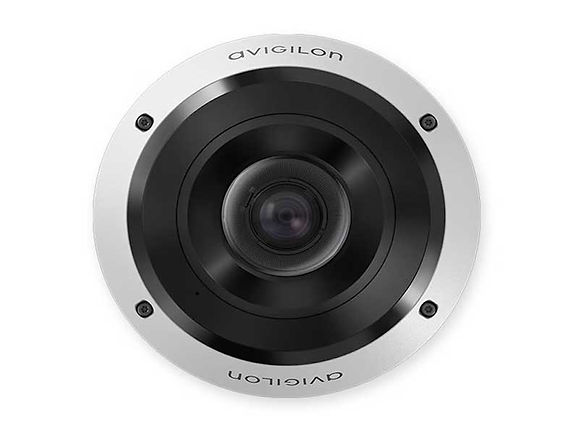
- Avigilon (Motorola Solutions)
- Pelco (Motorola Solutions)
- Bosch
- Teledyne FLIR
- Digital Watchdog (DW)
- BCD
- Speco Technologies
- Cisco Meraki
Compliance can vary by model line, so always confirm the specific model against the manufacturer’s current NDAA statement.








NDAA Compliance & Security Cameras: Recommended Models
Camera lineups change often (for example, Axis has since discontinued the P3719-PLE and P1455-LE models this article originally featured), so we recommend choosing by camera type and confirming the current model with your integrator.
Multisensor Panoramic Cameras (Axis P37 Series)
Several sensors in one housing cover a parking lot, intersection, or large room from a single mounting point, reducing installation and licensing costs compared with multiple cameras.
Bullet Cameras with Onboard Analytics (Axis P14 Series)
Outdoor bullets with low-light performance and AXIS Object Analytics detect and classify people and vehicles, reducing false alarms at perimeters and entrances. See top Axis analytics security features.
Cloud-Managed Dome Cameras (Cisco Meraki MV)
AI-powered indoor and outdoor domes with onboard storage and cloud management install quickly and let you monitor and prioritize events from anywhere. Learn more about Cisco Meraki MV cameras.
Explore affordable NDAA-compliant IP camera systems that protect your business and stay on budget.
How Does NDAA Compliance Affect Your Business?
If your organization has no government contracts and doesn’t plan to pursue them, you are not legally required to buy NDAA-compliant hardware. We still recommend it: compliant brands generally offer stronger security practices and firmware support, and using covered equipment can disqualify you from future federal work, grant-funded projects, and contracts with primes. Avigilon is one example of a compliant brand; see the business security benefits of Avigilon cameras.
How to Ensure My Security Camera Vendor Is NDAA Compliant
Check Your Camera’s NDAA Compliance Documentation
Leading manufacturers such as Axis, Motorola Solutions, Bosch, and Cisco publish NDAA compliance statements or model lists. Request the statement for every model and recorder you plan to buy.
Find the OEM Manufacturer of Your Cameras
Some cameras look compliant but are built by a covered company or contain covered components. Identify the original equipment manufacturer (OEM) and chipset supplier, and compare them against the Section 889 list and the FCC Covered List.
Ask Your Security Camera Integrator About NDAA Compliance
Reputable integrators track compliance requirements and can audit existing systems, document compliance for contracting officers, and plan phased replacement of banned devices.
BTI: The NDAA Compliance Security Camera Supplier Near Me
BTI Communications Group has been in business for 40 years and has delivered integrated physical security since the 2010s. We design, install, and maintain NDAA-compliant business security systems for organizations that work with government agencies or simply want secure, supportable cameras, and we can audit your current system for covered equipment.
Frequently Asked Questions
What makes a security camera NDAA compliant?
It contains no cameras, recorders, or critical components made by Huawei, ZTE, Hytera, Hikvision, or Dahua, or their subsidiaries and affiliates, as defined in Section 889 of the FY2019 NDAA.
Do private businesses have to use NDAA compliant cameras?
Not by law unless they hold or pursue federal contracts. Section 889 bars federal agencies from contracting with companies that use covered equipment, and many primes and state agencies require compliance.
Are Hikvision and Dahua cameras illegal to use?
No, previously purchased cameras are not illegal for private businesses to use. But they are banned from federal procurement, and FCC rules restrict authorization of new models.
Which camera brands are NDAA compliant?
Brands with NDAA-compliant lines include Axis, Avigilon, Pelco, Bosch, Teledyne FLIR, Digital Watchdog, Speco, and Cisco Meraki. Always confirm the specific model.
Get a free security site assessment
Talk with a BTI security engineer about your cameras, access control, and alarms. We will walk your site, document what you have, and give you an itemized plan. Call 800-435-7284 or request your assessment online.