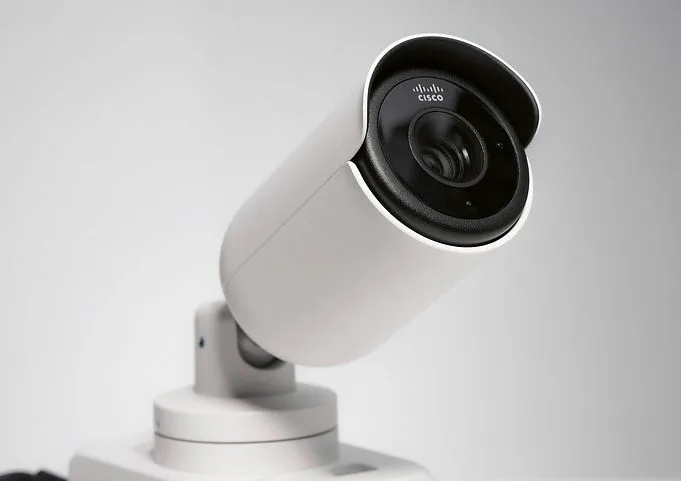



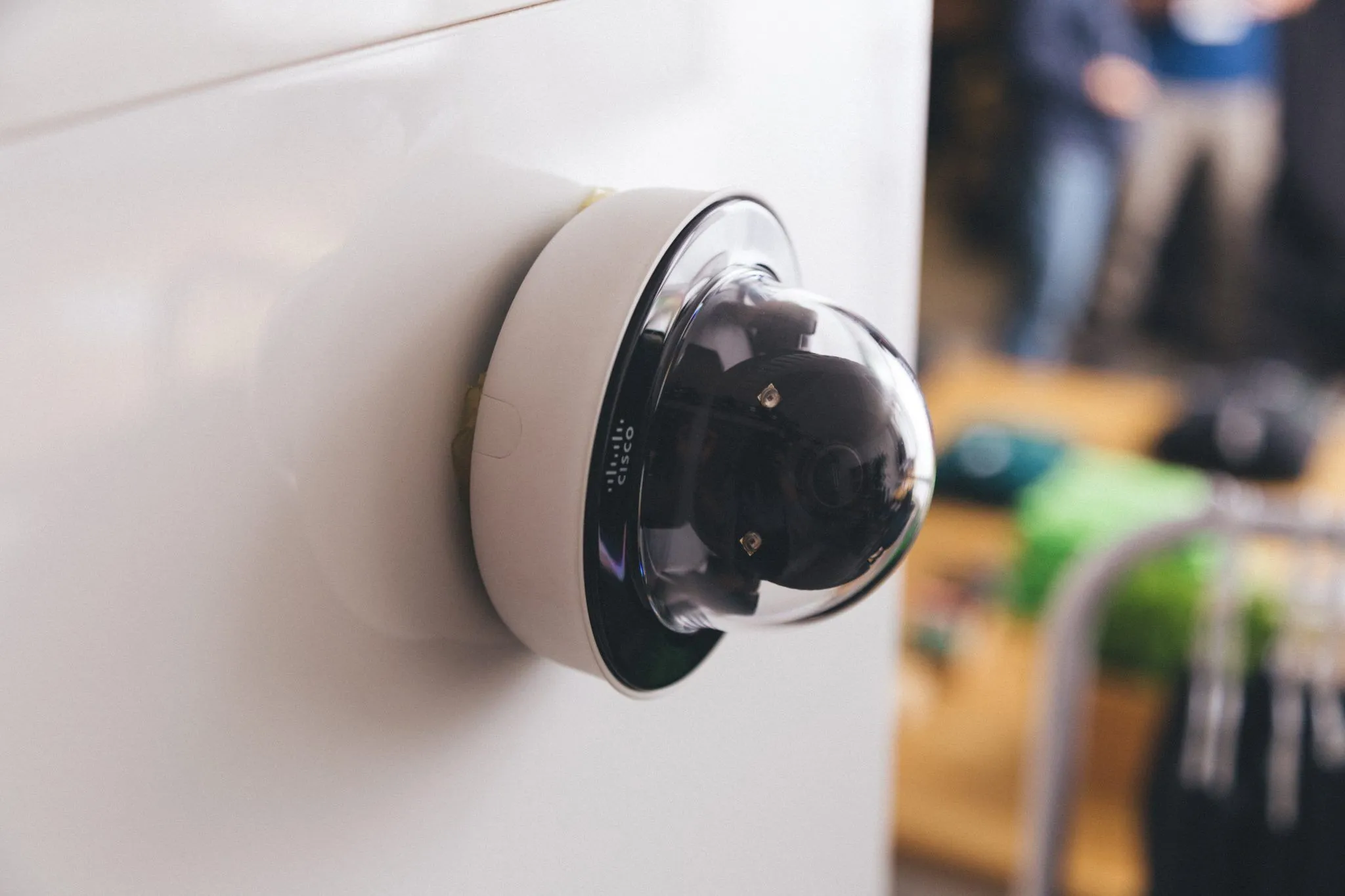
If your organization already uses Cisco Meraki for networking, wireless, switching, or security, expanding that environment into video surveillance can create another opportunity for centralized visibility and simpler management.
Cisco Meraki MV cameras provide a range of options for commercial video surveillance. And with Cisco’s support for compatible Axis Communications cameras through Axis Cloud Connect, supported Axis cameras can also be brought into the Meraki Dashboard alongside Meraki MV cameras.
For BTI Communications Group, that’s where the conversation becomes more valuable than a simple camera comparison.
The objective isn’t to choose Meraki MV or Axis first. The objective is to design a video surveillance environment around the facility, the use case, the network, retention requirements, cybersecurity, compliance, and how the organization will actually operate the system.
Choosing Between Meraki MV and Axis Cameras
A well-designed video surveillance system doesn’t necessarily need to use the same camera everywhere simply for the sake of standardization. Cisco Meraki MV may be an excellent fit for many locations and applications. Another scene may have requirements better addressed by a compatible Axis model.
When choosing between axis and Meraki mv the question shouldn’t be which manufacturer is better. The better question is: Which camera is better suited to this job?
What Should You Evaluate Before Choosing a Camera?
Camera specifications are only one part of the decision. Before equipment and licensing are finalized, organizations should understand what needs to be captured, how the footage will be used, how long it needs to remain available, and how the surveillance environment will fit into the rest of the technology infrastructure.
Coverage and Image Requirements
A camera specification on paper doesn’t necessarily tell you whether the recorded video will provide the information your organization actually needs.
Consider an exterior entrance, parking area, loading dock, warehouse, lobby, corridor, or other critical location.
- Do you need broad situational awareness?
- Do you need enough detail to investigate an incident?
- What distance does the camera need to cover?
- What happens after dark?
- How does the scene change with movement, shadows, glare, weather, or changing light?
BTI evaluates factors such as field of view, viewing distance, lighting, mounting position, environmental conditions, movement, and the actual purpose of the recording. The original design guidance also calls for evaluating representative footage under real lighting and movement rather than relying on a clear still image of an empty scene.
A camera that’s appropriate for broad situational awareness may not be the right camera for an area where more specific detail is required.
That’s why camera selection should start with what needs to be seen and why.
Video Retention
One of the easiest requirements to overlook is also one of the most important: How long do you actually need the video An excellent image doesn’t help an investigation if the required recording is no longer available.
Retention requirements should be established before equipment and licensing are finalized. The design should consider how long footage must remain available, whether continuous or motion-based recording is appropriate, the required resolution and frame rate, where recordings will be stored, and how important footage will be preserved beyond the normal retention window.
This is particularly important when Meraki MV and compatible Axis cameras are being considered together.
The fact that both camera types may appear in the Meraki Dashboard does not mean their recording architecture, storage options, licensing, or retention capabilities are identical.
BTI evaluates retention against the actual requirement. If an organization requires a particular retention period at a specific recording quality, the design should answer two questions clearly:
- How long will the footage remain available?
- At what recording quality?
Those answers should be established during design, not discovered after an incident.
Management and User Experience
Camera hardware is only part of the user experience. Security, IT, facilities, and operations teams also need to consider what happens after the cameras are deployed.
For example:
- How will users view video?
- How quickly can they find an event?
- Can they search for relevant activity?
- What alerts are available?
- How will footage be exported?
- How will multiple locations be monitored?
For supported Axis integrations, Cisco documents capabilities that include historical playback, video export, person- and vehicle-filtered event search, motion alerts, and motion heatmaps under applicable licensing.
However, every camera, license, and deployment model should not automatically be assumed to provide an identical experience.
A capability available on a camera and a capability available through the Meraki Dashboard should also not automatically be treated as the same thing.
Camera, licensing, and management experience should be evaluated together.
The workflow should support what the organization actually needs to do: generate or identify an event, locate the relevant recording, review the necessary details, and export the footage when required.
Network and Cybersecurity Requirements
Modern IP video surveillance does not operate in isolation.
Cameras are network-connected technology.
They depend on switching and Power over Ethernet. Video traffic affects bandwidth and network design. Remote management involves identity and cybersecurity. Cloud-connected capabilities depend on connectivity. Multi-location deployments add another layer of operational complexity.
For an organization already using Cisco Meraki, camera planning may therefore include evaluating:
- Switching and PoE capacity
- Segmentation
- Bandwidth
- Connectivity
- Cybersecurity requirements
- User access
- Remote management
- Monitoring
- Documentation
- Lifecycle planning
For multi-location organizations, the conversation can also extend to consistent technology standards, permissions, retention policies, support, documentation, and visibility across locations.
The camera may be mounted on the wall or ceiling. But it is still part of the technology environment.
Compliance and Organizational Requirements
Camera selection may also involve cybersecurity, privacy, procurement, regulatory, insurance, or internal policy requirements.
Those considerations should be addressed during design rather than after equipment has already been purchased.
Depending on the organization and application, requirements may affect equipment, licensing, storage, configuration, user permissions, access controls, operating procedures, retention, and applicable certifications or procurement restrictions.
That means the right question is not simply, “Is this camera brand compliant?” The appropriate question should be, “Does the proposed deployment satisfy the requirements that apply to our organization, this location, and this use case?”
A centralized management dashboard can be valuable.
It does not replace proper requirements analysis.
New Installation, Replacement, or Expansion?
The same design principles apply whether you’re installing cameras for the first time, replacing an aging surveillance system, or expanding an existing deployment.
For a new installation, BTI can help define coverage, infrastructure, retention, operational, cybersecurity, and support requirements from the beginning.
For a replacement project, the assessment should go beyond simply exchanging old cameras for new ones. Existing camera locations, cabling, network capacity, power, storage expectations, and the transition from the existing system should all be considered.
For an expansion, new cameras should complement the existing environment and deliver consistent operational outcomes.
That may mean adding more Meraki MV cameras.
It may mean using compatible Axis cameras for specific applications.
It may mean using both.
The goal isn’t standardization for its own sake.
The goal is to create a video surveillance environment that works as a system.
More Choice. Centralized Visibility. Better Design.
The ability to bring compatible Axis cameras into the Cisco Meraki environment expands the options available to organizations considering Meraki for video surveillance.
That’s valuable, but more options also make good system design more important.
Businesses should evaluate the camera, the scene, the network, management experience, licensing, retention, cybersecurity, compliance, and long-term operational requirements together.
That’s the BTI difference.
We aren’t simply asking, which camera do you want?” We’re helping answer: “what does your organization need this entire environment to accomplish?”
For organizations already using Cisco Meraki, that can mean building physical security into the same broader technology strategy, while selecting the camera technology that best fits each requirement.
More choice. Centralized visibility. Better design.
Why BTI for Meraki + Axis Video Surveillance?
A video surveillance system touches more than cameras. It involves the network, cybersecurity, connectivity, access, retention, system management, and the people responsible for supporting it.
That’s where BTI brings a unique perspective.
BTI works across both IT and physical security, helping organizations design the camera environment as part of the broader technology ecosystem rather than as a standalone security project. For Meraki customers, that means BTI can evaluate how Meraki MV and compatible Axis cameras fit alongside the network infrastructure, cybersecurity requirements, cloud management, and other physical security systems already in place.
For multi-location organizations, BTI can also help establish consistent technology standards, visibility, documentation, and support across locations.
The result is not simply a camera installation. It’s a video surveillance environment designed to work with the rest of your technology.
Talk to BTI About Your Video Surveillance Environment
Considering Cisco Meraki cameras for a new installation, replacement, or expansion?
BTI Communications Group can help evaluate Cisco Meraki MV and compatible Axis cameras around the requirements that actually matter: what you need to see, how your team needs to use the system, network infrastructure, video retention, cybersecurity, compliance, multi-location standards, and ongoing support.
Because BTI works across Communication, IT and Security Services, we look beyond the individual camera to understand how the complete technology environment needs to work together.
With core markets in Los Angeles, Chicago, and Phoenix, BTI supports organizations nationwide and beyond, including multi-location organizations that need consistent technology standards, security, visibility, and support across their operations.