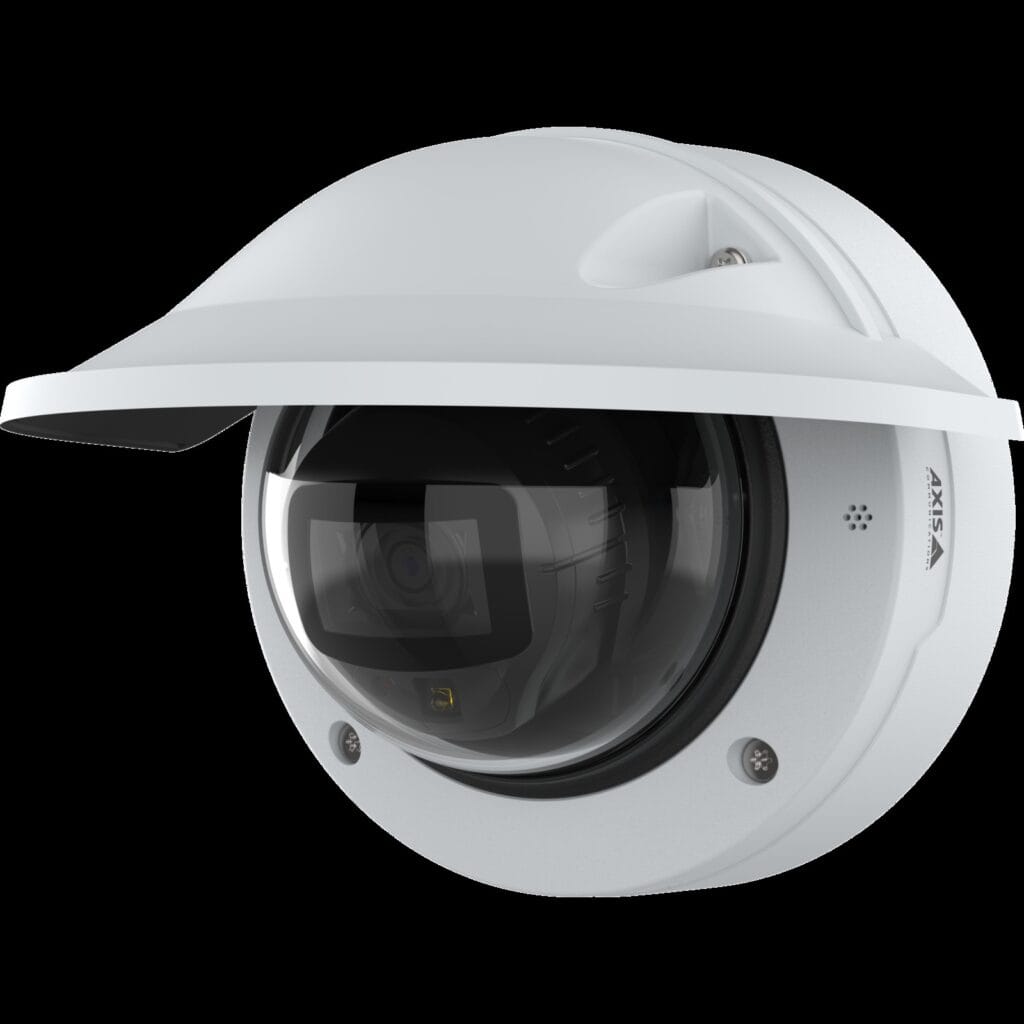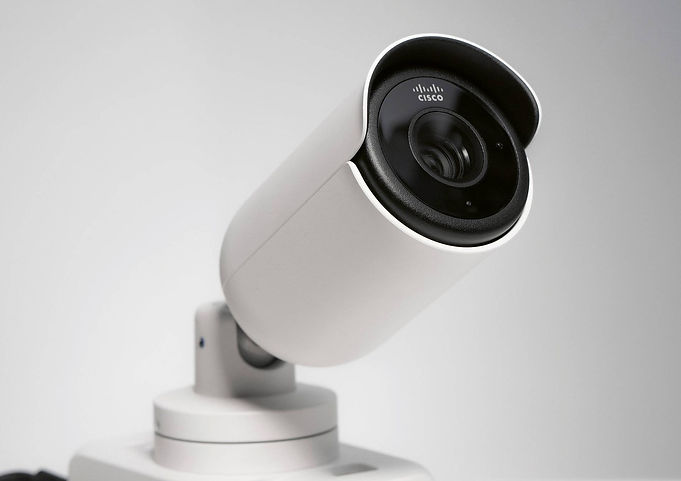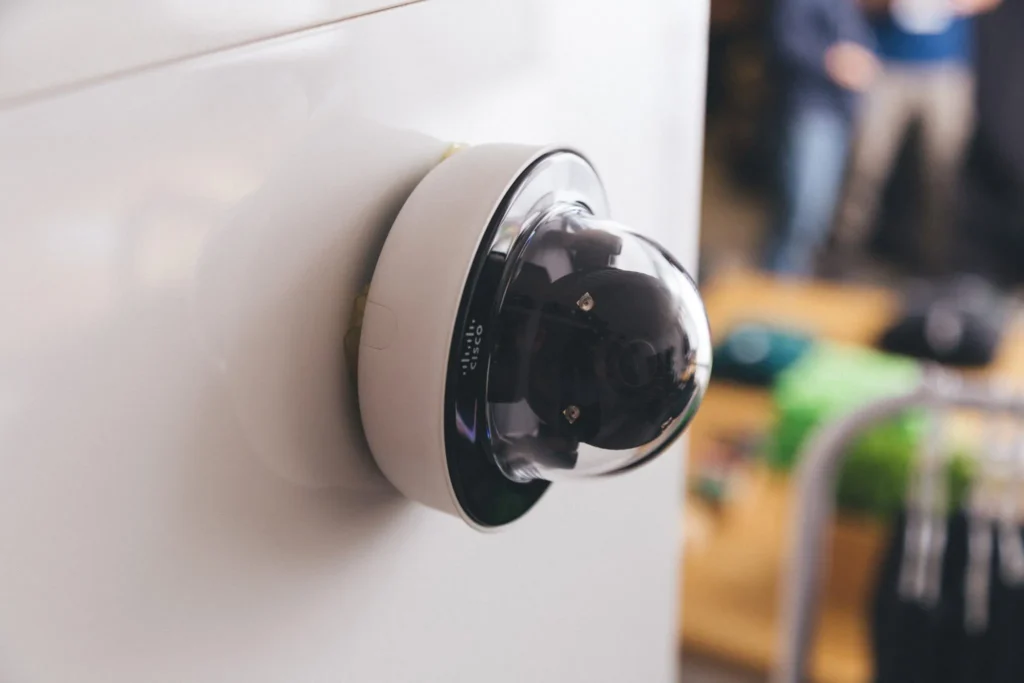
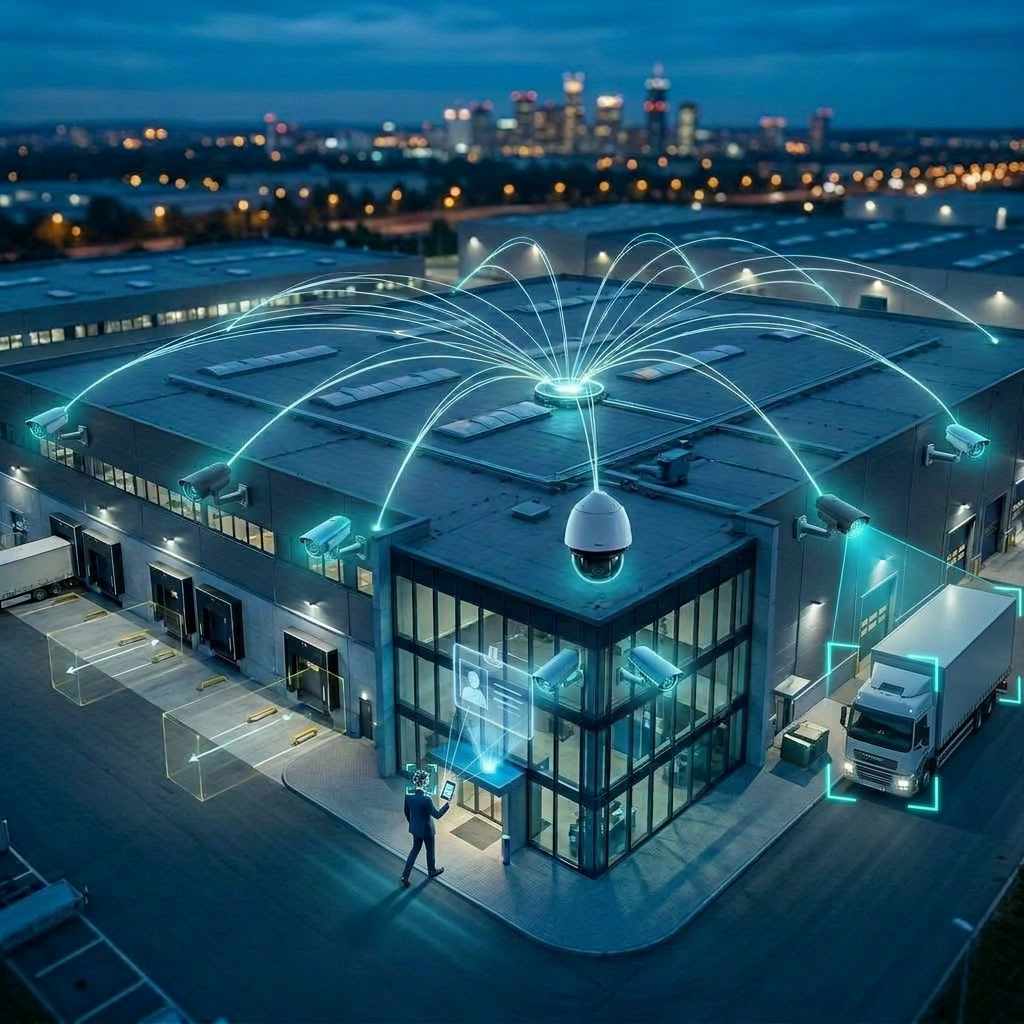
Axis Camera Installation & Design: Work with an Axis Gold Partner for Secure, AI-Driven Systems
In the world of enterprise security, anyone can sell you a box. But in 2026, that box is no longer just a camera. It’s an intelligent sensor, a cybersecurity endpoint, and a node in your identity and operational infrastructure.
As a premier Axis Gold Partner and Distributor, BTI Communications Group sees the same costly mistake repeated: businesses invest in high-end Axis cameras but skip the most critical phase: solution design aligned to converged security and AI-driven operations.
Whether you are securing a corporate office, logistics facility, healthcare campus, or multi-site enterprise, the difference between a “working” system and a resilient, intelligent security environment comes down to how the system is architected from day one.
ISC West 2026 Confirmed It: Cameras Are Now Intelligent Infrastructure
At ISC West 2026, Axis reinforced a major industry shift:
- Cameras are no longer passive recording devices
- They are AI-powered edge processors
- They are part of IT network architecture
- They are increasingly integrated with identity systems and access control
- And they must be deployed within a converged security framework
This aligns directly with what BTI has been building: converged physical security, cybersecurity, IT infrastructure, AI automation, and identity management.
The Problem with “Plug-and-Play” Security in an AI-Driven Environment
Buying Axis hardware from a generic reseller might save a few dollars upfront, but in today’s environment, it creates compounded operational and security risk.
Without proper design, organizations consistently face:
- Improper Field of View (FOV), where cameras fail to capture usable facial or evidentiary detail
- AI misconfiguration, leading to false positives or unusable analytics
- Network bottlenecks caused by high-resolution and AI-processed video streams
- Storage and retention failures that create compliance issues
- Cybersecurity exposure from unmanaged or unprotected devices
- Disconnected identity systems that prevent correlation between access control and video
This is what we call blind-spot liability, and in 2026, it extends far beyond physical security into cyber, operational, and compliance risk.
Download BTI’s Axis Communications Security Architecture Guide
Compare Axis cameras, Axis Camera Station, cloud VMS, access control, 2N intercoms, audio, radar, AI analytics, installation, integration, and managed support. Download BTI’s guide to plan a stronger Axis security architecture before you buy.
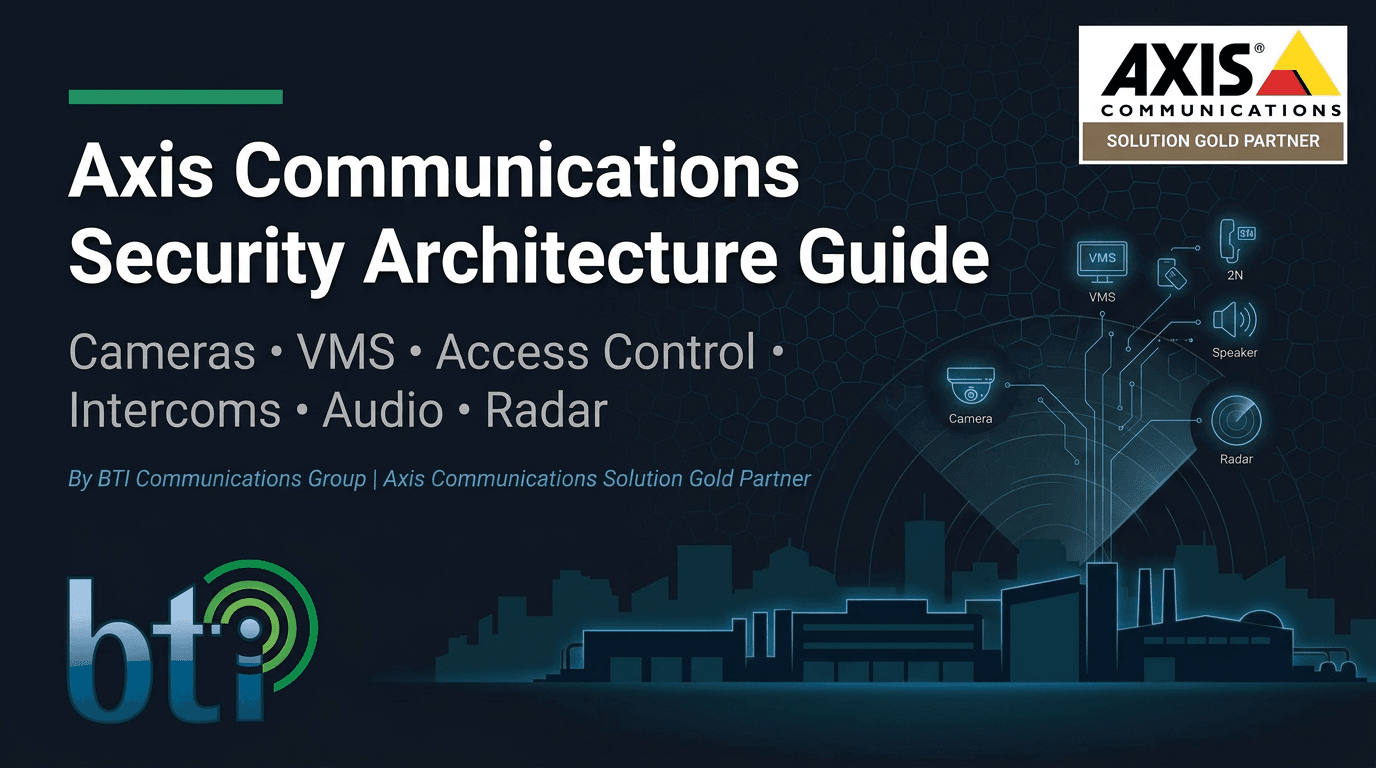
Axis Communications Security Guide 2026: Cameras, VMS, Access Control, Intercoms, Audio & Radar
Watch BTI’s Axis Communications Security Guide for an overview of Axis cameras, cloud and on-premise VMS, Axis Camera Station, access control, 2N intercoms, network audio, radar, AI analytics, installation, integration, cybersecurity-aware deployment, and managed security system support.
Full Video Transcript
00:00 — Axis Communications Security Guide 2026
Axis Communications is one of the strongest open-platform security ecosystems in the world — but selecting Axis is not just a camera or device decision. It is a security, network, and communications architecture decision.
A successful Axis deployment involves cameras, lenses, field-of-view planning, video management software, cloud or on-premise recording, access control, 2N intercoms, network audio, radar, analytics, PoE switching, storage, cybersecurity, documentation, and long-term support.
BTI Communications Group is an Axis Communications Solution Gold Partner helping organizations design, install, integrate, finance, and support Axis-based electronic security systems for complex, high-coverage, high-liability, and regulated environments.
This guide is built for organizations researching Axis camera systems, Axis Camera Station, cloud VMS, commercial video surveillance, access control, 2N intercoms, network audio, radar, AI analytics, and managed security system support.
01:14 — Who This Axis Guide Is For
It is especially relevant for multi-site businesses, manufacturers, warehouses, logistics operators, cold storage facilities, food processing plants, schools, campuses, churches, healthcare and behavioral health providers, municipalities, police departments, airport parking operators, FBOs, transportation environments, defense and aerospace manufacturers, financial services firms, and technology companies protecting intellectual property.
BTI’s accreditations, licensing, insurance, contracts, manufacturer partnerships, and compliance-aware delivery model are not decoration. They are risk-reduction evidence for buyers who need a partner capable of designing, documenting, installing, integrating, and supporting the approved scope.
02:09 — Axis Is Not Just a Camera Installation
Axis Communications is often searched for as a camera brand, but the best Axis deployments are not just camera installations. They are integrated security systems built across infrastructure, software, cloud platforms, and lifecycle services.
The real question is not only, “Which Axis camera should we buy?” The better question is, “How will the system operate across the network, the recording platform, access control, cybersecurity, cloud management, and long-term support?”
BTI helps connect those pieces. Infrastructure may include PoE switching, VLANs, storage, servers, cabling, firewall policy, and secure remote access. Software may include Axis Camera Station Pro, Axis Camera Station Edge, Milestone, ExacqVision, Avigilon Unity, YourSix, Arcules, Brivo, and other supported platforms. Cloud options can support centralized video surveillance, access control, and multi-site management.
03:19 — Lifecycle Services After Installation
Services such as firmware planning, VMS health checks, documentation, lifecycle reviews, and managed support keep the system secure and useful after installation.
That is why BTI approaches Axis as an end-to-end security architecture — not just a camera purchase.
03:38 — Axis Product Ecosystem
The value of Axis is not limited to video cameras. Axis provides a broad physical security ecosystem that can support cameras, access control, intercoms, radar, network audio, and AI-driven analytics across one integrated architecture.
For many buyers, the search starts with Axis security cameras, including Axis network and body-worn cameras. But once the system is designed correctly, those cameras can become part of a much larger operating model, including AI vision and automation.
Access control can help manage who enters the building. 2N intercoms can support visitor entry and gate control. Network audio can support announcements, warnings, or emergency communication. Radar and thermal devices can help detect activity in challenging environments. AI analytics can support faster investigation, better situational awareness, and more useful event-driven workflows or automations.
04:40 — Industry Use Cases and Risk-Based Axis System Design
This matters for schools, campuses, churches, manufacturers, logistics operators, municipalities, healthcare environments, parking facilities, and multi-site businesses because each environment has different risks.
Some need perimeter detection. Some need forensic surveillance. Some need visitor management. Some need workplace safety and access control. Others need cloud visibility across many sites.
BTI helps clients evaluate the Axis product ecosystem as a whole — not as disconnected devices. The goal is to design a scoped system where cameras, access control, intercoms, audio, radar, analytics, VMS, cloud options, network infrastructure, and managed support work together around the client’s real operating requirements.
05:35 — Cloud VMS, On-Premise VMS, Hybrid VMS, and AI-Enabled Recording Platforms
Selecting the right video management system is one of the most important decisions in an Axis project.
Axis cameras can be deployed with on-premise VMS platforms, hybrid architectures, pure cloud video platforms, and AI-enabled systems. Each model has a different impact on cost, control, cybersecurity, storage, remote access, user experience, and long-term support.
On-premise systems can be the right fit when an organization needs local control, high retention, direct server ownership, or physical security workflows that stay inside the facility. Hybrid VMS models can help multi-site organizations balance local recording with centralized access and scalable storage.
Pure cloud platforms can reduce hardware dependency, support an OpEx model, and simplify remote management across many locations. Machine learning and AI analytics add another layer.
06:35 — Axis VAPIX, Dual-Stream Capabilities, AI Analytics, and VMS Selection
Out of the box, AI analytics can help surface events, improve investigation, automate response workflows, and reduce the amount of video humans have to manually review.
Axis’ VAPIX and dual-stream capabilities enable advanced real-time computer vision and on-camera software installation. Imagine an Optimus security robot who is situationally aware and simultaneously sees all of your cameras.
BTI helps clients choose between Axis Camera Station Pro, Axis Camera Station Edge, YourSix, Arcules, Brivo, Avigilon Alta, Milestone XProtect, ExacqVision, Avigilon Unity, and other supported recording options based on the real operating environment — not just a preference for cloud or on-premise.
The best VMS is the one that fits the client’s security goals, IT standards, compliance expectations, budget, and lifecycle support plan.
07:37 — Supported Recording Platforms
One of the biggest advantages of Axis cameras is flexibility. Axis can support several recording and video management paths, so the right platform depends on the organization’s operating model, not just the camera brand.
Axis Camera Station Pro can be a strong Axis-native option for local or centralized video management, deep Axis device administration, and single-site, multi-server, or multi-site environments when designed appropriately.
For cloud-first or multi-site organizations, YourSix, Arcules, Brivo, and Avigilon Alta can help centralize video access, simplify remote management, and support different combinations of cloud video, access control, intrusion, audio, radar, and analytics.
For enterprise and open-platform environments, Milestone XProtect, ExacqVision, and Avigilon Unity may be better fits when clients need advanced integrations, existing VMS continuity, migration planning, or mixed camera support.
08:42 — How BTI Compares VMS Platforms and Recording Architecture
BTI helps clients compare these platforms based on retention, cybersecurity, access control integration, cloud strategy, licensing, user experience, IT standards, support workflows, and lifecycle cost — then select the recording architecture that fits the approved scope.
09:02 — Axis Installation Craftsmanship and Moody Church Proof Point
Axis cameras are premium devices, but the final result depends heavily on installation craftsmanship.
A great security system is not created by simply mounting cameras. It requires field-of-view planning, cabling discipline, rack and network organization, mounting quality, labeling, testing, documentation, VMS configuration, and clean handoff to the client’s support process.
This is especially important in complex facilities where security systems must protect people, property, operations, and evidence. Poor camera placement, weak cabling, bad network design, or incomplete documentation can turn an expensive system into a frustrating liability.
BTI’s work at Moody Church in Chicago is a strong example of why craftsmanship matters. The project required Axis cameras, Milestone VMS integration, careful design, and professional installation inside a large, visually sensitive, high-traffic facility.
10:09 — Why Installation Quality Affects Security Outcomes
For environments like churches, schools, campuses, manufacturing plants, logistics facilities, municipalities, healthcare organizations, parking structures, and multi-site businesses, installation quality is part of the security outcome.
BTI focuses on building systems that are not only technically capable, but serviceable, documented, expandable, and supportable after the installation is complete.
10:36 — Industries BTI Serves
Axis security systems are especially valuable in industries where visibility, safety, access control, and evidence matter every day.
For manufacturing, that can mean protecting production floors, high-security military and aerospace manufacturing areas, food processing lines, regulated production, equipment rooms, loading docks, and intellectual property.
For logistics, it can mean securing warehouses, cold storage, fleet areas, dock doors, automated dispatch operations, and high-volume distribution environments.
For airports, FBOs, parking operators, government, police departments, municipalities, schools, campuses, churches, healthcare, and behavioral health environments, the focus often includes workplace safety, visitor management, emergency response, forensic surveillance, privacy, and compliance-aware documentation.
11:33 — Axis Architecture for Financial Services, Technology, IP Protection, and Multi-Site Operations
Financial services firms and technology companies often need to protect sensitive areas, intellectual property, regulated data environments, executive spaces, and multi-site operations.
BTI helps each industry scope the right Axis architecture around its real risk profile — including cameras, access control, intercoms, audio, radar, analytics, VMS, cloud options, cybersecurity, documentation, and managed support when included in the approved scope.
12:06 — Converged Physical Security, Cybersecurity, Network Infrastructure, and Co-Managed IT
Modern Axis security systems do not operate in isolation. Cameras, access control, intercoms, audio devices, radar, analytics, VMS servers, and cloud connectors all depend on the network — which means physical security, cybersecurity, and IT operations have to work together.
BTI’s converged security model connects the physical security layer with network infrastructure, cybersecurity, and co-managed IT. That can include cameras, access control, alarms, PoE switching, VLANs, wireless bridges, firewall policy, secure remote access, storage design, firmware planning, logging, and identity governance.
This matters because a poorly segmented camera network, unmanaged firmware, weak passwords, exposed remote access, or undocumented VMS server can create real operational and cybersecurity risk.
13:03 — Axis Systems as Part of a Broader Security Architecture
BTI helps clients design Axis systems as part of a broader security architecture — where physical security, network infrastructure, cybersecurity, and co-managed IT are aligned around the approved scope.
13:17 — Lifecycle Managed Security System Services
An Axis security system should not become a set-it-and-forget-it installation.
After the cameras are installed and the recording platform is configured, the system still needs ongoing support, firmware planning, VMS health checks, documentation updates, lifecycle reviews, and a clear process for handling support requests.
This matters because security systems age. Firmware changes, cybersecurity expectations change, storage fills up, cameras go offline, access control needs change, users come and go, and facilities expand.
Without a lifecycle plan, even a well-installed system can become difficult to support, harder to secure, and more expensive to modernize later.
When included in the approved scope, BTI can support Axis environments through managed security system services.
14:11 — Axis Firmware Planning, VMS Health, Documentation, and Lifecycle Reviews
That may include helpdesk support, camera and VMS health reviews, AXIS OS firmware planning, documentation updates, system administration, remote troubleshooting, support ticket tracking, and quarterly or lifecycle reviews.
The goal is to keep the system useful, secure, documented, supportable, and aligned with the organization’s changing operational needs.
BTI’s managed services approach helps clients move from a one-time security project to a long-term security infrastructure program.
14:46 — Los Angeles, Phoenix, Chicago, and National Multi-Site Axis Support
BTI supports Axis design, installation, integration, and managed support across key regional markets and national multi-site environments.
Our strongest regional service areas include Los Angeles and Southern California, Phoenix and Arizona, and Chicago and Illinois. These markets allow BTI to support local commercial security projects, Axis camera installations, access control deployments, VMS integrations, and managed security system support with regional expertise and practical field experience.
For organizations with multiple locations, BTI can also support national Axis and security system rollouts through centralized design standards, project management, subcontractor coordination, documentation, quality control, and lifecycle support workflows.
15:37 — Standardizing Axis Security Across Multiple Locations
That matters for companies trying to standardize security across warehouses, manufacturing plants, schools, offices, healthcare facilities, logistics hubs, parking structures, retail environments, government facilities, and other distributed locations.
The goal is consistency: the same design logic, the same documentation expectations, the same support process, and the same accountable partner across locations.
Whether a client needs one complex facility, a regional deployment, or a national multi-site security program, BTI helps bring Axis cameras, VMS platforms, access control, network infrastructure, cybersecurity-aware planning, and managed support into one coordinated security architecture.
16:23 — Schedule an Axis Security Architecture Review with BTI
If your organization is evaluating Axis cameras, Axis Camera Station, cloud VMS, access control, 2N intercoms, network audio, radar, analytics, or support for an existing Axis environment, the best next step is not simply asking for a camera quote.
The best next step is an Axis Security Architecture Review.
In this review, BTI can help you evaluate your current system, coverage requirements, recording platform options, access control needs, network infrastructure, cybersecurity considerations, installation scope, procurement options, financing needs, and managed support strategy.
The goal is to help you understand what should be included, what can be phased, what risks need to be addressed, and which platform direction best fits your organization.
BTI Communications Group is an Axis Communications Solution Gold Partner supporting complex commercial, industrial, healthcare, education, municipal, logistics, financial services, technology, and multi-site environments.
17:31 — Download the Guide and Contact BTI
Download the guide, review your options, and schedule an Axis Security Architecture Review with BTI.
Visit https://btigroup.com/axis-communication-gold-partner/, email info@btigroup.com, or call 800-435-7284.
Why BTI Focuses on Design-Led Axis Camera Installation
When BTI delivers an Axis camera installation, the goal is not simply to deploy hardware. It is to architect a complete security ecosystem.
Every deployment is designed as part of a broader business security system where video, access control, identity, and IT infrastructure work together as a unified platform.
1. Precision Placement for AI and Evidence
Advanced site surveys and pixel-density modeling ensure:
- Cameras meet legal and operational identification standards
- AI analytics function accurately at the edge
- Coverage aligns with real-world workflows and risk areas
2. Network-First Architecture (Not Camera-First)
Modern surveillance systems must be designed alongside the network.
BTI approaches every deployment with an infrastructure-first mindset:
- Secure, segmented network environments for surveillance
- Bandwidth allocation for AI-enabled video workloads
- Scalable design for multi-site operations
Axis cameras are treated as critical network devices, not accessories.
3. AI Optimization at the Edge
Axis cameras now deliver powerful edge AI capabilities, but only when properly configured.
BTI aligns AI features to real business outcomes, including:
- Perimeter protection and intrusion detection
- Workplace safety monitoring
- Operational intelligence such as occupancy, movement, and behavior analysis
- Remote monitoring and event verification
This ensures AI delivers actionable intelligence, not noise.
4. Cybersecurity Hardening of Every Device
Every Axis deployment is treated as part of a broader cybersecurity framework.
This includes:
- Firmware lifecycle management
- Secure credential configuration
- Network segmentation and access control
- Continuous monitoring and support
Cameras are no longer just physical devices. They are network endpoints that must be secured accordingly.
5. Integration with Identity and Access Control
Modern security depends on linking identity, activity, and location.
BTI integrates Axis systems with access control and identity platforms to create:
- Unified audit trails across systems
- Faster and more accurate investigations
- Automated security workflows
- Stronger compliance and reporting capabilities
This convergence is especially important as organizations adopt digital credentials and unified identity strategies.
Axis + BTI = True Converged Security
Axis technology is powerful, but only when deployed within the right architecture.
BTI brings together:
- Axis cameras and edge AI analytics
- Access control and identity systems
- Cybersecurity and compliance frameworks
- IT infrastructure and managed services
- Remote monitoring and security operations
This is what converged security looks like in real-world environments: integrated, intelligent, and continuously managed.
The Value of an Axis Gold Partner & Distributor in 2026
As an authorized Axis Gold Partner and Distributor, BTI provides more than hardware.
Organizations benefit from:
- Design-led system architecture
- Certified installation and integration
- AI and analytics optimization
- Cybersecurity and compliance alignment
- Ongoing managed services and lifecycle support
Most providers stop at installation.
BTI delivers long-term performance, security, and adaptability.
Final Takeaway: Cameras Are No Longer Cameras
In 2026, an Axis system is:
- A security platform
- A data and analytics platform
- A cybersecurity asset
- An AI-driven operational tool
If it is not designed with that level of integration from the beginning, it will not deliver the results organizations expect.
Next Step
If you are evaluating Axis camera installation, system upgrades, or multi-site expansion, BTI will design a solution aligned with your:
- Security requirements
- IT infrastructure
- Compliance obligations
- Operational goals
The result is a system that not only protects your organization, but actively supports how it operates and grows.
Running doors on Axis too? See unified video and access control.