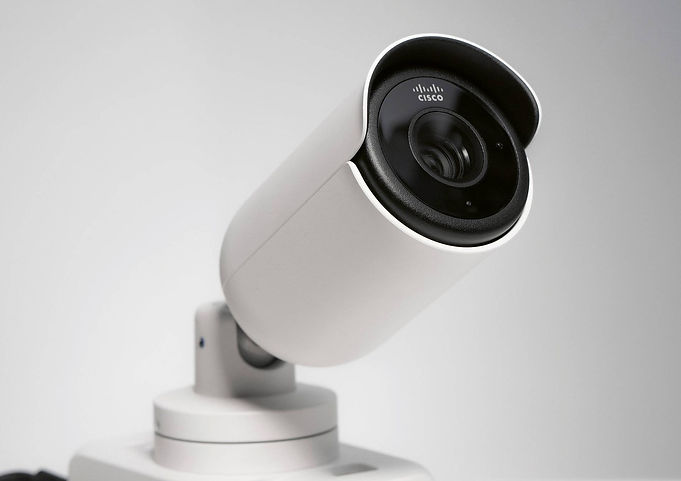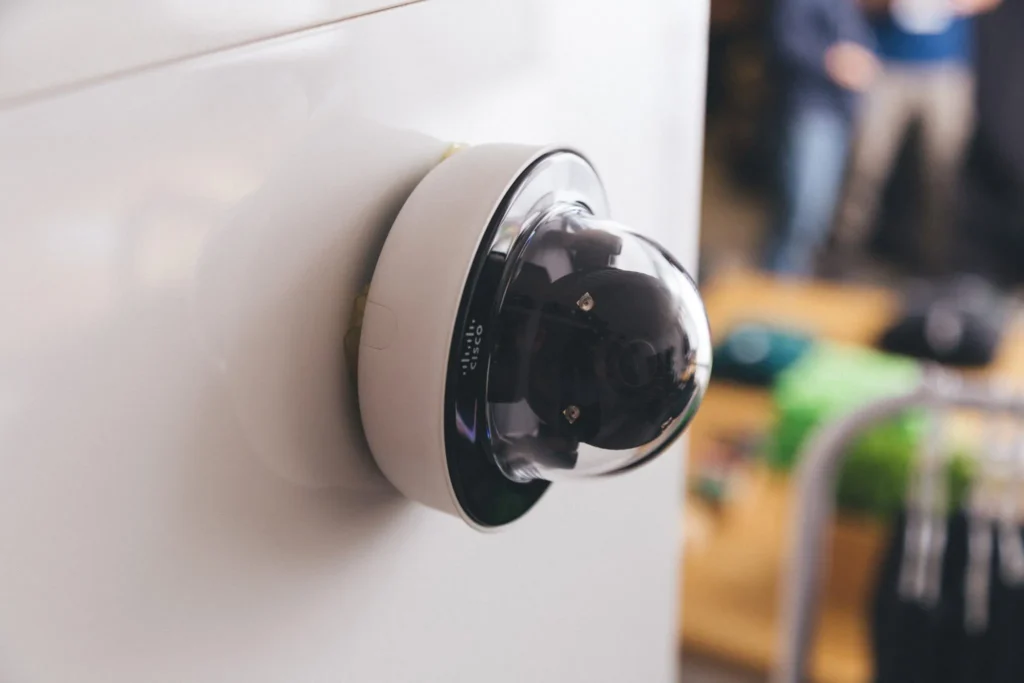




Installing a commercial alarm system is one of the smartest steps a business owner can take to protect property, employees, inventory, and operations. But one of the first questions most business leaders ask is:
How much does it cost to install a commercial alarm system, and what should I budget for?
This comprehensive BTI guide breaks down everything you need to know about commercial alarm system pricing so you can plan confidently and make an informed decision. All figures and guidance below are based on actual industry data.
What Is a Commercial Alarm System?
A commercial alarm system is a professionally designed security solution that protects businesses from unauthorized entry, theft, vandalism, and other threats. It typically includes a combination of:
- Alarm control panels
- Door and window sensors
- Motion detectors
- Local alarms
- Optional video surveillance/verification and access control systems
Commercial systems differ from residential systems in terms of scale, complexity, and the types of devices used.
How Much Does a Commercial Alarm System Cost?
Commercial alarm system pricing varies widely because no two businesses have the same layout, risk profile, or security requirements. Rather than offering a single “average” price, it is more accurate to look at cost ranges based on system size and complexity, which is how most security providers structure their estimates
Upfront Equipment & Installation Costs
Upfront costs typically include security hardware and professional installation, which are often bundled together for commercial systems. The total price depends on the number of devices required, how the system is installed, and whether additional technologies (such as cameras or access control) are included
Average Commercial Alarm System Pricing in the US
| Component | Typical Price Range |
|---|---|
| Basic commercial alarm system (equipment + install) | $1,500 to $5,000+ |
| Larger or more complex systems with sensors & cameras | $5,000 to $10,000+ |
| Enterprise systems or multi-location builds | $10,000 to $100,000+ (varies by scale & needs) |
Final pricing is determined after evaluating the facility’s size, layout, and security requirements.
Small businesses with limited entry points and straightforward layouts often fall near the lower end of the range. In contrast, larger facilities, multi-tenant buildings, or high-risk environments require significantly more equipment and planning, which increases costs
Monitoring Costs (Ongoing Monthly Fees)
In addition to upfront installation costs, most commercial alarm systems include professional monitoring, which is an ongoing service rather than a one-time expense.
Professional monitoring connects the alarm system to a staffed monitoring center that operates 24/7. When an alarm signal is received, monitoring personnel assess the situation and follow established response protocols.
How Much Does Commercial Alarm Monitoring Cost Per Month?
- $50 to $100+ per month for standard commercial monitoring
- Higher service tiers may cost more depending on features such as:
- Video verification
- Multiple signal types (intrusion, fire, environmental)
- Advanced response or escalation procedures
Monitoring fees vary based on the service level agreements (SLAs) provided, not just the size of the system. More complex systems that generate additional data or require enhanced verification carry higher monthly costs.
Professional monitoring is what enables real-world response, distinguishing a commercial alarm system from standalone alarms that only sound locally and rely on someone being present to react.
What’s Included in Commercial System Pricing?
When reviewing quotes or planning a security budget, it helps to understand what costs are typically included in a commercial alarm system proposal. Pricing consists of three core components.
Hardware & Devices

This portion of the cost covers the physical equipment installed throughout the facility. Common components include:
- Control panel and keypads
- Window/door sensors
- Motion detectors
- Sirens and alerts
- Optional video cameras and access control units
The total hardware cost increases as more devices are required. Larger buildings, multiple entry points, and specialized detection all contribute to higher equipment costs. More advanced systems also tend to require higher-grade components designed for continuous commercial use.
Professional Installation
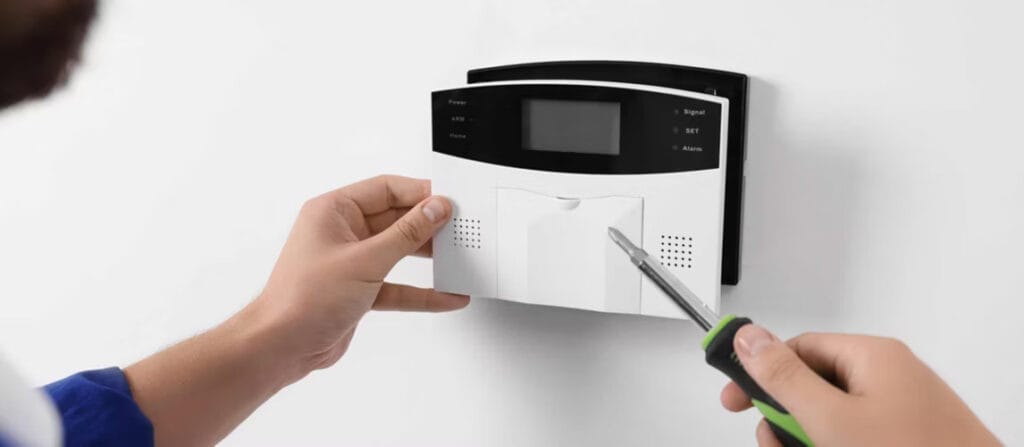
A commercial alarm system should be installed by trained professionals due to the complexity of business environments and the need for reliable operation.
A professional commercial alarm system installation includes:
- On-site assessment and system design
- Mounting and wiring devices
- Testing and configuring components
- Integrating monitoring services
Commercial installations often involve considerations such as building codes, network connectivity, operational schedules, and more. These factors make professional installation an important part of ensuring system reliability and long-term performance.
Recurring Monitoring Service
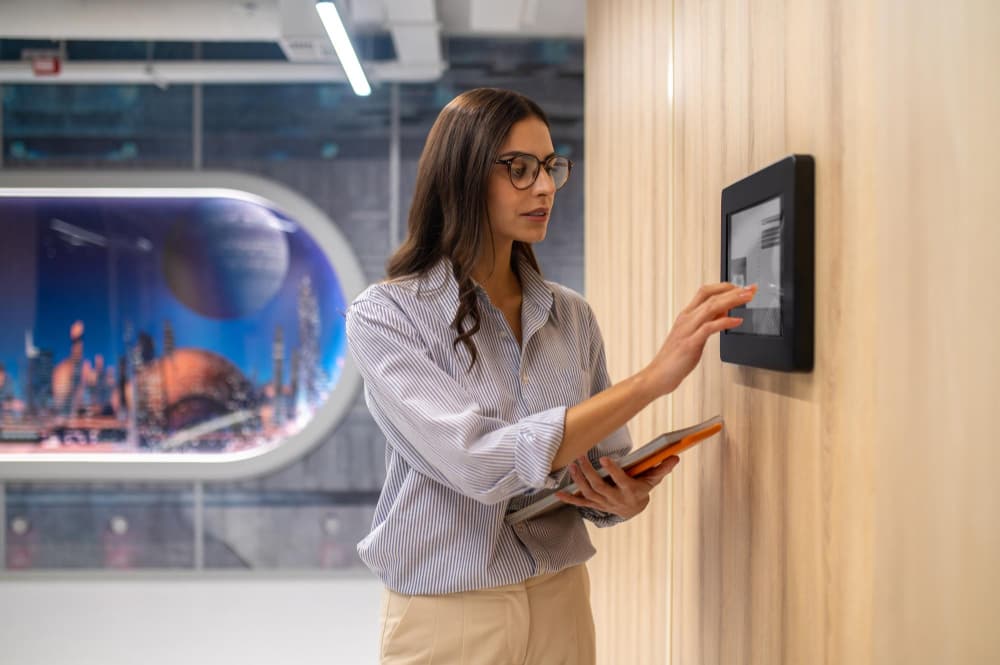
Professional monitoring is a core element of commercial alarm systems and represents an ongoing operational cost.
Monitoring services typically provide:
- 24/7 signal monitoring by a central station
- Verification of alarm events
- Notification of designated contacts
- Coordination with emergency responders when appropriate
This service ensures that alarms are acted upon even when a facility is unoccupied. It is the monitoring component that transforms installed hardware into an active security system rather than a passive alert mechanism.
What Factors Affect Commercial Alarm System Pricing?
Commercial alarm system pricing varies because security systems must be tailored to the physical and operational realities of each business. The factors below explain why two businesses may receive very different pricing, even when installing similar types of systems.
Business Size & Layout
The size and layout of a commercial property directly influence both equipment requirements and installation labor.
Larger buildings typically require:
- More door and window sensors
- Additional motion detectors to cover interior spaces
- Multiple control zones or panels
- Longer installation time due to physical scale
Layout also plays a role. Facilities with:
- Multiple entrances
- Separate offices or departments
- Warehouses, loading docks, or restricted areas
Require more customized device placement to ensure full coverage. Even two buildings with the same square footage can differ significantly in cost if one has more access points or complex internal divisions.
System Complexity
The complexity of a commercial alarm system increases when it goes beyond basic intrusion detection.
Systems that integrate:
- Video surveillance
- Access control
- Environmental sensors
- Remote management features
Require additional hardware, configuration, and testing. Security system integration also increases planning time during installation, as components must work together reliably.
While more complex systems cost more to install, they are often chosen by businesses with higher security risks or operational needs because they provide better situational awareness and control.
Monitoring Features
Monitoring costs are influenced by what the monitoring center is responsible for managing, not just whether monitoring is active.
Standard monitoring typically includes:
- 24/7 alarm signal reception
- Event verification
- Notification of designated contacts
Additional monitoring features may increase monthly costs, such as:
- Video verification, which allows monitoring personnel to visually confirm events
- Multiple signal types, such as intrusion, fire, or environmental alerts
- Advanced escalation procedures, including coordination with emergency responders
The more data a system generates, the more actions required by monitoring staff, the higher the ongoing service cost tends to be.
Professional vs DIY Installation
While DIY alarm systems exist, they are rarely used in commercial environments due to reliability and compliance considerations.
Professional commercial alarm system installation typically includes:
- Site assessment and system design
- Proper device placement based on risk and coverage
- Secure wiring or network configuration
- System testing and monitoring integration
Commercial properties often have:
- Larger coverage areas
- Networked systems
- Insurance or regulatory requirements
These factors make professional installation the standard approach. DIY systems may appear less expensive upfront but often lack the durability, scalability, and monitoring integration required for business use.
Existing Infrastructure and Building Conditions
The condition and design of the building itself can also affect pricing.
Examples include:
- Older buildings requiring additional wiring considerations
- Facilities with limited network access points
- Construction materials that affect wireless signal performance
In these cases, installation may require additional planning or equipment to ensure reliable system operation.
Business Risk Profile
Some businesses face higher security risks due to:
- Location
- Inventory value
- Operating hours
- Industry type
Higher-risk environments may require more comprehensive systems, which increases both installation and monitoring costs. Pricing reflects the level of protection required to adequately mitigate risk and ensure compliance with specific industry standards.
Is Professional Commercial Alarm System Installation Better Than DIY Installation?
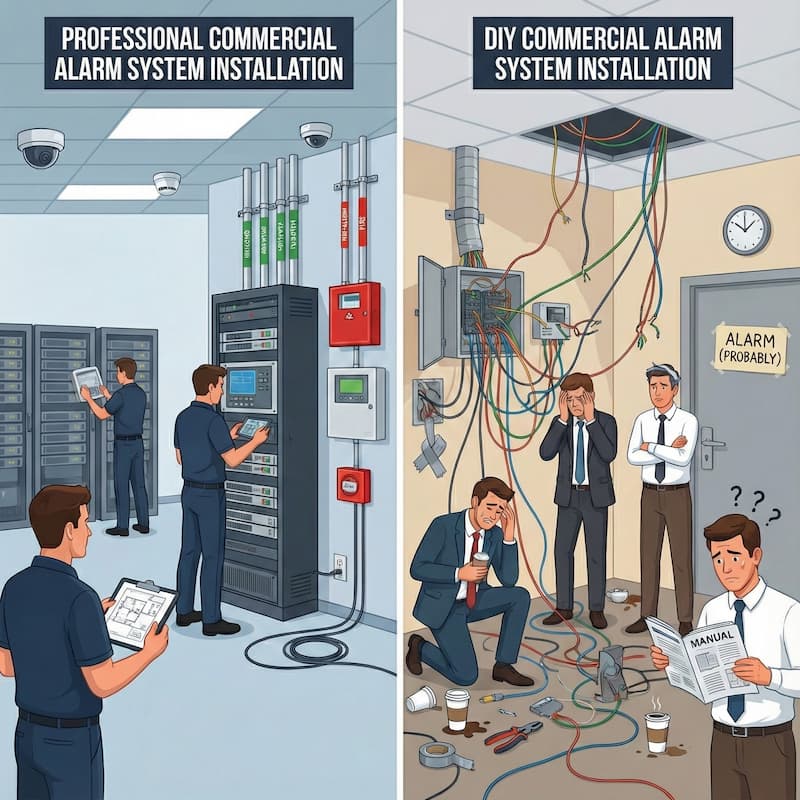
Alarm systems can be installed either by the business itself (DIY) or by trained professionals. While DIY alarm kits may be suitable for some residential properties, commercial environments introduce additional factors that often make professional installation the more practical and reliable option.
Understanding the differences helps businesses choose an approach that aligns with their operational needs, risk profile, and long-term plans.
DIY Alarm Systems: When They Are Typically Used
DIY alarm systems are designed for small, simple environments and often feature:
- Preconfigured components
- Limited device counts
- Basic mobile app control
- Self-monitoring or simplified monitoring options
In commercial settings, DIY systems may be used in:
- Small offices
- Temporary or low-risk spaces
- Locations with minimal entry points
However, DIY systems often lack the flexibility and durability required for larger or more complex business environments.
Professional Installation: Why It Is Common for Commercial Systems
Professional installation is widely used for commercial alarm systems because business environments tend to be more complex and demand higher reliability.
Complex Layouts and Coverage Requirements
Commercial properties often include:
- Multiple entrances and exits
- Separate offices, departments, or restricted areas
- Warehouses, loading docks, or shared spaces
Professional installers evaluate how people move through a facility and place sensors to minimize blind spots and reduce false alarms.
Network Integration and System Configuration
Many commercial alarm systems integrate with:
- Business networks
- Video surveillance systems
- Access control platforms
Professional installation ensures devices are correctly configured, securely connected, and able to communicate reliably with monitoring services. Improper configuration can result in missed alerts or system instability.
Compliance, Insurance, and Operational Requirements
Some businesses must meet:
- Insurance requirements
- Industry standards
- Local regulations related to alarm systems
Professional installers are typically familiar with these requirements and can design systems that align with them, reducing the risk of compliance issues or coverage gaps.
Integration With Professional Monitoring
Commercial alarm systems are most effective when paired with 24/7 professional monitoring. Professional installation ensures:
- Reliable signal transmission
- Correct alarm verification settings
- Proper escalation protocols
This reduces false alarms and ensures alarm events are handled consistently, even when a facility is unoccupied.
Reliability, Maintenance, and Long-Term Support
Commercial systems are expected to operate continuously and reliably over time. Professional installation often includes:
- Initial system testing
- Ongoing support options
- Maintenance recommendations
DIY systems may require businesses to troubleshoot issues independently, which can be challenging in mission-critical environments.
Which Option Is Best for Most Businesses?
For most businesses, especially those with:
- Larger facilities
- Multiple employees
- Valuable assets
- Regulatory or insurance considerations
Professional installation is the preferred approach. It provides a higher level of reliability, scalability, and long-term support compared to DIY solutions.
DIY systems may be appropriate for limited, low risk use cases, but they are not typically designed to meet the demands of most commercial environments.
Clarity Beats Guesswork When It Comes to Security Costs.
If you’re comparing alarm system options or reviewing quotes, a professional review can help you understand what you’re really paying for.
How Do Commercial Alarm System Costs Scale by Business Size?
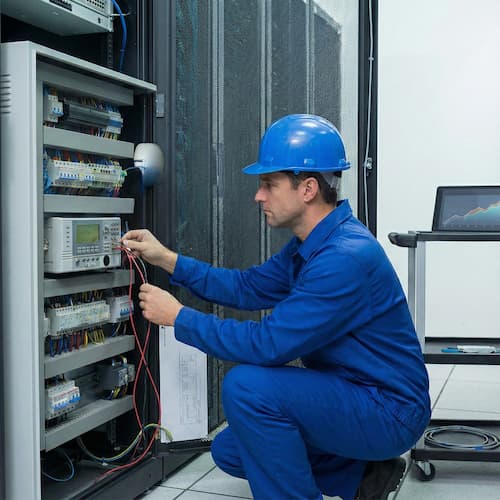
Because commercial alarm systems are customized, there is no single price that applies to every business. Instead, pricing tends to scale predictably based on facility size, system complexity, and monitoring requirements.
The examples below illustrate how and why costs increase as security needs grow. Pricing ranges are summarized in the table that follows.
Small Retail Store or Small Office
Small businesses typically operate from a single location with a limited number of entry points and a straightforward layout. Costs are generally lower because fewer sensors are required, and installation is less complex. These systems are usually focused on basic intrusion detection with standard professional monitoring.
This category often represents the entry-level range for commercial alarm system pricing.
Medium-Sized Business with Video Surveillance
As businesses grow, security systems often expand beyond basic intrusion detection. Medium-sized facilities typically require additional sensors to cover larger interior spaces and may add video surveillance for visual verification or operational oversight.
Costs increase at this level due to:
- More devices
- Longer installation time
- Additional system configuration
- Enhanced monitoring features
This category reflects the transition from basic protection to integrated security systems.
Large Office, Industrial Facility, or Multi-Site Operations
Large or multi-location organizations usually require enterprise-grade security solutions. These systems often involve extensive sensor coverage, large-scale video surveillance, access control across multiple areas, and centralized system management.
Pricing varies widely in this category because system design depends heavily on:
- Number of buildings or sites
- Integration requirements
- Network infrastructure
- Operational risk profile
As a result, enterprise deployments show the widest cost range of any scenario.
Average Commercial Alarm System Cost Scenarios
| Business Type | Typical System Characteristics | Estimated Upfront Cost (Equipment + Installation) | Estimated Monthly Monitoring |
|---|---|---|---|
| Small Retail Store or Small Office | • 5-10 sensors • Basic commercial control panel • Professional installation • Standard 24/7 monitoring | $1,500 – $5,000+ | $50 – $100+ |
| Medium-Sized Business with Cameras | • Expanded sensor coverage • Integrated video surveillance • Access control added • Professional installation & monitoring | $5,000 – $10,000+ | $200 – $400+ |
| Large Office, Industrial Facility, or Multi-Site Operations | • Extensive sensors across multiple zones or buildings • Large-scale video surveillance • Enterprise access control • Networked, centralized systems | $10,000 – $100,000+ | Varies by service tier and system complexity |
How Can Businesses Get Accurate Commercial Alarm System Pricing Quotes?
Because commercial alarm systems are customized, the most reliable way to understand pricing is through a structured evaluation process. The steps below explain what business owners should expect and why each step matters.
Get an On-Site Security Assessment
Most commercial alarm systems cannot be accurately priced without an on-site evaluation. During an on-site security assessment, a provider typically reviews:
- The size and layout of the facility
- The number of doors, windows, and access points
- Existing security infrastructure (if any)
- Business hours and occupancy patterns
- Risk factors such as location, inventory value, or prior incidents
This assessment allows the provider to determine:
- How many sensors are required
- Where control panels and detectors should be placed
- Whether wired or wireless equipment is appropriate
- What level of monitoring is necessary
Many providers offer these assessments at no cost because remote estimates often fail to account for layout and operational details, which can significantly affect pricing. An on-site assessment reduces the risk of under or over-estimating system requirements.
Ask for Itemized Quotes
Commercial alarm pricing is often presented as a single number, but that total usually includes multiple distinct cost categories. Requesting an itemized quote helps businesses understand exactly what they are paying for and makes comparisons more meaningful.
An itemized quote should clearly separate:
- Equipment costs (control panels, sensors, detectors, cameras)
- Installation and labor costs
- Monitoring fees (monthly or recurring)
- Optional add-ons (video verification, access control, environmental monitoring)
Itemization is important because:
- Equipment ownership varies by provider
- Installation costs may be bundled or billed separately
- Monitoring fees continue long after installation
Without itemization, it is difficult to determine whether a lower upfront price is offset by higher long-term monitoring costs.
Compare Multiple Vendors Carefully
Commercial alarm providers differ significantly in how they design systems, price services, and structure contracts. Comparing multiple vendors helps businesses understand the range of available options and avoid assumptions based on a single proposal.
When comparing vendors, consider:
- Equipment brands and system architecture
Some providers use proprietary equipment, while others use widely supported platforms. - Monitoring services offered
Monitoring response procedures, redundancy, and escalation processes can vary. - System scalability
Determine whether the system can expand as the business grows. - Support and service model
Ask how maintenance, troubleshooting, and upgrades are handled.
Comparing multiple vendors will allow you to identify differences in long-term flexibility, service quality, and total cost of ownership.
Evaluate Contract Terms Carefully
Many commercial alarm systems include service agreements that extend beyond the initial installation. Understanding contract terms is critical, as they can affect long-term costs and flexibility.
Key contract elements to review include:
- Contract length
Some agreements span multiple years, particularly when equipment costs are subsidized. - Early termination clauses
These may include fees if service is canceled before the contract ends. - Monitoring fee adjustments
Contracts may allow periodic increases in monitoring costs. - Equipment ownership
Clarify whether the business owns the equipment or if it is owned by the provider. - Service and maintenance responsibilities
Understand what support is included and what may incur additional charges.
Evaluating these terms upfront helps businesses avoid unexpected costs and ensures the system aligns with long-term operational plans.
Key Takeaways About Commercial Alarm System Costs
- Commercial alarm systems protect people and property and are tailored to business needs with professional installation and monitoring.
- Upfront installation costs typically range from $3,000 to $5,000+ for most businesses, scaling up for large or complex setups.
- Monthly monitoring fees generally run from $50 to $100+, depending on service level.
- True commercial alarm system pricing depends on facility size, complexity, and the level of protection desired.
By understanding these cost components and asking the right questions during the quoting process, you can select a commercial alarm solution that fits both your security needs and your budget.
Understanding Costs Is the First Step to Better Security.
Every commercial alarm system starts with an on-site security assessment to understand layout, risk factors, and monitoring needs.
Frequently Asked Questions About Commercial Alarm System Pricing
How Long Does Commercial Alarm System Installation Take?
Installation time varies based on system complexity and building size.
- Small businesses may complete installation within a single day
- Larger facilities or systems with cameras and access control may require multiple days
Factors such as wiring requirements, network configuration, and after-hours installation needs can also affect timelines.
What is The Monthly Cost of Commercial Alarm Monitoring?
Commercial alarm monitoring typically involves a monthly service fee that covers 24/7 monitoring by a professional monitoring center. Industry sources commonly report monthly monitoring costs that vary based on service level, response type, and system features.
Monitoring fees may be influenced by:
- Type of alarm signals monitored (intrusion, fire, environmental)
- Use of video verification
- Contract length
- Level of response coordination
Monitoring is a separate ongoing cost from installation.
Is Commercial Alarm System Pricing Different from Residential Systems?
Yes. Commercial alarm systems costs are typically higher than residential systems due to:
- Larger coverage areas
- More robust equipment
- Higher reliability requirements
- Professional monitoring expectations
Commercial systems are designed to meet business-level security, operational, and compliance needs.
Do Commercial Alarm Systems Require Permits?
In some cities, permits may be required for alarm system installation or monitoring. Requirements vary by city and state and may involve:
- Alarm registration with local authorities
- Annual permit renewals
- False alarm policies
Professional installers are usually familiar with local requirements and can help businesses navigate permit processes.
Can Commercial Alarm Systems be Expanded Later?
Yes. Most modern commercial alarm systems are scalable, allowing businesses to add:
- Additional sensors
- Video surveillance
- Access control systems
- Environmental monitoring
Scalability is especially important for growing businesses or organizations planning future expansion.
How often Should Commercial Alarm Systems be Tested or Serviced?
Routine testing and maintenance help ensure system reliability. Many providers recommend:
- Periodic system testing
- Scheduled maintenance checks
- Software or firmware updates when applicable
Ongoing monitoring services often include support for troubleshooting and system alerts.