Commercial Cloud-based AI Powered Alarm System Installater Specialized design, integration, and support
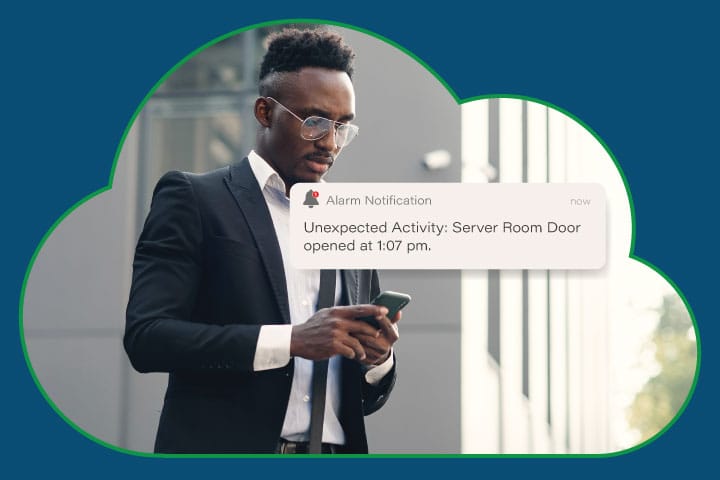
Modernize your alarm system with a cloud-managed platform. BTI designs and installs systems that scale from one location to many, with clean user management, fast changes, and dependable alerting.

- Fast Installation
- Certified Technicians
- 24/7 Support
- Fast Installation
- Certified Technicians
- 24/7 Support
Why Organizations Choose BTI for Cloud-Based Alarm Systems
Certified, Multi-Platform Cloud Alarm Expertise
BTI designs and installs cloud-managed intrusion alarm systems using proven commercial platforms—so you can standardize across sites without forcing a one-size-fits-all ecosystem. We confirm panel capabilities, sensor coverage, communications, and admin workflows before we quote, so deployment is clean and supportable.
Converged IT, Cybersecurity, and Physical Door Security
BTI is a licensed converged IT and security integrator, delivering networking, cybersecurity, and physical security under one roof.
For cloud-based alarm systems, that translates into:
Network-ready intrusion designs that account for LAN/VLAN requirements, LTE/cellular or dual-path communications, bandwidth constraints, and supervision timing—so cloud-connected panels and devices report reliably.
Security-first alarm architecture aligned with enterprise cybersecurity practices, including least-privilege admin roles, secure remote access, hardened credentials, and clean documentation for IT review.
System integration, connecting intrusion alarms with video verification, access control, intercoms, and notification workflows to reduce false alarms and speed up response—not disconnected tools.
This vendor-agnostic approach helps match each site to the right mix of cloud alarm hardware, devices, communications, and platform capabilities—without adding server overhead.
Compliance-Ready Alarm Reporting and Monitoring Readiness
BTI supports organizations in healthcare, logistics, government, manufacturing, utilities, and other regulated environments, where incident response, alarm accountability, and audit documentation can be complex to manage.
BTI Highlights:
40+ years of experience and 5,000+ endpoints under management across security and IT.
Monitoring-ready alarm design with clear signal routing, escalation rules, and documentation that supports central station coordination and internal response teams.
Alignment with common compliance and risk frameworks (where applicable), including ISO 27001, SOC 2/3, PCI-DSS, HIPAA, FedRAMP/FISMA, ISNetworld, and related requirements tied to the service stack.
Cloud-based alarm systems should be designed around clear zone definitions, event history, user/role controls, and consistent notification/escalation rules—so reporting, investigations, and audits are supported by the system, not recreated after an incident.
Transparent, Itemized Pricing for Cloud Alarm Rollouts
Every cloud alarm system is quoted so that security, IT, and finance all see exactly what is being purchased and why.
For alarm solutions, that typically includes:
Fully itemized proposals: Line-by-line breakdowns for panels/communicators, keypads, sensors (door contacts, motion, glassbreak, etc.), power/battery, enclosures, mounting, network/cellular requirements, cloud licensing, installation, programming, testing, and optional monitoring/managed services—no hidden fees.
Clearly defined scope: Design, migration (where applicable), installation, device naming/zoning, event routing and notifications, user/role setup, testing/commissioning, training, and ongoing support are explicitly scoped so there’s no ambiguity about what is and isn’t included.
This approach makes it easier to compare platform options, standardize across sites, and move forward with a rollout plan your team can easily manage.
click each to learn more
How BTI Installs and Supports Cloud Alarm Systems
Cloud Alarm System Installation Process in 4 Easy Steps

Strategy
BTI reviews your existing alarm panel, devices, & communications path (IP/cellular) to confirm what can be reused & what should be upgraded. We define zoning, notifications, & response workflows.

Design
BTI engineers select the right cloud alarm platform, panel/communicator, & device mix for each site. You receive a standardized design & itemized proposal aligned with IT requirements & operational needs.

Implementation
BTI technicians install & program panels, sensors, keypads, & communications using standardized build practices. Takeover/cutover (if replacing an existing system) is planned to minimize disruption.

Solution Delivered
Once live, BTI provides training & documentation for security, facilities, & IT teams. Ongoing support keeps the cloud-based alarm system stable, reduces nuisance alarms, & scales cleanly as requirements evolve.
Cloud Alarm System Components
BTI designs cloud-based intrusion alarm systems with commercial-grade hardware that’s easy to standardize across sites. Final device selection depends on your risk areas, existing infrastructure, and monitoring/response requirements.

Panels & Communication
Intrusion panels with IP + LTE/cellular (dual-path where required), configured for reliable event reporting and consistent performance across single sites or multi-location rollouts.

Sensors & Detection Devices
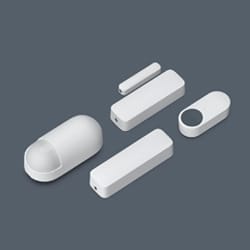
BTI designs the right mix of door contacts, motion, glassbreak, and specialty detection for each space—then zones and places devices to improve incident clarity and reduce nuisance alarms.

Keypads & User Controls
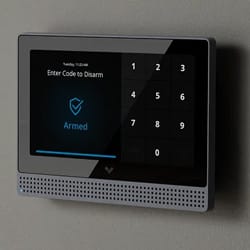
Role-based user controls make day-to-day operation consistent across sites, with standard arming/disarming workflows, clean permissions, and event history that supports investigations and accountability.

Power, Backup, & Supervision
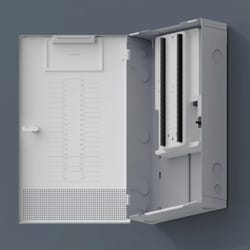
Proper power, battery backup, and device supervision keep the system stable during outages and faults. BTI commissions each site to confirm reporting, trouble conditions, and backup runtime.
Trusted Partner for Cloud-Based Alarm Platforms
BTI supports leading cloud alarm ecosystems—platforms that unify intrusion, video, & access control—so you can standardize across sites without being locked into a single vendor. We design, install, & support systems built for reliable signaling, clean administration, & multi-site expansion.
Alarm.com

Alarm.com is a strong fit for organizations that want a cloud-managed intrusion experience tied to video + access control from one interface. BTI commonly deploys alarm.com in commercial environments like manufacturing, food industry and other multi-site operations.
Verkada

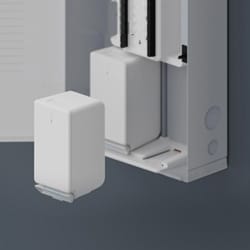
Verkada is a strong fit for teams that prefer a single, cloud-managed security stack—with alarms, cameras, and access control designed to work together inside Verkada Command. It’s often used where IT wants centralized administration and integrations (API/webhooks/SSO) alongside a unified security experience across facilities.
Verkada Cloud-Based Alarm Systems
Verkada’s cloud-based alarm platform is typically deployed when organizations want a single, unified cloud-managed security environment—where intrusion, video, & access control work together from one interface. The model is straightforward: cloud-connected alarm devices with centralized administration through Verkada Command, no on-prem server requirement, and automatic updates.
What teams like about Verkada for cloud-based alarms:
Unified platform & consistent operator experience across sites (simpler training & standardization)
Centralized administration with role-based permissions, schedules, alerting rules, & site-level controls
Alarm event history & reporting that supports investigations, audits, & accountability
Strong workflows when alarms are used alongside cameras & access control for faster verification & response
Where Verkada is usually the right fit:
Multi-site organizations prioritizing speed of standardization and “one platform” operations
Teams that want simplified vendor management (procurement, support, lifecycle) across security systems
Environments where unified intrusion + video + access control workflows matter more than mixing multiple point solutions
Why BTI vs. Single-Platform Cloud Access Control Vendors

BTI’s role is to design and support cloud-based alarm systems that fit your sites’ security, IT, and operational standards—without forcing a one-size-fits-all platform decision.
Platform Choice, Not Platform Lock-In
- Supports multiple leading cloud alarm platforms instead of pushing one ecosystem
- Recommends the right architecture based on risk, compliance, comms reliability, & IT standards
- Helps avoid long-term lock-in & surprise renewal pricing by keeping options open
Integrated Security, Not Isolated Alarms
- Designs alarms to work with video verification, access control, & notifications as one workflow
- Improves response consistency with clear zoning, escalation rules, & event history
- Reduces nuisance alarms by aligning device placement & rules to real facility traffic
Engineering-Led Deployment
- Network-aware design (IP/cellular/dual-path) so signals are reliable across sites
- Standardized commissioning, testing, documentation, & training for repeatable rollouts
- Ongoing support for moves/adds/changes, tuning, & long-term system stability
A Trusted Cloud-Based Access Control Provider for SMB and Enterprise Organizations
BTI helps organizations reduce false alarms, strengthen incident accountability, and standardize intrusion response with cloud-based alarm systems. We design, install, and support deployments that integrate with video verification and access control, and we tune zoning, notification rules, and escalation workflows so alarm events are consistent across single sites or multi-location environments.
Industries We Support
Education
Financial Services
Manufacturing
Religious Facilities
Professional Services
What Our Clients Say About Our Professional Design Services
Jonathon Huff
The Moody Church
Rebecca Gadomski
Edgewood Clinical
Dave Tourje
Alpha Structural, Inc.
GlobalView Support for Security Services
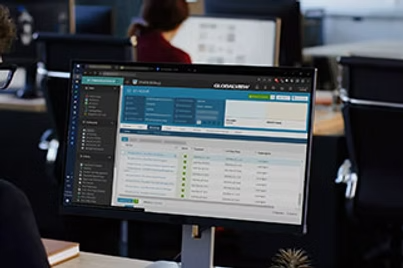
Get real-time monitoring and proactive support, preventing downtime and keeping your services securely running.

Your Success, Our Goal
"Our first and primary goal is to deliver the foremost level of technical quality that can be delivered reliably for each client’s budget.
Eric Brackett, Founder & CEO of BTI Communications Group


Contact BTI About Cloud-Managed Alarm Systems Get a Cloud Alarm Design Consultation with a BTI Specialist
If your team is evaluating cloud-based alarm systems or standardizing intrusion protection across multiple sites, BTI can turn those goals into an implementable design.
Schedule a consultation with a BTI security & IT specialist to receive an itemized recommendation—covering panels, sensors, communications paths, alerting/escalation rules, and integrations—aligned with your risk, compliance, and budget.
Your Resource for Smarter Business Technology Physical Security Related News & Insights
Learn what Zero Trust Network Architecture is, how it aligns with NIST, ISO 27001, HIPAA, and state privacy laws, and how to prove reasonable security.
Who installs and supports your Software House system matters. Learn why an authorized Software House dealer is a plus for your security and bottom line.
Airports have unique requirements for their VMS. Here are 5 reasons why Milestone VMS software’s compatibility is ideal for airport security.
FAQs
How is a cloud alarm different from a traditional intrusion alarm?
Traditional systems often depend on on-site programming and local workarounds. Cloud alarms centralize administration so user changes, schedules, notifications, and reporting can be managed consistently across sites without relying on one person at one location.
Can cloud alarms integrate with cameras and access control?
Yes. Modern cloud platforms unify intrusion, video, and access control so alarm events can include visual context and door activity. That integration improves response speed and makes incident review far more practical.
What is video verification, and why does it matter?
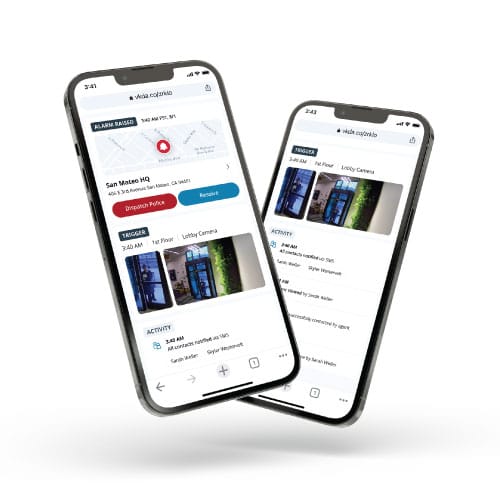
Video verification ties alarm activity to cameras so your team can confirm what’s happening before escalating. It can reduce nuisance dispatches, support faster decision-making, and improve incident documentation—without slowing response down.
What happens if the internet goes down—will the alarm still work?
A business-ready design includes resiliency: battery backup for power loss and cellular/LTE (often dual-path) communications so alarm signals can still be delivered if the primary connection fails. BTI’s design process focuses on making sure the communications path is reliable before you to standardize across sites.
Can door events be tied into alarm workflows?
Yes. Alarm workflows can be connected to door activity—like forced-open or held-open conditions—so events have more context and response is more consistent. This is especially valuable in multi-site environments where teams need clear, repeatable rules.
Can we reuse existing sensors or wiring during an upgrade?
Often, yes—when devices are compatible and in good condition. BTI reviews what can be reused, identifies what should be replaced (especially devices driving nuisance alarms), and scopes the project so you don’t get surprises after kickoff.