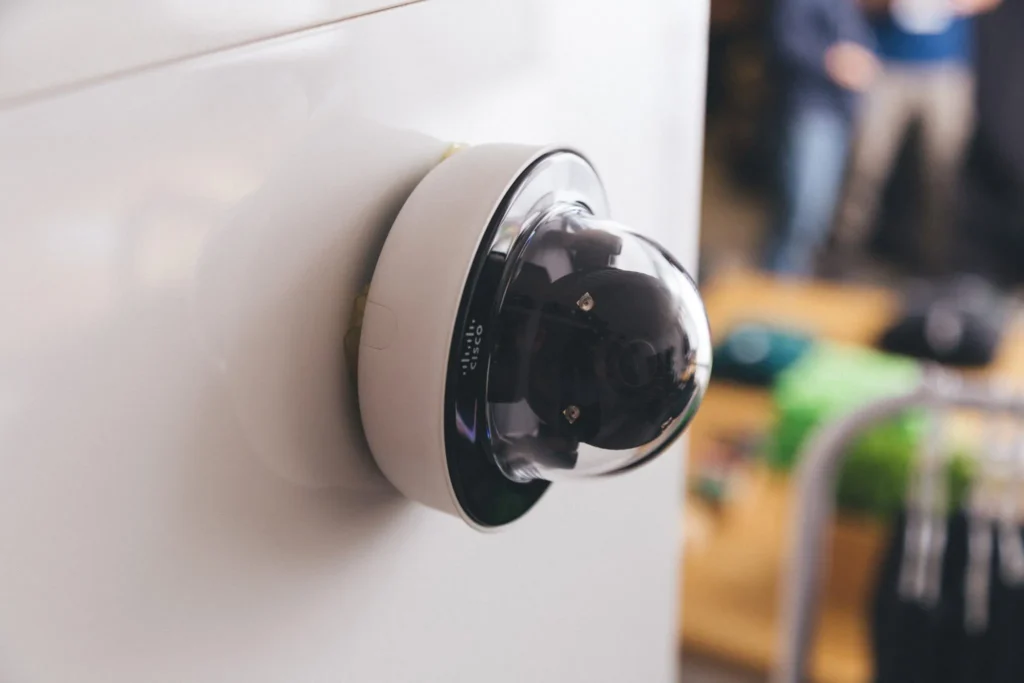




Security expectations for businesses are rapidly evolving in 2026.
Cybersecurity is no longer limited to protecting networks and IT systems. Today’s organizations must manage integrated cyber, physical, and compliance risks across their entire operations and supply chains.
Companies increasingly inherit security obligations through vendor contracts, cyber insurance requirements, regulatory frameworks, and supply-chain security programs.
At the same time, modern compliance frameworks now recognize that physical security vulnerabilities can create cybersecurity breaches. Weak facility access control, unsecured infrastructure, or unmonitored environments can expose organizations to the same risks as software vulnerabilities.
For many businesses, the challenge is no longer just cybersecurity. It is security convergence.
Integrating cybersecurity, physical security, and compliance into one unified risk management strategy.
2026 Security Reality: Cybersecurity Compliance Is Expanding Beyond IT
Many organizations believe cybersecurity risk is limited to protecting their network.
The larger challenge facing companies today is security compliance inheritance.
Organizations increasingly inherit security expectations from the companies they do business with.
If your business interacts with:
- healthcare systems
- consumer or financial data
- payment processing platforms
- government or defense contracts
- logistics or manufacturing supply chains
- utilities or critical infrastructure
…then your organization may already be subject to multiple cybersecurity and physical security requirements, even if you are not part of a traditionally regulated industry.
These requirements commonly arrive through:
- vendor security assessments
- cyber insurance mandates
- regulatory frameworks
- supply-chain security agreements
And in 2026, one major shift is accelerating across industries.
Cybersecurity and physical security are no longer separate disciplines.
They are now treated as one unified risk environment.
A vulnerability in a server can expose your organization.
But so can weaknesses in:
- access control systems
- surveillance networks
- facility entry points
- warehouses housing technology assets
- infrastructure connected to networks
The National Cyber Strategy Is Increasing Private Sector Security Responsibility
The latest U.S. cybersecurity strategy emphasizes strengthening national cyber defense, modernizing infrastructure, and securing critical industries.
While government initiatives strengthen national defense capabilities, they also reinforce a key reality:
Businesses must increasingly demonstrate their own cybersecurity maturity.
Organizations participating in supply chains connected to critical industries must show that they meet security expectations to maintain vendor eligibility.
Industries affected include:
- healthcare
- financial services
- defense contracting
- utilities and energy providers
- logistics and manufacturing
Security expectations increasingly flow downstream through vendor contracts, extending cybersecurity responsibilities across entire supply chains.
The Hidden Compliance Web Businesses Inherit Through Vendor Contracts
Many business leaders assume compliance applies only to regulated industries.
However, modern supply chains extend compliance requirements across vendor ecosystems.
If your customer must comply with a security framework, your organization may also be required to meet those standards.
This creates a complex network of inherited obligations.
Key Cybersecurity Compliance Frameworks Affecting Businesses
Organizations handling consumer financial information must implement protections including:
- cybersecurity risk assessments
- multi-factor authentication
- encryption controls
- vendor monitoring programs
- penetration testing
- incident response procedures
These requirements frequently extend to vendors and service providers.
HIPAA Security Rule – Healthcare Data Protection
Organizations connected to healthcare systems must implement safeguards such as:
- vulnerability risk analysis
- strict access controls
- encryption protections
- documented incident response procedures
- physical safeguards protecting electronic health data
Recent enforcement increasingly evaluates facility security protections, not just IT systems.
CPRA – Consumer Privacy Regulation
The California Privacy Rights Act requires businesses to implement:
cybersecurity risk assessments
annual security audits
vendor accountability measures
governance controls for personal data
PCI DSS 4.0 – Payment Processing Security
Businesses processing credit cards must implement protections including:
- multi-factor authentication
- network segmentation
- enhanced monitoring
- vendor security oversight
CMMC – Government Supply-Chain Security
Organizations supporting government contracts must prepare for Cybersecurity Maturity Model Certification (CMMC) requirements.
These frameworks include both cyber and physical protection such as:
- restricted facility access
- monitoring systems
- documentation of physical safeguards protecting sensitive systems
Why Physical Security Is Now Part of Cybersecurity Compliance
Modern security frameworks increasingly recognize that physical vulnerabilities can lead directly to cybersecurity incidents.
Organizations must consider protections such as:
- facility access control
- surveillance monitoring
- secured data environments
- warehouse security for technology assets
- perimeter protection systems
Cyber Insurance Requirements Are Reshaping Business Security
Cyber insurance underwriting has become one of the strongest drivers of security improvements.
- Insurance providers increasingly require organizations to demonstrate:
- NIST-aligned cybersecurity practices
- multi-factor authentication across infrastructure
- vulnerability management programs
- incident response planning
- vendor risk management
Many policies now include coverage exclusions tied to physical security failures, such as theft of unprotected equipment or unauthorized facility access.
The Business Triggers That Reveal Security Gaps
Most organizations do not actively search for cybersecurity services.
Instead, security gaps become visible when a major business trigger occurs.
Common triggers include:
- Cyber Insurance Renewal
- Vendor Security Assessments
- Compliance Audits
- Facility Expansion
- Security Incidents
These events often reveal that cybersecurity, compliance, and facility security programs are not fully aligned.
Why Businesses Are Adopting Converged Security Strategies
Traditional security models separated responsibilities across departments.
Modern organizations are adopting converged security strategies that integrate:
- cybersecurity operations
- physical security infrastructure
- compliance management
- enterprise risk governance
This unified approach helps businesses manage risk across their entire environment.
How BTI Helps Businesses Navigate Security Compliance
BTI helps organizations simplify complex security requirements through integrated services.
Cybersecurity & Compliance
- NIST-aligned cybersecurity programs
- CMMC readiness consulting
- HIPAA and CPRA compliance support
- cyber risk assessments
Add Your Heading Text Here
- access control systems
- surveillance and monitoring
- intrusion detection
- secure facility architecture
Add Your Heading Text Here
- unified cyber and physical risk assessments
- vendor security compliance consulting
- supply-chain security readiness
- cyber insurance compliance preparation
BTI supports organizations across California, Illinois, and Arizona, helping businesses strengthen security while meeting evolving regulatory and contractual expectations.
The Bottom Line for Businesses in 2026
Cybersecurity is no longer just an IT responsibility.
Physical security is no longer just a facility issue.
Compliance is no longer limited to regulated industries.
In 2026, security expectations extend across entire business ecosystems and supply chains.
Organizations that integrate cybersecurity, physical security, and compliance into a unified strategy will be best positioned to maintain trust, meet regulatory expectations, and protect their operations.
Need Help Navigating Security Compliance Requirements
BTI helps organizations simplify cybersecurity, compliance, and physical security into a unified protection strategy.
FAQ's
Why are cybersecurity requirements increasing for businesses?
Organizations increasingly inherit security requirements through supply-chain contracts, cyber insurance policies, and regulatory frameworks.
Can physical security affect cybersecurity compliance?
Yes. Weak access control, unsecured facilities, or exposed infrastructure can lead to cybersecurity breaches and may violate compliance standards.
What is converged security?
Converged security integrates cybersecurity, physical security, and compliance management into one unified risk strategy.
Why do vendors now require cybersecurity assessments?
Many organizations must prove their entire supply chain meets security standards, so vendor cybersecurity assessments are becoming common.