
For years, healthcare organizations relied on passwords, ID cards, or PINs to verify identity. The problem? These methods are easy to forget, steal, or share. You may often wonder how hospitals truly protect patient information when something as basic as a shared login can compromise an entire system.
In busy clinical environments, these traditional methods simply are not strong enough. Human errors, rushed workflows, and increasing cyberattacks make them unreliable and risky. Discover how healthcare biometrics can streamline security for patients, caregivers, and visitors alike and why medical providers often choose biometric security to ensure compliance & protect their most valuable assets by reading BTI Communication Group take on biometrics and healthcare.
What are Biometrics in Healthcare?
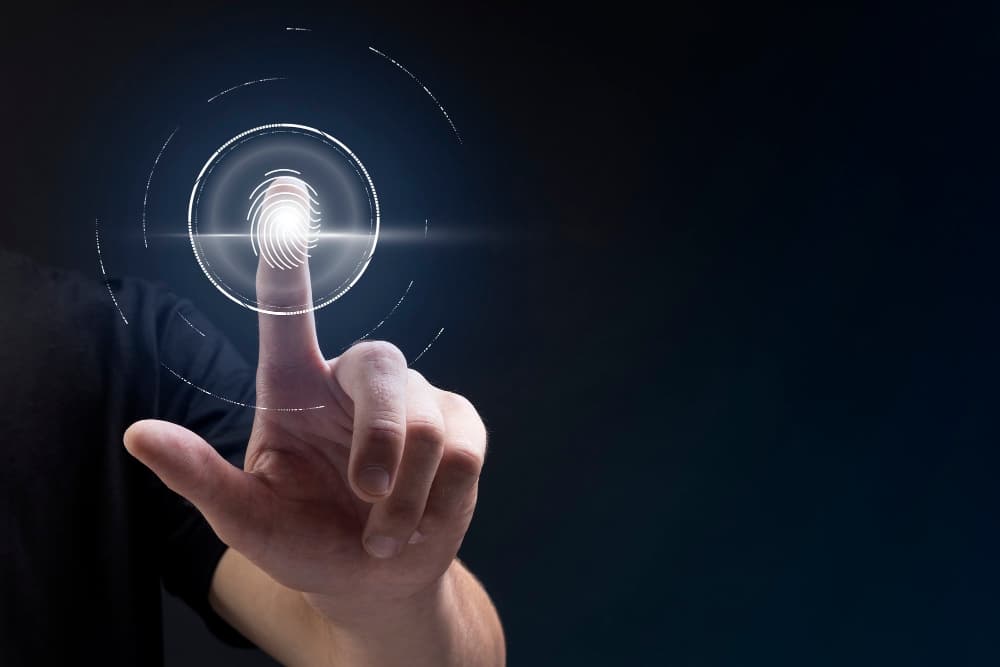
Biometrics are security systems that use physical characteristics like fingerprints, facial features, iris patterns, or voiceprints to confirm identity. The biggest advantage is that biometric traits cannot be easily replicated. Unlike passwords, you do not lose them, and no one can “borrow” them, giving healthcare providers an extra layer of security.
Healthcare organizations benefit biometric security because it provides:
- Consistent, high-accuracy identification
- Stronger protection for sensitive medical data
- Lower risk of identity theft and fraud
- Smoother workflows for clinicians and patients
As digital health expands, biometrics have become a core component of modern healthcare security.
Key Applications of Biometrics in Hospitals and Clinics
Patient Identity Verification at Check-In
One of the most practical applications of biometric authentication in healthcare is biometric check-in. Many hospitals now use fingerprint scans or facial recognition to ensure that the right patient receives the right care.
We have seen how this reduces duplicate records, prevents mismatched charts, and gives clinicians instant confidence that they are treating the correct person.
Secure Access for Clinical Staff
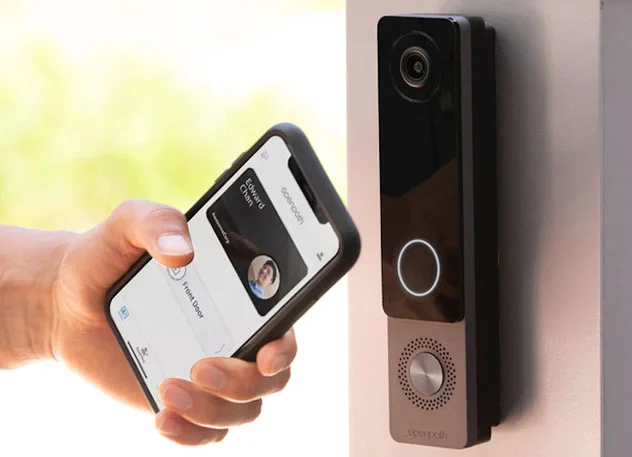
Biometrics also streamlines staff authentication. Instead of typing long passwords or carrying access cards, authorized personnel can open restricted areas or medical records instantly with a biometric scan.
This not only speeds up daily workflows but also prevents unauthorized individuals from slipping into secure areas or viewing private patient data.
Biometrics in Telemedicine and Mobile Health
As telehealth exploded, so did the need for secure patient login methods. Many mobile health apps now use facial recognition or fingerprint sign-ins.
Your face or fingerprint ensures only you can access your appointments, messages, or medical history, critical to ensure strict compliance requirements needed to succeed in the medical industry.
Fraud Prevention and Insurance Protection
Biometrics make it significantly harder for someone to pose as another patient to obtain medications or benefits. Increasingly, pharmacies and insurers require biometric verification before approving claims or dispensing certain drugs.
This added layer of protection drastically reduces fraudulent activity, and it helps organizations save massive amounts of money while protecting vulnerable patients.
How Biometrics Protect Medical Data and Reduce Cybersecurity Risks
A Strong Defense Against Data Breaches and Identity Theft
Cybersecurity threats in healthcare are more severe than ever. Every record holds sensitive data like financial info, medical histories, and personal identifiers. One breach can affect millions of people.
Biometric security in healthcare acts as a strong barrier against unauthorized access. Because biometric data is so hard to steal or forge, it dramatically reduces the chances of:
- Stolen credentials
- Account takeovers
- Data breaches
- Insider threats
Integration with EHR/EMR Systems and MFA
Biometrics increasingly integrate with EHR platforms to enhance both convenience and cybersecurity. When paired with multi-factor authentication (MFA), they provide the highest security standard currently available in digital health.
This combination ensures that even if one layer is compromised, biometric verification prevents unauthorized access.
Operational Benefits: Efficiency, Speed, and Fewer Errors
Streamlined Workflow and Reduced Wait Times
Anyone who has spent time in a busy clinic knows how chaotic things can get. With biometrics, check-ins are faster, access is simpler, and there is no time wasted recovering lost passwords or fixing ID mismatches.
This directly improves the patient’s experience while giving staff more time to focus on care, not paperwork.
Fewer Mistakes in Treatment and Documentation
Misidentifying errors in healthcare can be dangerous. Mishandling sensitive information can result in data breaches, regulatory fines, or even put patients and medical staff in jeopardy. Biometric verification drastically reduces these mistakes by ensuring the correct record is pulled every time.
At BTI, we have seen firsthand how this accuracy boosts confidence for the entire clinical team.
Real Challenges: Privacy, Regulations, and User Adoption
HIPAA, GDPR, and Ethical Considerations
Biometric data is incredibly sensitive. Healthcare organizations must comply with strict laws like HIPAA in the U.S. and GDPR in Europe. These regulations require explicit consent, secure storage, and transparent data usage policies.
Patients want to know:
- How their biometrics are stored
- Who has access
- Whether the data can be deleted
Addressing these concerns is crucial for trust.
Overcoming Resistance from Patients and Staff
Some people feel uneasy about providing biometric data. Having clear explanations especially security benefits and privacy protections goes a long way in building acceptance.
Providing alternatives and ensuring transparency also helps reduce hesitation.
The Future of Biometrics in Healthcare: Trends and Innovations
Healthcare is increasingly adopting advanced biometric technologies. Among the trends gaining traction:
- Multimodal biometrics (using more than one trait for higher accuracy)
- Continuous authentication in clinical systems
- AI-enhanced fraud detection
- Wearable devices with embedded biometric sensors
- Voice biometrics for hands-free clinical access
These innovations suggest a future where identity verification becomes seamless, secure, and fully integrated into every part of the care experience.
Conclusion
Biometrics in healthcare are transforming how hospitals protect data, verify identities, and deliver safer, more efficient care. Biometric authentication not only strengthens cybersecurity but also boosts clinical accuracy and patient trust.
As digital health continues to evolve, biometrics will remain a foundational technology for privacy, safety, and operational excellence.
Ready To Enhance Security Within Your Healthcare Facility?
Empower your staff, secure your data, streamline workflows, and ensure compliance with BTI’s healthcare security solutions!
FAQ's
What are biometrics in healthcare?
They are identity verification methods using physical traits like fingerprints, facial features, or iris patterns.
Are biometrics safe for patient data?
Yes, when properly encrypted and stored, biometric systems are significantly more secure than passwords or cards.
How do hospitals use biometric authentication?
For patient check-in, secure staff access, medication dispensing, and fraud prevention.
Do biometrics reduce medical errors?
Absolutely, they ensure patient identity accuracy, reducing mismatched charts and treatment mistakes.
Can biometrics be used in telemedicine?
Yes, many mobile health apps now support fingerprint or facial recognition login.